
A fusion energy company in Washington just hit a huge milestone that gets us closer to a future powered by clean, limitless energy. Helion announced that its latest prototype, Polaris, reached a remarkable 150 million degrees Celsius. To put that in perspective, that is ten times hotter than the center of the sun.
This is a first for the company and the private fusion industry. Polaris also became the first private machine to demonstrate fusion using a specific fuel mix called deuterium-tritium.
Breaking Fusion Records
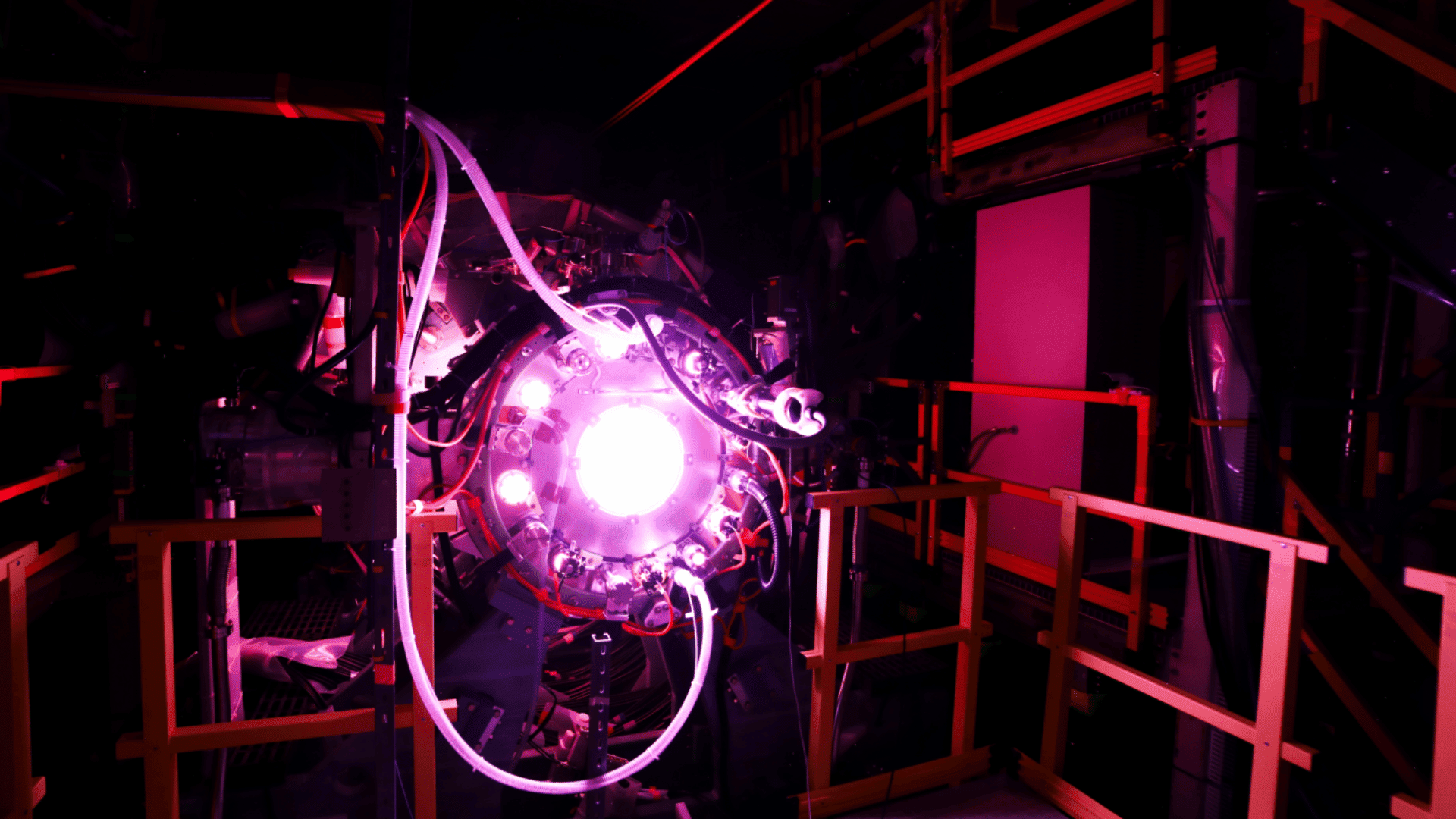
Helion’s strategy is to build, test, and improve as fast as possible. Polaris is also the company’s seventh prototype. By hitting 150 million degrees, it blew past the company’s previous record of 100 million degrees, which is generally considered a “must-have” temperature for a commercial fusion plant.
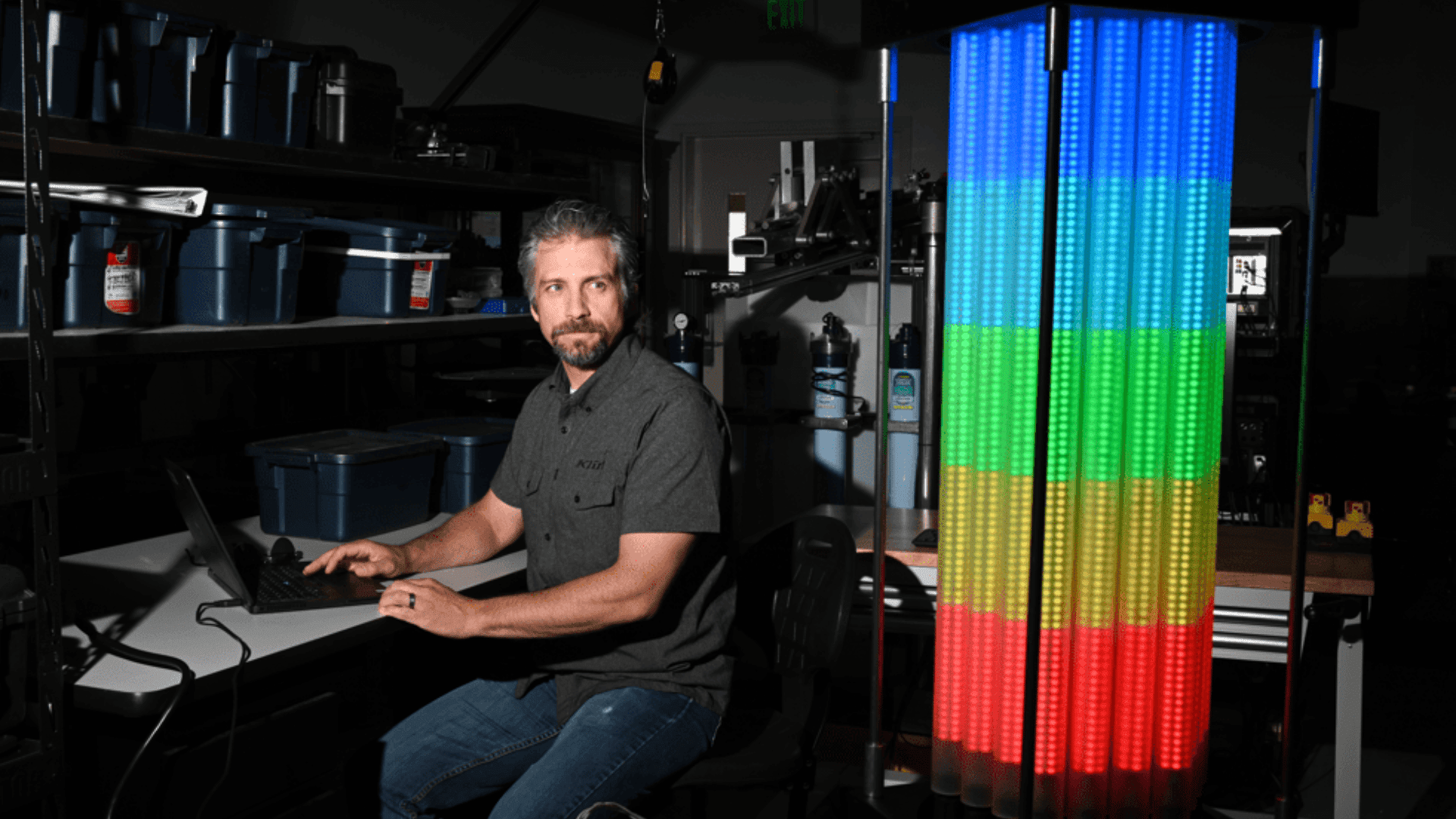
“We believe the surest path to commercializing fusion is building, learning and iterating as quickly as possible,” says David Kirtley, co-founder and CEO of Helion. “We’ve built and operated seven prototypes, setting and exceeding more ambitious technical and engineering goals each time.”
“The historic results from our deuterium-tritium testing campaign on Polaris validate our approach to developing high power fusion and the excellence of our engineering,” Kirtley added.
The company was also the first to get regulatory approval to use tritium for these tests. This helps prove their tech can handle different types of fuel before using a mix of deuterium and helium-3 for commercial power.
Helping the Grid Out
Experts are taking notice because of how quickly the tech is advancing. Jean Paul Allain from the Department of Energy’s Office of Science noted that seeing record-setting temperatures and gains from the fuel mix shows “strong progress.”
Last summer, Helion started building “Orion” in Malaga, Washington. This will be their first commercial machine, with Microsoft in line as the first customer. The goal is to eventually put fusion energy directly onto the power grid.
Company officials state that there is still some work to do for their final fuel plan, but the results suggest that the engineering holds up. “I continue to see the technology scaling and Helion’s plasma energy recovery enabling this technology for commercial scale,” said Dr. Alan Hoffman, an expert in the field.