Farming just got a lot smarter. Seattle-based Carbon Robotics recently introduced what they call a Large Plant Model (LPM), which is like a massive AI brain built specifically to recognize plants.
The company has spent years collecting data, and this new model is trained on 150 million labeled plants. Because it has seen so many different crops, weeds, and soil types from all over the world, it doesn’t need much training to get to work. Farmers can now drop a laser-weeding robot into a field and have it identify plants correctly in just a few minutes.
Learning Crops on the Fly
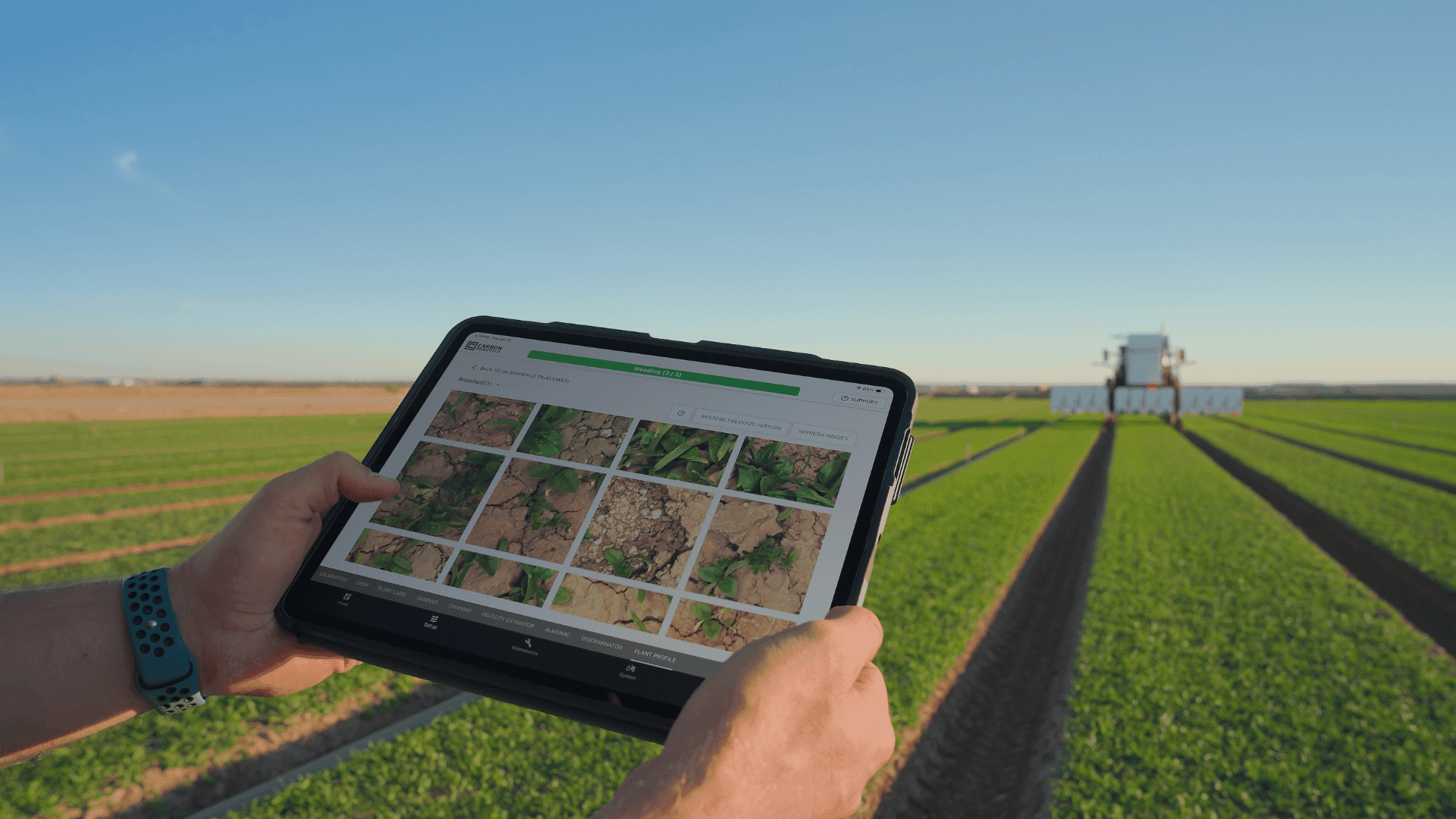
In the past, AI systems for farming gave farmers a bit of trouble. For example, they often required weeks of data collection and “teaching” before they could tell the difference between a sprout and a weed in a specific field. However, Carbon Robotics is simplifying those bottlenecks with a feature called Plant Profiles.
If the robot is having trouble with a specific patch of weeds, the farmer just picks out two or three images on an iPad app. The system learns from those pictures almost instantly and adjusts how the lasers fire. It’s a fast way to handle the unpredictable nature of outdoor work.
Advertisement
“When our robots can understand any plant in any field immediately and adapt behavior in real-time, farmers immediately get maximum value from the machines,” said Paul Mikesell, Founder and CEO of Carbon Robotics. “The Large Plant Model provides farmers with the most advanced AI technology to maximize the weeding quality of LaserWeeder in their unique environments.”
Results in the Field
This tech is already being used in places like Bland Farms to help manage onion crops. For farmers, this is about finding a way to grow food without relying so heavily on expensive manual labor or chemical herbicides.
“We use plant profiles in our Vidalia Onion seed beds, transplants, and direct-seeded onions,” said David Faircloth, a Farm Manager at Bland Farms. “This has been a game changer for us and the simple, user-friendly platform allows our operators to maximize LaserWeeder performance in real-time in the field.”
As more of these robots head into the fields, the AI actually gets better. Every time a machine operates, it gathers more data, which helps the entire fleet improve.
 Read Exclusive Stories
 Bookmark & Save Articles For Later