The U.K. recently checked off a box on its long-term to-do list for nuclear waste. For the first time in the U.K., the Nuclear Decommissioning Authority has processed a can of historic plutonium residue into a stable and solid form. This breakthrough marks a significant turning point for the nation, and potentially the globe, in how plutonium is managed.
This first-of-its-kind achievement took place at the Sellafield site in Cumbria. Processing a can might seem like a small accomplishment, but it represents a multi-decade mission to secure the U.K.’s nuclear history.
Old Tech, New Techniques
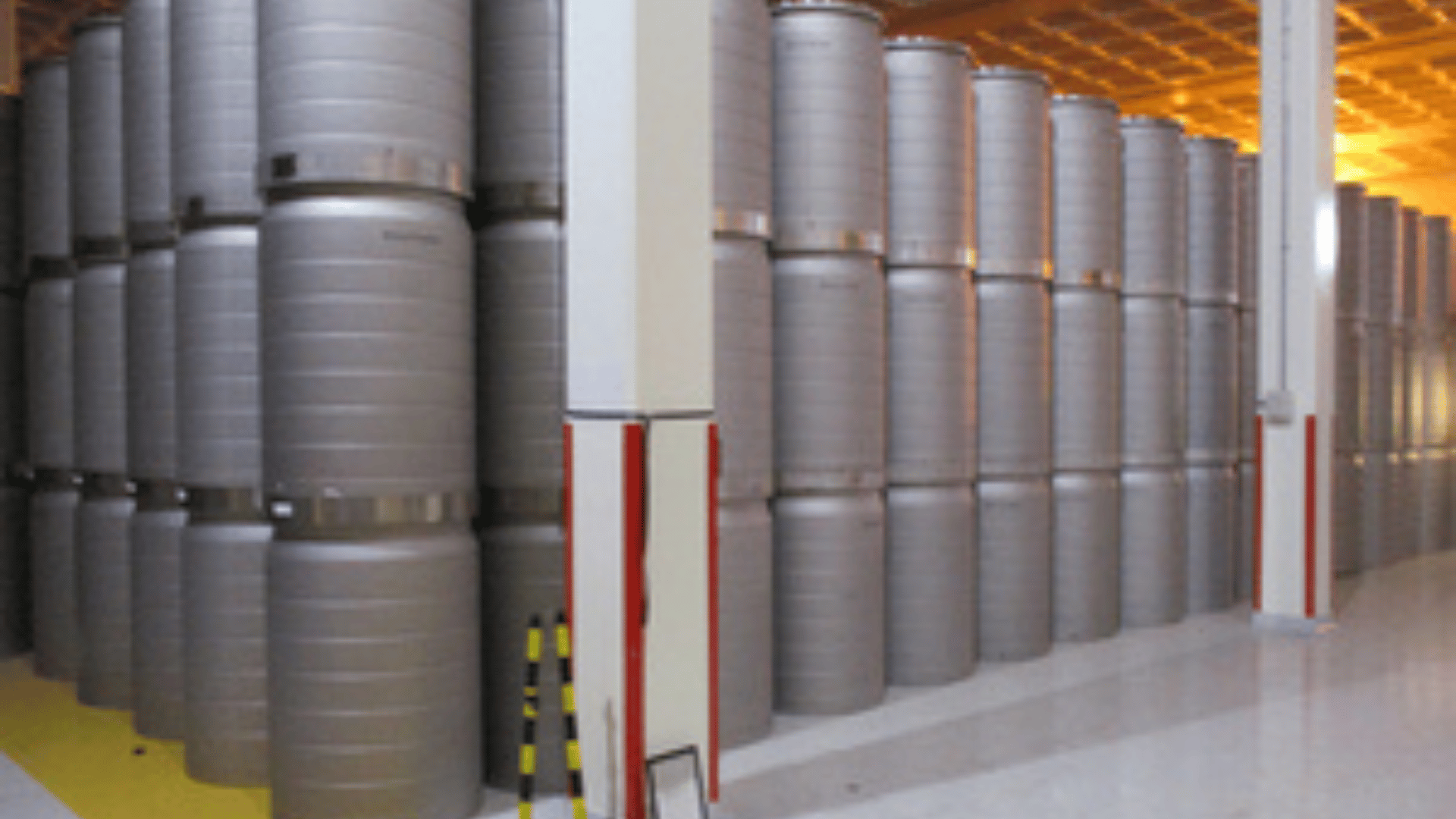
Since the mid-20th century, Sellafield has been the engine room of the U.K.’s nuclear industry. During the Cold War, it served as a hub for plutonium production. It later transitioned into commercial fuel reprocessing. Decades of innovation left behind puzzling by-products of the early manufacturing days.
The NDA has worked for over two decades to solve this puzzle. This recent success is particularly important and a win for residents because they didn’t have to build a big, expensive new factory to do it. Instead, the team of engineers repurposed existing facilities that have been in operation since the 1980s.
Scientists Put Hazardous Waste Beyond Reach
Advertisement
Why go through the trouble of changing the material’s form? Well, in its raw, powdered state, plutonium requires intense security and constant monitoring. By immobilizing it in a stable, glass-like state, scientists put the material “beyond reach.”
Once it’s in a stable form, the waste is easier to handle. Eventually, it will go to a Geological Disposal Facility (GDF). These facilities are underground repositories designed to keep the environment safe for thousands of years. Moving the policy to a successful “proof of concept” in only a year shows the specialist’s expertise.
“This mission will span generations, ensuring that the remnants of the atomic age are rendered inert and safe for the future,” said David Peattie, NDA Group CEO.
2025 and Beyond
This first run focused on about 400 cans of residue, but the future is much wider. In early 2025, the UK government raised the stakes, tasking the NDA with immobilizing the country’s entire civil plutonium inventory.
To ensure that the job gets done, a £154 million ($205.8 million) investment has been allocated over the next five years. This isn’t just about cleaning up; it’s an economic and technological engine that is expected to spark innovation, boost the region, and set a global standard.
 Read Exclusive Stories
 Bookmark & Save Articles For Later