During a flight test, a massive new aircraft just changed the conversation about electric flying. AutoFlight recently showed off Matrix, a 5-ton electric vertical take-off and landing (eVTOL) craft. It is the first time a vehicle this size has successfully moved from a vertical takeoff into a full cruise and back down for a vertical landing.
While most electric “air taxis” we see are small and built for short hops across a city, Matrix is a different beast. It has a wingspan of over 65 feet (20 meters) and can weigh up to 12566 lbs (5,700kg) at takeoff. That makes it more of a regional workhorse than a simple commuter pod.
Heavy Lifting eVTOL
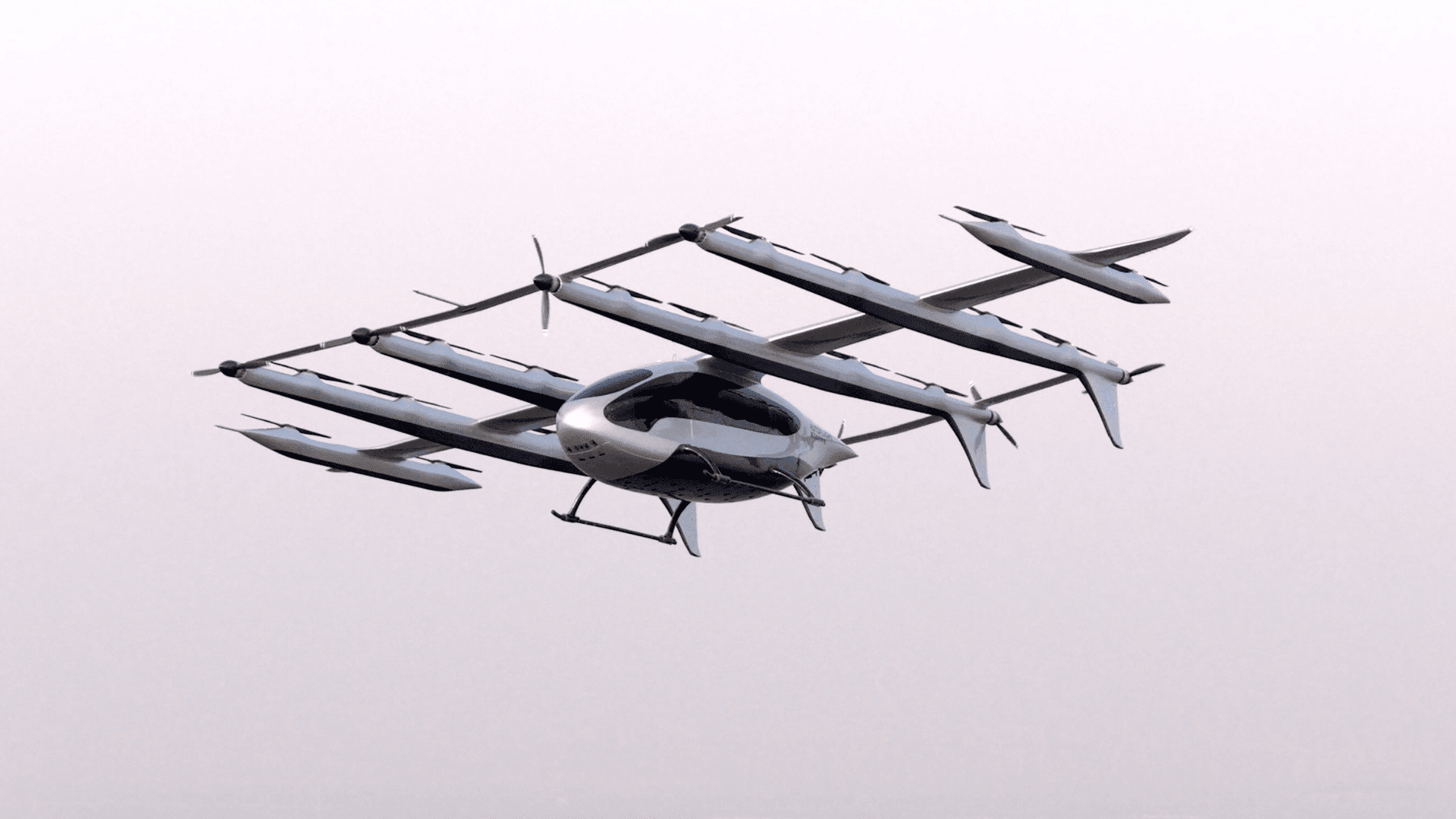
AutoFlight is planning two versions of the aircraft. For people, the cabin is surprisingly roomy. You can fit 10 business-class seats in there, or if you want something more exclusive, six VIP seats.
For those moving freight, the cargo version uses a hybrid power system. It can carry up to 3,300 lbs (1,500kg) and has a large front door that fits two standard air cargo containers. This is a big deal for logistics because it handles the kind of weight usually reserved for traditional planes, but with the flexibility of a helicopter.
Advertisement
Rethinking Flight
The tech behind Matrix is what makes these numbers possible. It uses a “Lift and Cruise” setup with a triplane layout and a six-arm structure. This design keeps it steady whether it’s hovering or flying forward.
The battery life is also worth noting. The pure electric version can fly 155 miles (250km), but the hybrid version can go as far as 930 miles (1,500km). That range opens up a lot of possibilities for travel between cities or emergency response missions.
“Matrix is not only a rising star in the aviation industry but also an ambitious industry disruptor. It will break the industry perception that eVTOL = short-haul, low-load, and will reshape the rules of eVTOL routes,” said AutoFlight’s CEO and Founder, Tian Yu.
“Through economies of scale, it significantly reduces transportation costs per seat-kilometer and ton-kilometer, revolutionizing costs and embracing profitability,” Yu added. “It covers all scenarios from urban commuting to intercity feeder routes, driving the expansion of the entire low-altitude ecosystem.”