
Scientists are warning that by 2050, we could lose nearly half of the species on Earth. It is a massive problem that affects everything from the economy to our own well-being. To fight back, the UAE just announced a major partnership with Colossal Biosciences. They are building what is essentially a “backup plan” for life on our planet.
At the center of this project is the Colossal BioVault and World Preservation Lab. It will be a permanent part of Dubai’s Museum of the Future. Instead of just looking at exhibits, visitors will see scientists working in real-time, sequencing DNA and freezing cell lines from threatened animals.
A Modern-Day Noah’s Ark For Endangered Species
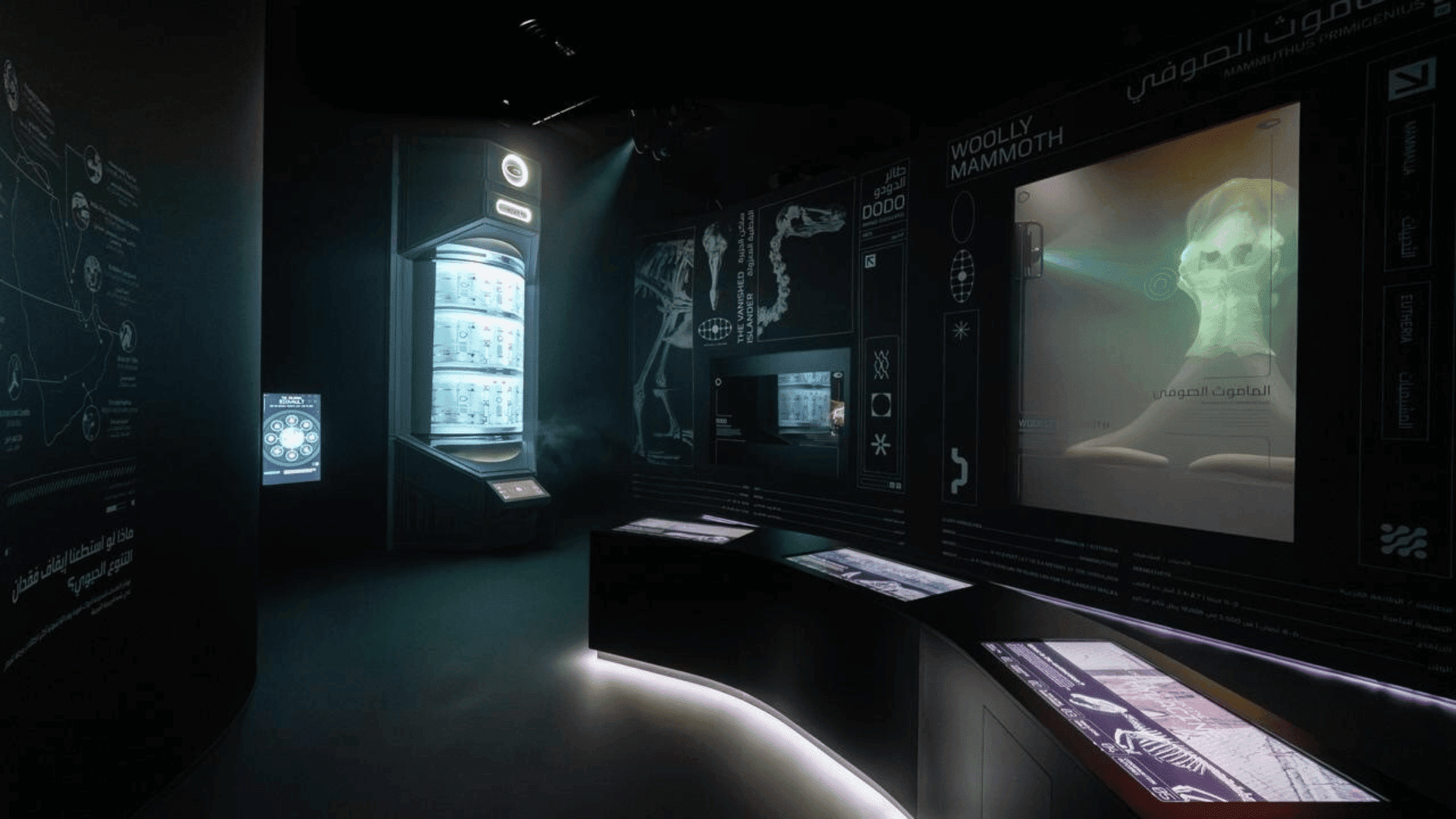
The BioVault is designed to be a massive, high-tech library for genetic material. It will eventually house samples from over 10,000 species. To start, the team is focusing on the 100 most endangered species that haven’t been stored anywhere else yet.
“The UAE’s deep commitment to innovation, conservation and technological advancement is truly inspiring,” said Ben Lamm, Co-Founder and CEO of Colossal Biosciences. “Through this visionary partnership, Colossal has the opportunity to expand into a critical region and advance our mission on a global scale.”
“We are losing species at an alarming rate, and the world urgently needs a distributed network of global BioVaults—a true backup plan for life on Earth,” he added. “Thanks to the visionary leadership of the UAE, Colossal is now creating the world’s first Colossal BioVault: an unprecedented global resource, a modern-day Noah’s Ark for protecting and restoring life on our planet.”
Science You Can See
The lab uses automated robotics and new cryopreservation tools to keep these samples safe. But it isn’t just a storage unit. The project will share its data openly with scientists around the world to help everyone understand how to better protect these animals.
“I believe the future belongs to those who harness technology and innovation to address our greatest challenges,” said Majed Al Mansoori, Executive Director of the Museum of the Future. “By working with Colossal Biosciences, leaders in synthetic biology and conservation, we are taking a bold step to advance science that safeguards our planet, restores ecosystems, and builds a sustainable legacy for future generations.”
The reason they’ve picked exactly 100 to start is about focus. By creating high-quality “reference genomes” (essentially a perfect digital map of their DNA), scientists can track how much genetic diversity is left in a wild population. This helps them decide which individual animals need the most protection to keep the species healthy.
The hope is that this facility in Dubai will be the first of many, creating a global network that ensures no species is ever truly lost forever.