
Agriculture is a significant contributor to climate change, but specialized software solutions are helping farmers reduce their carbon footprint while meeting growing food production demands in an increasingly digital age.
The Digital Agriculture Revolution
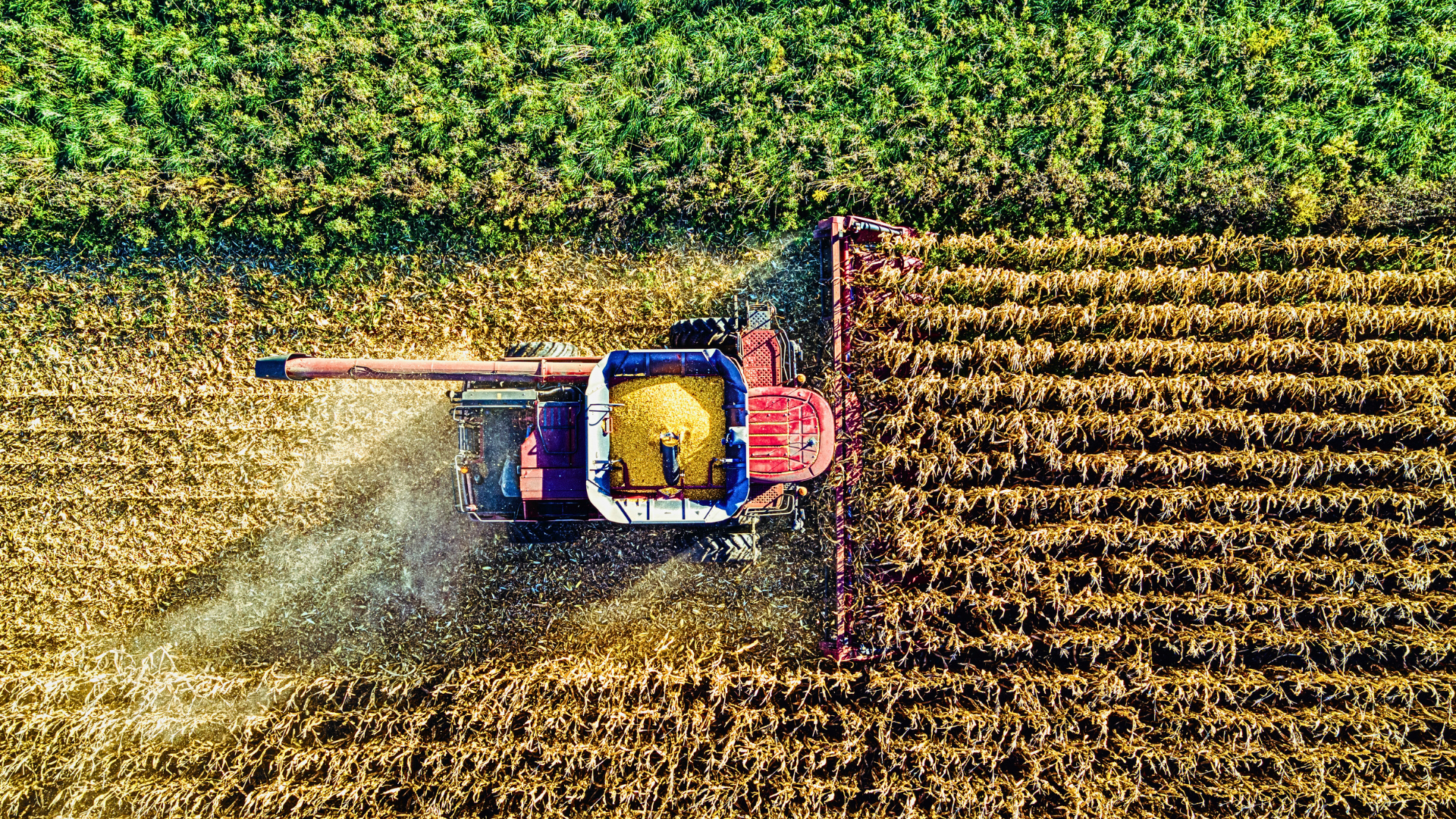
Farm management software has transformed modern agriculture. These platforms go beyond basic tracking and recording—they integrate AI, IoT sensors, and satellite imagery to provide real-time operational insights. Today’s systems seamlessly connect with multiple digital tools, enabling farmers to manage their entire operation from a single platform.
The urgency is clear: the global population is projected to reach 10.2 billion by 2060, creating unprecedented food demands. With over 33.8 million Americans already food insecure, manual farming methods can no longer meet these expectations. Software-driven automation has become essential for sustainable food production.
Key Technologies Transforming Farming
- Real-Time Data for Better Decisions – Instead of relying solely on intuition, farmers now leverage data from soil sensors and satellite imagery to make informed decisions about fertilization, irrigation, and pest control. This continuous monitoring enables precise, responsive farm management.
- Precision Agriculture – Advanced AI algorithms process vast datasets to optimize every input. These systems tell farmers exactly what nutrients to apply for maximum yields or how much water each plant needs to prevent waste. The precision agriculture market is poised to exceed $43.6 billion by 2034, reflecting widespread industry adoption.
- Autonomous Field Operations – Drones now automate labor-intensive tasks like crop watering and field monitoring. Equipped with thermal cameras, they provide comprehensive oversight without requiring farmers to physically traverse large properties. This technology also reduces carbon emissions by eliminating the need for fossil-fuel-powered vehicles across farmlands.
- Climate-Adaptive Forecasting – As unpredictable weather events driven by anthropogenic climate change become more frequent, AI-powered forecasting systems have become crucial. These platforms pull real-time data from multiple meteorological sources, analyzing patterns to predict weather events with increasing accuracy.
- Smart Water Management – Food production requires approximately 2,000 liters of water to produce one person’s daily food needs, an unsustainable consumption rate. Smart irrigation systems can reduce water use by 15-40% by optimizing schedules based on weather predictions and real-time soil moisture data, delivering substantial conservation benefits.
Building Climate-Neutral Agriculture
Modern software solutions are already helping farmers implement eco-conscious practices including water conservation, reduced fossil fuel dependence, and waste minimization. As these systems evolve, their role in addressing agriculture’s climate challenges will only expand, supporting the transition toward net-zero farming operations.
The Future of Sustainable Farming
Field management software has fundamentally transformed agriculture, integrating communication, real-time monitoring, weather analytics, and climate resilience into unified platforms. As farmers face mounting pressure to feed growing populations sustainably, these digital solutions are no longer optional—they’re essential for ensuring a thriving, climate-conscious agricultural industry.
Guest Writer: Grace Waters from environment.co