
To prevent fire hazards, experts at The Morton Arboretum recommend disposing of live Christmas trees as soon as they show signs of drying out, such as brittle branches or excessive needle loss. Proper disposal methods include recycling bare trees through local municipal programs for mulch, repurposing branches to insulate garden beds, or placing the tree in a backyard to provide winter shelter for wildlife.
5 Expert Tips for Live Christmas Tree Disposal
LISLE, Ill. (Dec. 17, 2025) — Fresh Christmas trees don’t last forever, and the tree care experts at The Morton Arboretum recommend planning ahead for proper disposal once it’s time to take them down.
“To prevent a fire hazard, it is crucial to safely and appropriately dispose of your evergreen tree as soon as it shows signs of drying out, which can include needles dropping in droves, brittle branches, and no water uptake by the tree,” said Plant Knowledge Specialist Sharon Yiesla.
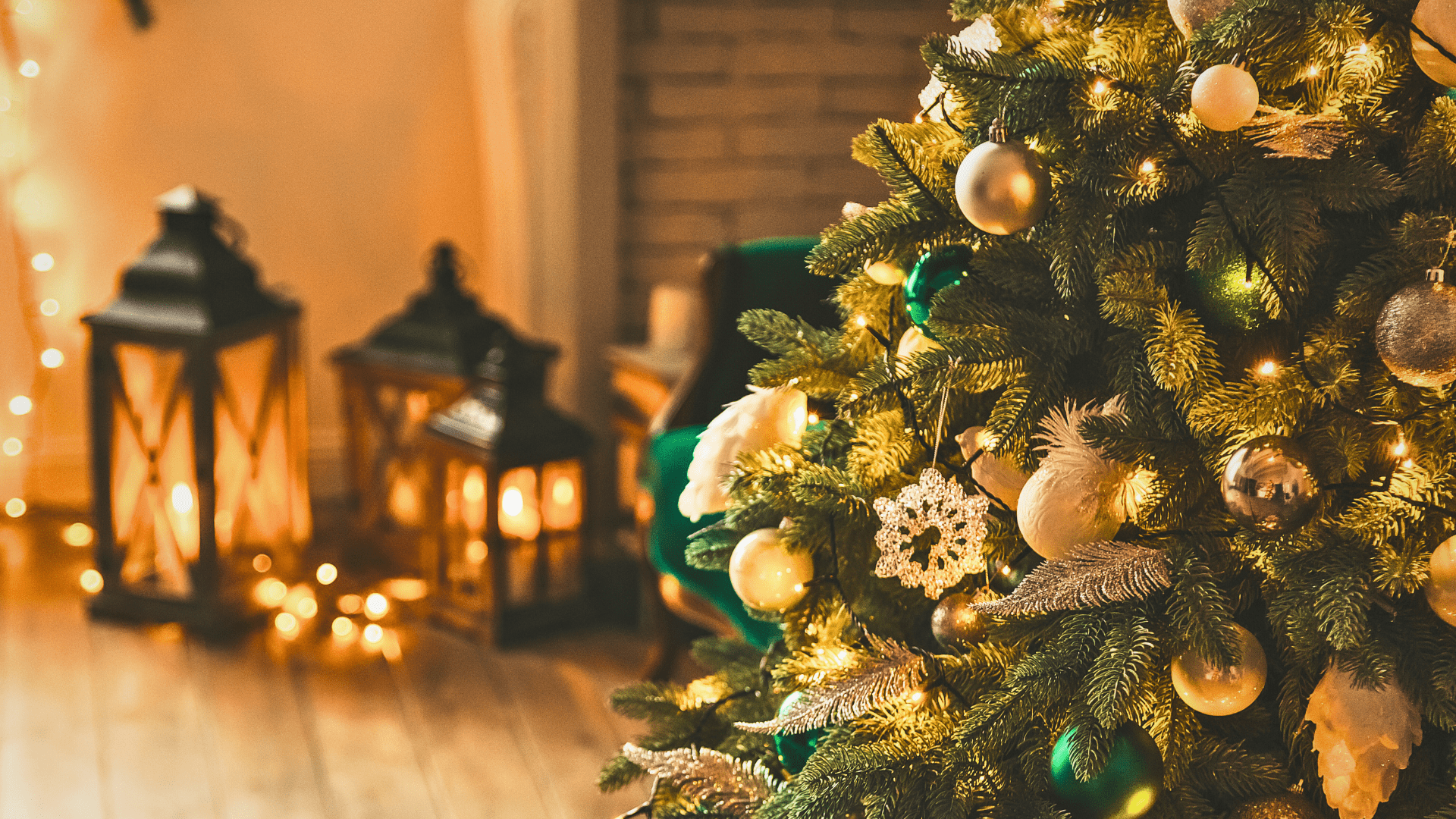
The Arboretum’s Plant Clinic provides free advice by phone and email for those with questions about how to care for trees and plants, including live Christmas trees. Yiesla offers these recommendations for proper tree disposal:
- Prevent fire hazards. Dispose of a tree once it shows signs of drying out to prevent it from becoming a fire hazard. When the tree is drying out, needles will become brittle and many will start falling off, branches will also become brittle, and the tree will no longer take up water. Yiesla cautioned against burning an evergreen tree in a fireplace or woodstove, as doing so can cause buildup that increases the chances of a chimney fire.
-
Recycle. Bare evergreen trees can be recycled at participating facilities. Check with local municipalities or waste management companies about tree recycling or disposal arrangements, including whether trees will be picked up at a certain time and location or should be dropped off at a recycling site. Recycled trees are chipped into mulch or compost. Some municipalities offer the option to take home the fine-smelling mulch for gardening.
-
Clear the branches. “Only the tree itself can be recycled,” Yielsa said. “Remove all decorations, and if using a plastic tree bag to transport the tree to a recycling location, take it off outside.” If not fully bare, a tree will go to a landfill rather than being recycled. Flocked trees—those covered in white synthetic powder imitating snow—can’t be recycled. They must be thrown away in regular trash. Anything containing wire, like live garlands or wreaths, can damage a facility’s shredding machinery and should also be discarded in the trash.
-
Consider the garden. People can lay branches cut from their live Christmas tree over their garden beds to protect plants. Doing so insulates the soil so it won’t heat up during winter warm spells and cause plants to emerge prematurely from dormancy. This is most useful in full-sun garden beds. Remove the branches in the spring, when it is normally expected to see early spring flowers and bulbs emerging.
- Shelter wildlife. “If space permits and neighbors don’t mind, leave the tree in your backyard as a windbreak for birds and wildlife during winter,” Yiesla said. “In spring, cut up the tree and dispose of it through your municipality’s landscape waste disposal program.” Private property owners with a pond in their yard could also place the tree trunk in the water to provide a hideout for fish.
The Morton Arboretum Plant Clinic is generously sponsored by Bartlett Tree Experts.
Source: The Morton Arboretum
This press release is provided for informational purposes only. TomorrowsWorldToday.com is not responsible for the content, terms, or administration of The Morton Arboretum’s promotions. Please refer to The Morton Arboretum for the most accurate and up-to-date information. Tomorrow’s World Today may receive an affiliate commission if you purchase an independently reviewed product or service through a link on our website.