
SpaceX recently announced its intention to set its sights on a moon settlement, with its plans to settle on Mars now taking a backseat. After more than a decade of establishing settlement plans on Mars, the firm recently stated its plans to build “a self-growing city on the Moon.” Their shift in focus is based on timeframe, as a moon settlement could be achieved in less than a decade, compared with the more than 20 years it would take to achieve a similar plan on Mars.
New Moon Mission
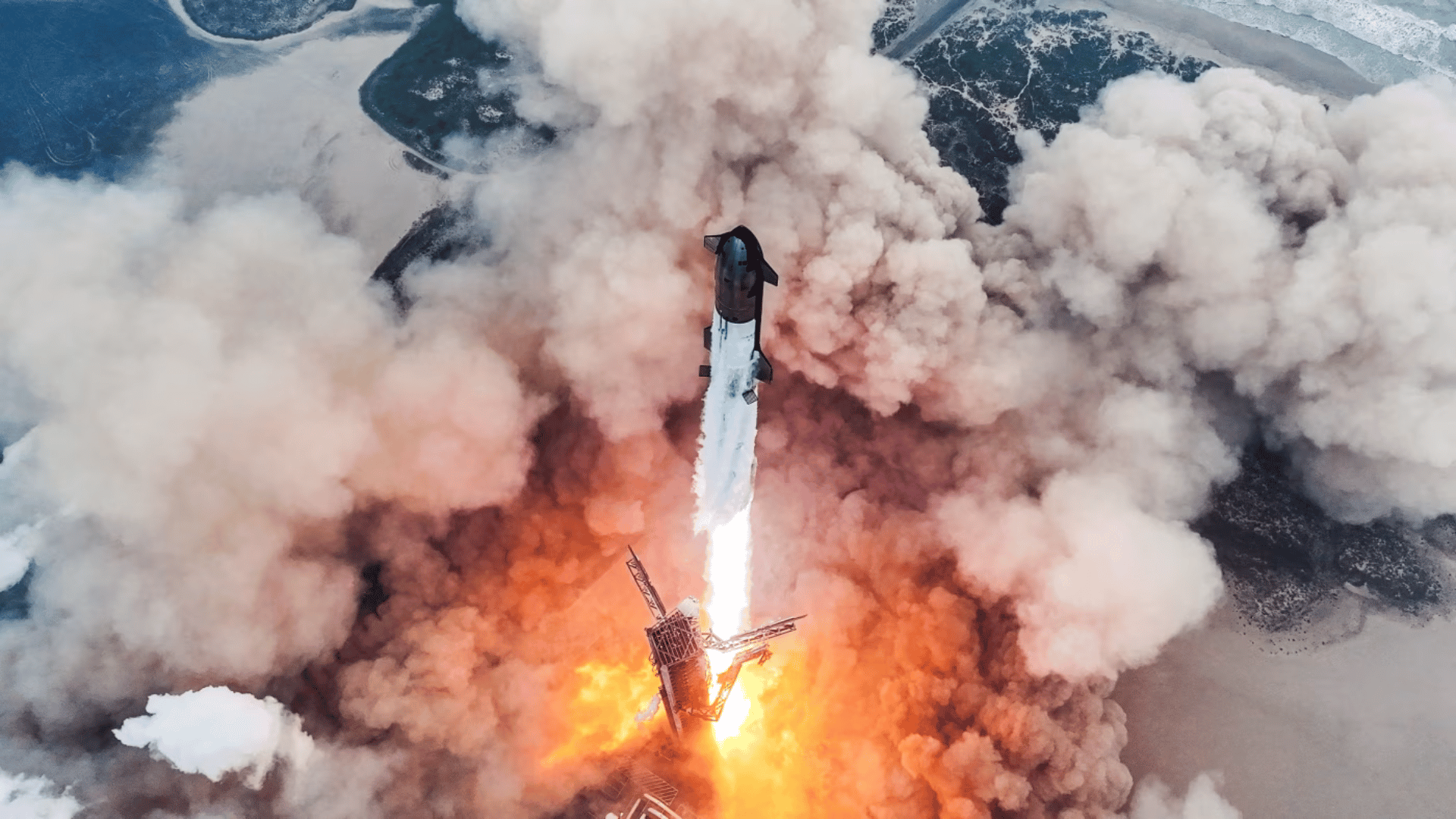
“The overriding priority is securing the future of civilization and the Moon is faster,” Elon Musk stated on X. “It is only possible to travel to Mars when the planets align every 26 months (six month trip time), whereas we can launch to the Moon every 10 days (2 day trip time).”
NASA has proposed a similar lunar plan, though it’s currently unclear if SpaceX’s plan is similar. NASA is planning to return astronauts to the lunar surface by 2028, which will mark the first time humans have been to the moon since the Apollo program ended in 1972.
Musk stated that the company still remains committed to building a Mars city as well, but it will begin doing so in approximately five to seven years.
“Musk’s ultimate goal is to get civilization to Mars. It’s going to be very expensive, and as a soon-to-be public company, SpaceX needs to appease shareholders,” said Justus Parmar, CEO of Fortuna Investments, a venture capital firm invested in SpaceX.
“Setting up operations on the lunar surface will provide a quicker return on revenue, so it’s a natural step on the way to a more expensive and heavier R&D project to get to Mars,” Parmar added.
Musk’s trimming of his previous space travel predictions came after SpaceX acquired XAI last week. It also came just as NASA is gearing up to launch its first crewed mission of the Artemis program, called Artemis II.
This mission plans to launch four astronauts on a trip that will circumnavigate the moon but will not land on it, serving as a pathfinder for the more complex Artemis III landing mission. Artemis II is scheduled to launch as early as March.