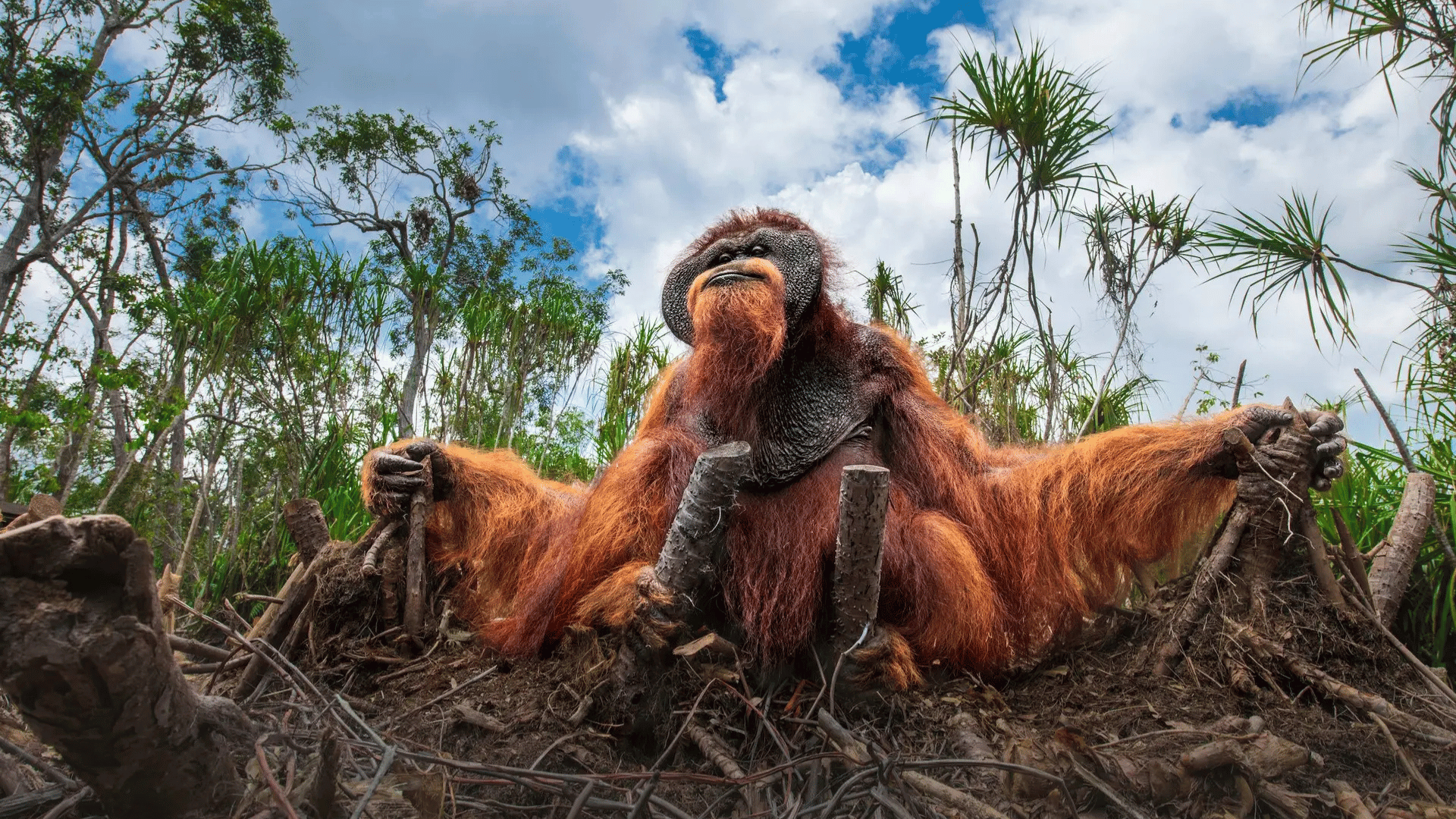
At the heart of each Christina Selby photograph lies a story, shaped by a passion for connection and conservation. In our conversation with the award-winning nature photographer, writer, and botanical artist, Selby reflects on the joy of seeing her images spark memories in others, the evolution of her craft from single frames to immersive visual narratives, and how her camera has become an extension of herself.
Tomorrow’s World Today (TWT): What brings you the most joy when people see your work, and why?
Christina Selby (CS): I just had an exhibit, so I really enjoy people looking at my work [in person]. What I love is when they see something, and it reminds them of a story. They start telling me a story of the time that they hiked here, and they had this experience or this moment with their grandfather when they were young in nature.
It just reminds me that people love nature. It’s our innate way of being to be connected to this amazing world that we’re in. Just that reminder that I’m not the only one. People are having wonderful experiences themselves. And then sometimes people will appreciate the fact that I’m using my work to support conservation, and they’ll thank me for that, and we connect on those issues at the same time. That’s where I get the richness of putting my work out there.
TWT: How has your work evolved over time? What are your goals for the future?
CS: As my skills have progressed, the camera has become just another appendage at this point, so I’m not always having to think about the technical aspect. I think my work reflects that comfortability. Also, I’ve [gone from] making just single images to making stories in multiple images, telling the story of a place or an ecosystem or a species. Using macro, landscape, and sometimes drone photography, using all of the tools available to us to tell that story. I still love to tell a story in one image, but I think there’s a lot of power in a series that I’ve been working on. That’s what we do for magazine publications.
I’m always looking for that next incredible experience that I might be able to capture. Always looking to improve my skills, always looking at other people’s work just to see what they’re doing and how that might inspire me. I continue to go to classes, workshops for photography to learn new things, and things change very quickly these days. Not all of it interests me, but I want to keep growing as a creative person.
In the future, I have various long-term projects that are at the really beginning research stage, and so I’m digging into those and seeing what comes about. I’m really interested in the Southwest, and I’ve become interested in other parts of the world that have similar conservation efforts going on and making comparisons, and what we can learn from each other between the two. I’m going to do some traveling to Southeast Asia and look at the work going on in their forests with conservation and post-wildfire restoration, which can really inform what’s going on here. How different cultures are learning about these things and applying them, and then bringing that knowledge back here for us is what I’m interested in right now.
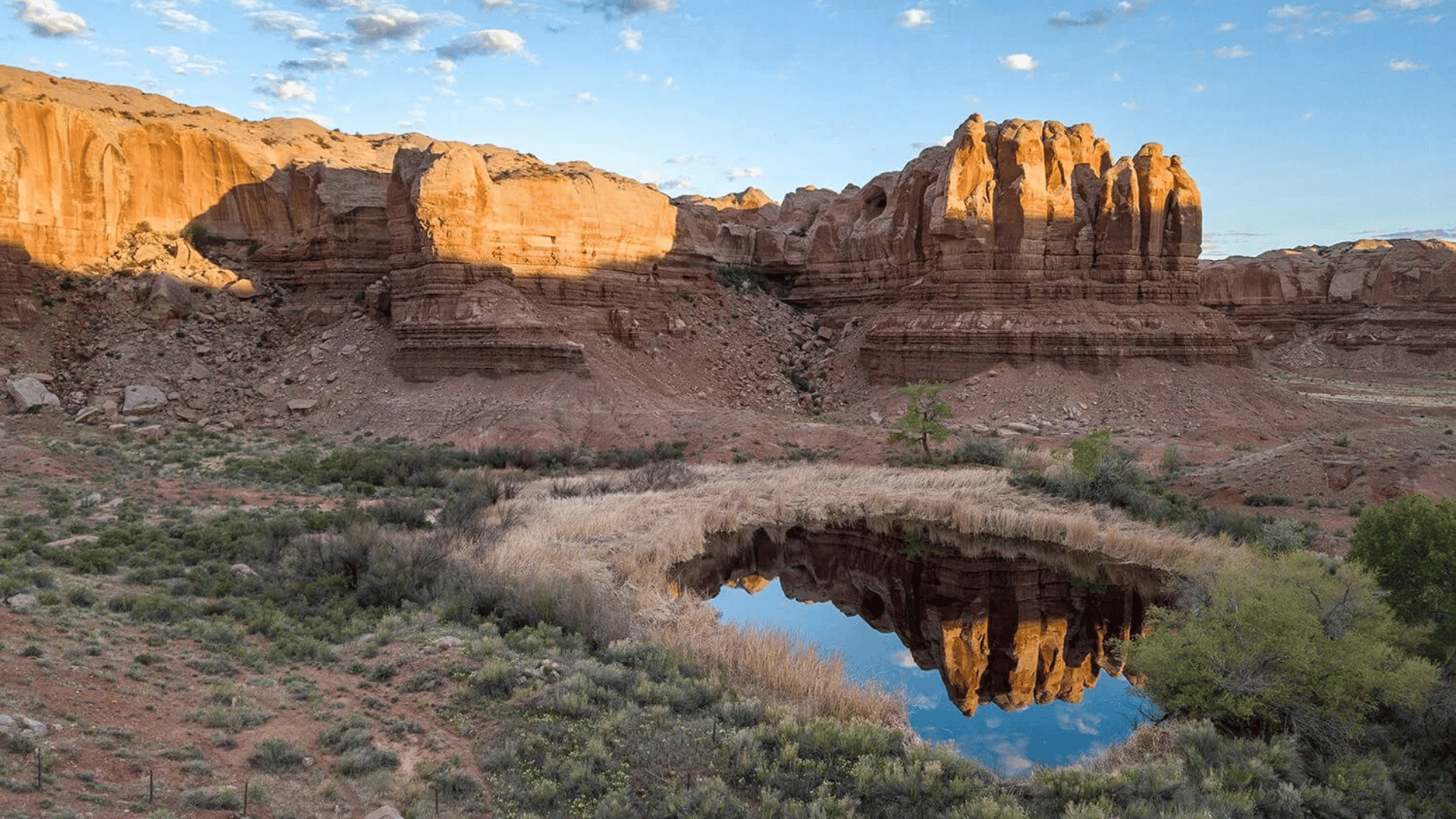
TWT: What type of gear and/or tips would you recommend for anyone planning to hike or spend extended time in nature?
CS: I generally recommend investing in good-quality gear so that you can travel lightly and with minimal things that you need. Because I’m trying to pack camera gear and outdoor gear in the same bag and not overwhelm myself and be able to go long distances, I’m really looking for things that are lightweight, that serve multiple purposes.
So a really good windbreaker/rain jacket, an extra really warm but light layer all the time, because I’m in the mountains, and that’s important no matter what time of year it is. Really good shoes that are well broken in. I always have high-tops because I tend to twist my ankles on these high mountain trails, and that is no fun to be six miles in and have a bum ankle. So good shoes that support the ankles. A small first aid kit and know how to use it.
Advertisement
I do recommend leaving the phone at home, but maybe having some other form or way [communicating] if you’re going out by yourself. I do a lot of hiking by myself, solo hiking, so I might carry a Zoleo where I can shoot a text message via satellite if I get in trouble. But I try to leave the phone at home just to not be distracted by that. Some really good trail snacks, high protein, lots of water and a water filter, and a really good air mattress that’s lightweight but comfortable if you’re going to be out. As I get older, that’s super important to have a decent, as much as possible, night’s sleep without being too sore in the morning.
TWT: Tell us about your botanical art. What inspired you to start, and how do you make it?
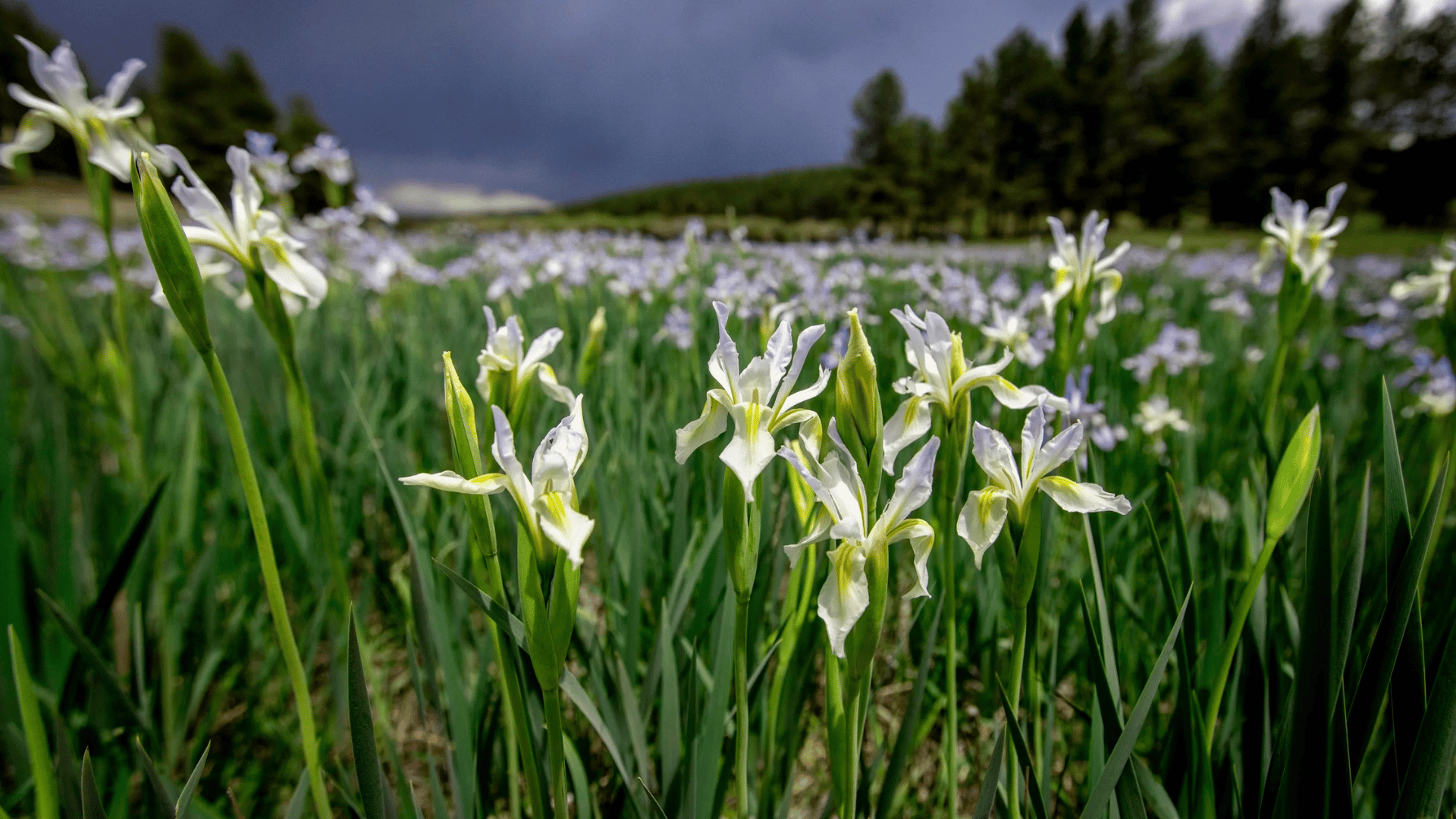
CS: My husband actually gave me my first camera 20 years ago. The reason he did that was because of my love for wildflowers. I was really interested in learning. I saw some friends’ photographs of wildflowers, and I thought, ‘I really want to do that.’ That was the impetus for all my creative endeavors that I’m into now. I think after many years of digital photography and being on the computer a lot, I wanted something tangible that I could do with my hands and touch and feel. As I studied ecology, I had a botany class, and we would press flowers and make these little herbaria. I did that when I was an environmental educator. I still have a plant press from 1998, and I took that out. I’m like, ‘Okay, maybe I could do something with this.’ I collect more abundant flowers up in the mountains here, or I grow them in my garden, and I press them in a way that is informed by how a scientist would do it for a herbarium in a university museum, so they keep their color really well.
Once they’re pressed and dried, I make scientifically inspired botanical art pieces that you could put in a frame and hang on your wall. They have a little label with the common name and the scientific name. I position the plants in a certain way, where it’s more about aesthetics than the plant for a future scientific study. Taking that flower and representing it in another way. I’m hoping that art also just opens the door a little bit to people connecting to the beauty of plants. I often have collections, themed things like wildflowers that are natural companions and grow together. I’m making those into one piece. Or wildflowers that have a special ecological role in their ecosystem. I mount them, glue them with special glue to handmade watercolor paper that I import from India, and then I put those on a colorful mat and look for beautiful frames. It’s very aesthetically pleasing to me. It’s a really fun process. I do some art markets, especially now around the holidays. And again, people will come up and start telling me about their grandmother who pressed the plants. And they find these stacks of books, and there are plants throughout them. It has this nostalgic, romantic connection for families and people.

TWT: Do you have any advice for people who want to learn to press flowers or collect flowers in an ethical way?
CS: There are ethical guidelines around this field of wildcrafting, where we’re collecting things from nature, and a lot of people are making tinctures or other things out of them. Some general rules include never collecting more than 10% of a population. So if there’s 10 flowers, you’re taking one. I’m never collecting anything rare or endangered. I’m trying to be very careful when I’m out there not to trample other flowers while I’m collecting. The whole ‘leave no trace’ principle also applies to this. I’m moving more and more to gathering seeds and growing out more flowers, so I’m not having such an impact on the collecting.
I think if you’re going to do it, it’s good to know your wild flowers, so you’re not accidentally collecting something rare. Make the effort to research, and there are lots of apps that will help you identify things, like iNaturalist and Seek. A lot of the time, they’re accurate about telling you what you’re seeing, so that’s a good resource.
TWT: What advice would you give to aspiring nature photographers?
CS: I would say, follow your passions and what calls your attention in nature rather than some trend or some landscape that you saw on social media, because then a lot of people flock to a certain place they see, and that can have some damage. Just go where your interests are. Don’t worry about what other people are doing. Try to get out of your own way. It’s not about us as the nature photographer. It’s about what we’re photographing and the love of that thing and wanting to bring attention to it so it can be conserved. I think it’s a pretty populated field if you’re trying to do it for a living. But I think if you’re focused on why you’re doing it and the passion that you have and the connection that you have, that can get you a long way. And keep trying to give back, use your work to give back to those subjects and to the things that you love to photograph, and use your images for good.
For more information about Christina Selby and her projects, follow her on Instagram and on christinamselby.com.