A Public Garden Designed for Awe and Learning
The conversation centers on how a public garden can become a living classroom, creative studio, and cultural commons all at once. Dustin Miller of the Dallas Arboretum describes forty years of growth, from two historic estates on White Rock Lake to a show garden that pairs horticultural excellence with data-driven programming. Seasonal displays like Pumpkin Village and Dallas Blooms do more than draw crowds; they set an emotional tone that invites curiosity.
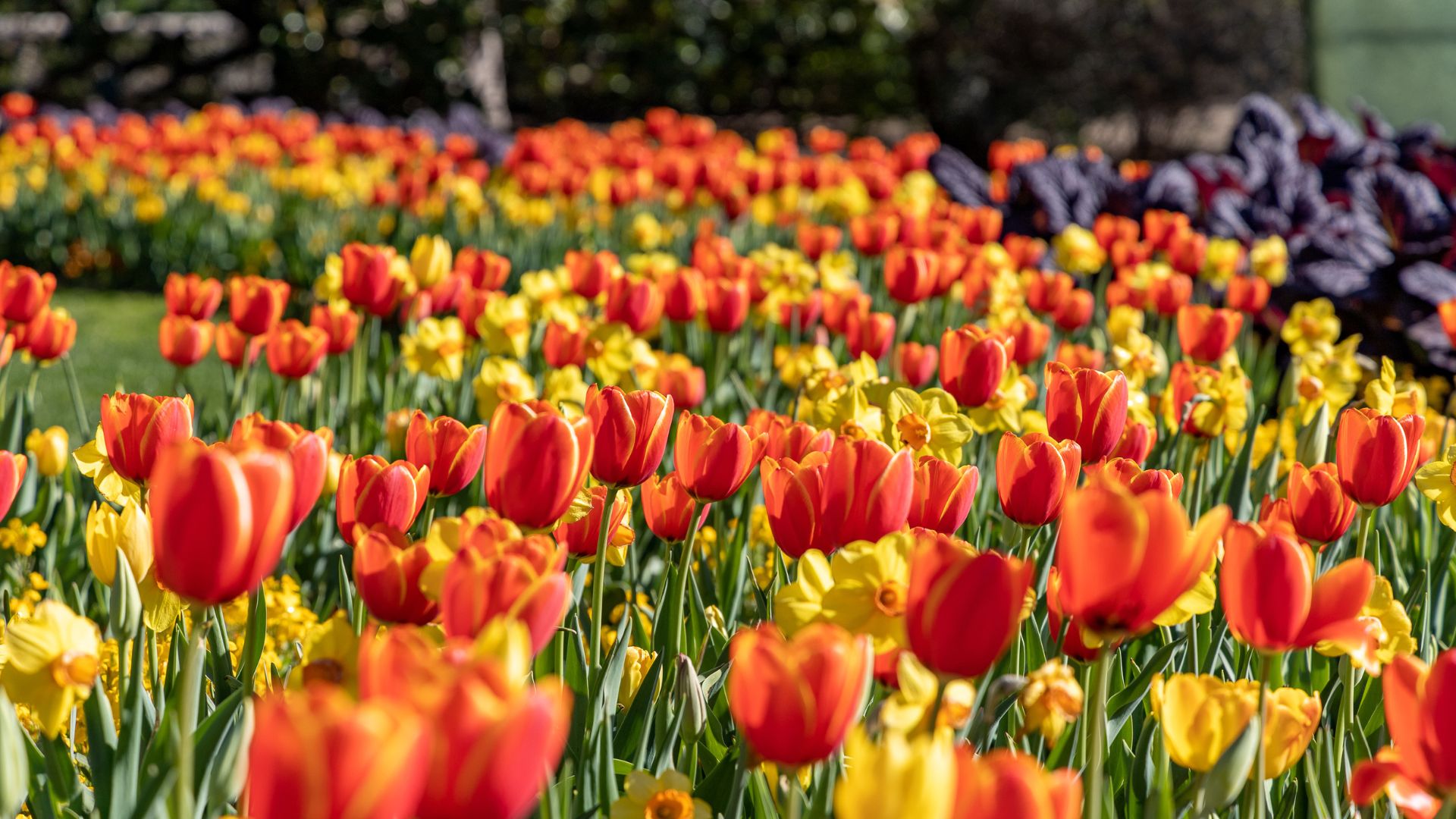
Visitors arrive for spectacle—500,000 tulips, 100,000 pumpkins, nearly two million holiday lights—and leave with practical ideas, from color-blocking bulbs at home to water-wise gardening and eco-friendly pest control. That cycle of awe to action makes the Arboretum a model for place-based learning and community engagement.
Running a Garden Like a Research Lab
Under the surface, the Arboretum operates with the rigor of a research lab. Teams analyze attendance patterns, gather third-party insights, and use cell phone data to understand who visits and why. Brainstorming sessions bring together operations, weddings, horticulture, and education leaders to pressure-test themes and logistics.
Dustin follows the principle of “most advanced yet acceptable,” pushing visitors just beyond their comfort zone while keeping experiences welcoming. This approach extends into the trials program, where growers send candidate cultivars for real-world testing. Three on-site research zones track plant performance across seasons, producing datasets valued by industry professionals and home gardeners alike.
Nature as a Catalyst for Creativity and Sustainability
Equally central is the belief that nature fuels creativity. The team sees it in students encountering their first monarch butterfly, families building wreaths together, and regulars returning for free cooking demos inspired by the Tasteful Place gardens. Classes span cooking, fitness, and art, each grounded in plants, place, and people.
Advertisement
Sustainability is woven throughout. Corn broth made from cobs turns waste into flavor, while lessons on soil health, propagation, and integrated pest management blend tradition with modern practice. Water-smart strategies and pesticide-free children’s gardens show how to scale beauty responsibly in Dallas’s climate.

Building Community Through Culture and Connection
Community partnerships expand the Arboretum’s role as a cultural commons. Quinceañera fashion showcases, Black hair celebrations, Pride and Bloom, and Indigenous dance pop-ups reflect the city’s diversity and invite new audiences to see horticulture as part of daily life and identity.
The grounds also serve as a wellness space, with skyline views and sunsets over White Rock Lake, turning a walk into recovery time. For Dustin, many ideas begin on trail runs, where movement sparks connection-making. That same energy drives the Arboretum’s five-year plan: deepen sustainability, expand plant research access, and keep people, place, and plants at the center.
A Model for Place-Based Learning at Scale
The Dallas Arboretum’s promise is simple but powerful: design awe at scale, translate it into skills, and grow a community of makers, learners, and neighbors along the way.
This blog post was generated using Buzzsprout’s CoHost AI tool and is based directly on content from the associated podcast interview. This article has been reviewed and edited by Tomorrow’s World Today staff.