
Providence Canyon in southwest Georgia is often referred to as “Georgia’s little Grand Canyon.” This network of gorges was created by the erosion of soft, multicolored soil. Providence Canyon features several chasms, plateaus, cliffs, and pinnacles.
The “little Grand Canyon” was identified by the Georgia Department of Natural Resources as one of the state’s “Seven Wonders” and is protected by Providence Canyon State Park. Years of erosion eventually created a beautiful natural spectacle.
Providence Canyon
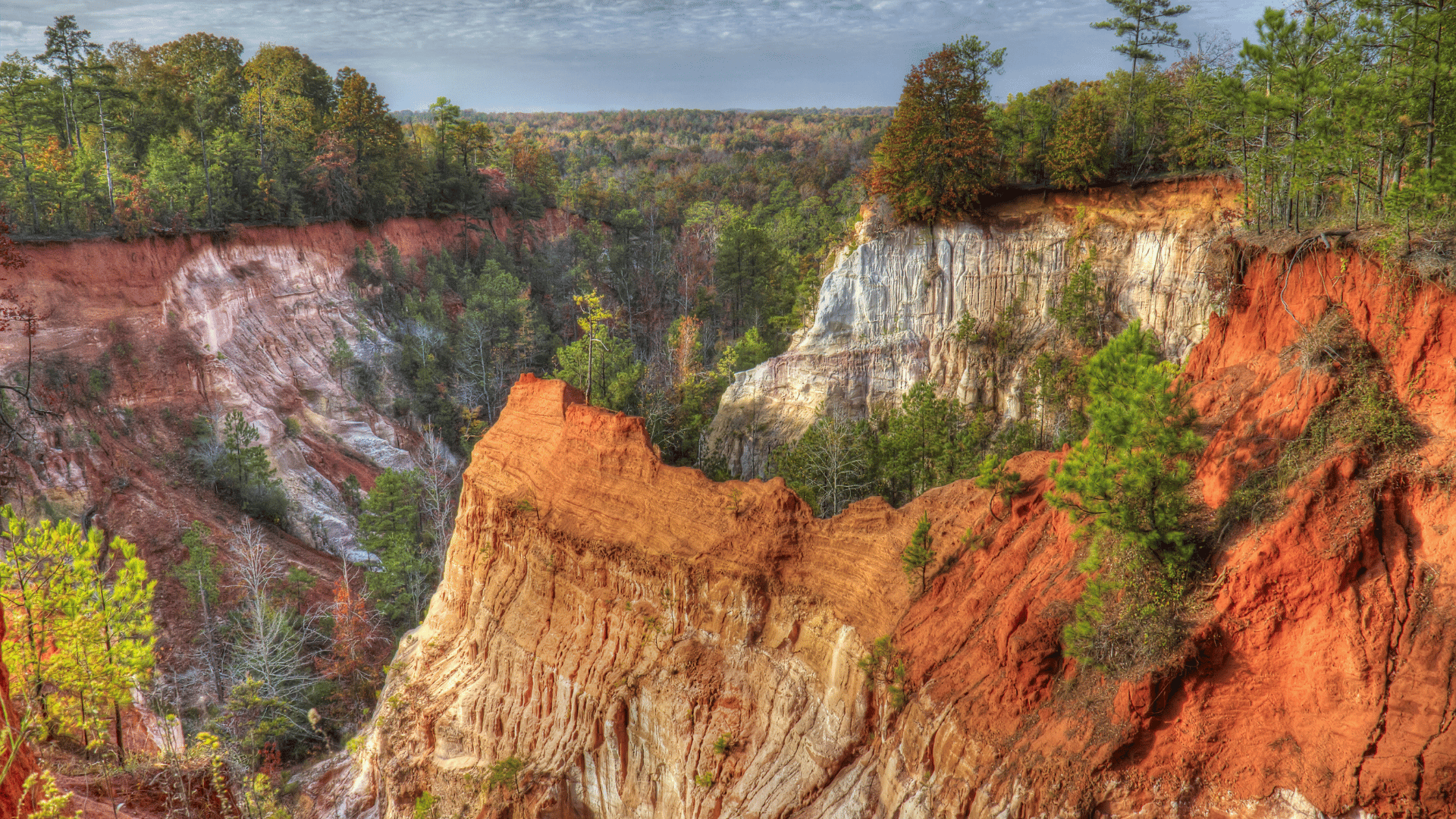
The Providence Canyon State Park is 1,109 acres with 16 canyons, some as deep as 150 feet, that make up the Providence Canyon. Additionally, several overlooks offer visitors views of the canyon’s walls, which feature 43 different colors of sand.
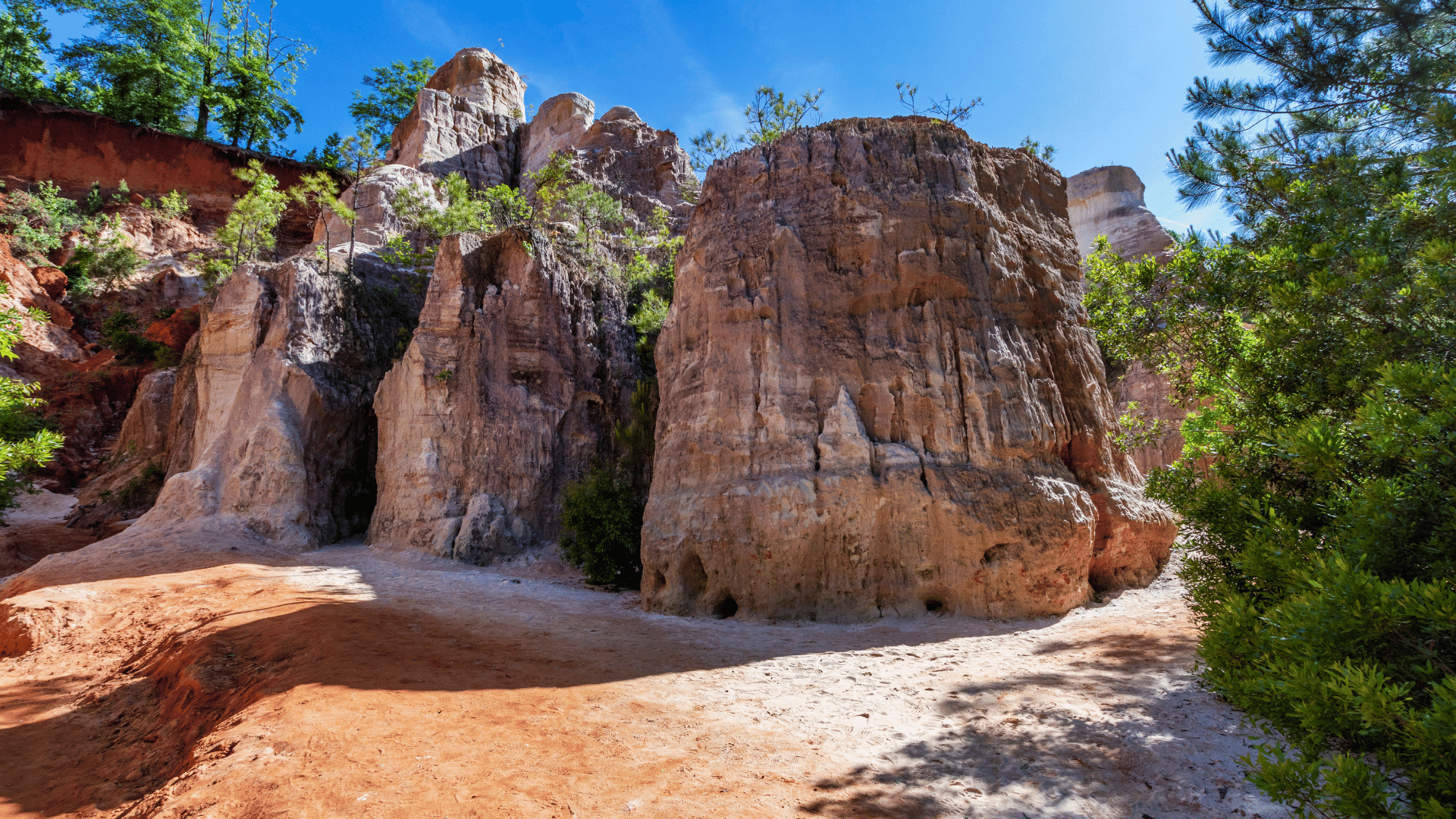
The canyon’s huge gullies were not sculpted by a river or stream, but by rainwater runoff from farm fields, a practice recognized as poor soil management in the early 1800s.
As a result, Providence Canyon now offers stunning views. While it’s on a smaller scale, this unique location resembles the Grand Canyon.
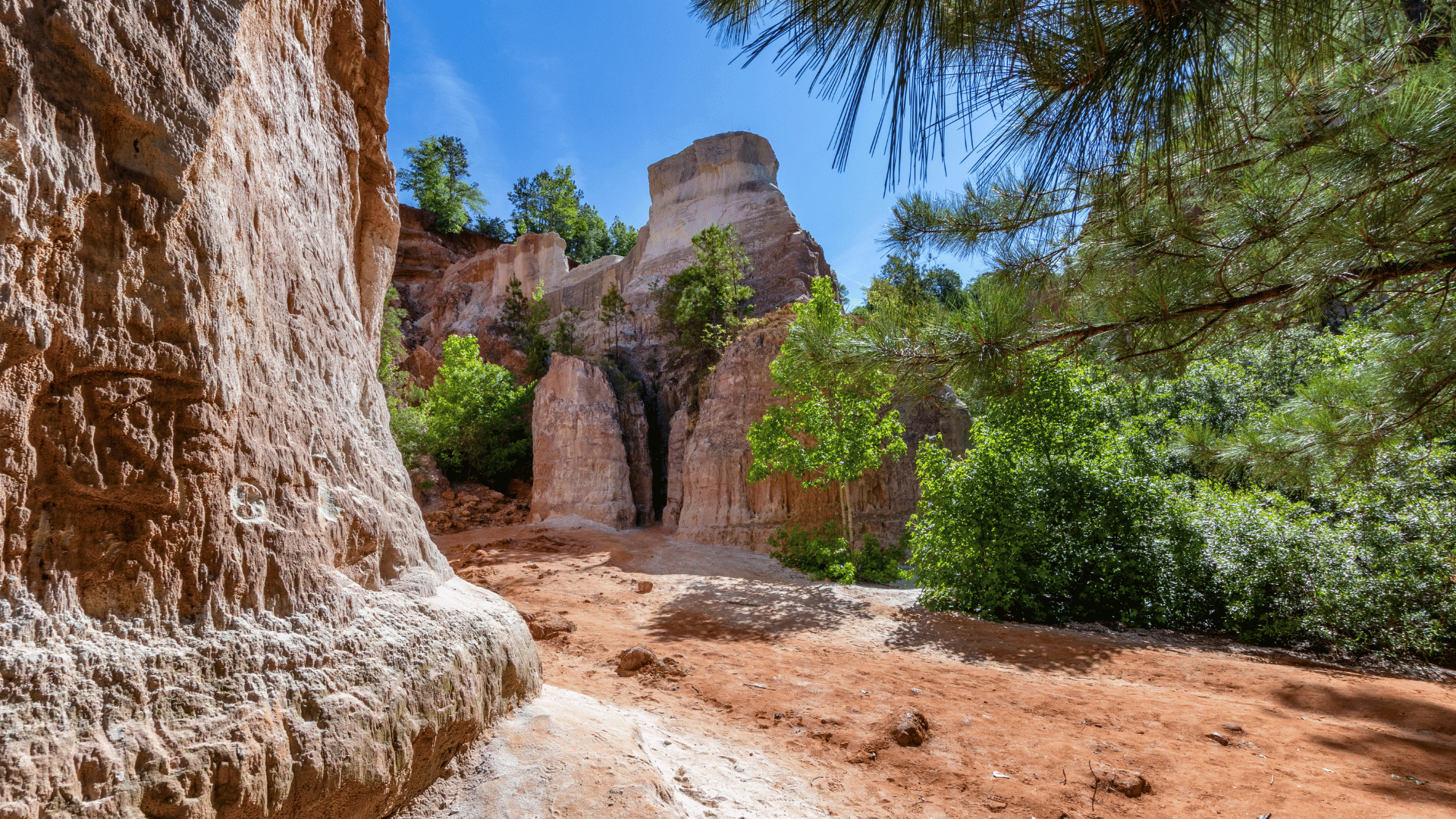
Providence Canyon is a good example of how nature adapts to human error. It’s an inspiring location that allows visitors to explore nature’s capabilities.