
Scientists recently broke a drilling record, retrieving a 748-foot (228-meter) cylinder of mud and rock from deep beneath Antarctic ice. This is more than just a pile of mud and sediment. Researchers say it’s a geological diary that could tell us the story of how much the West Antarctic Ice Sheet will melt as the planet continues to warm.
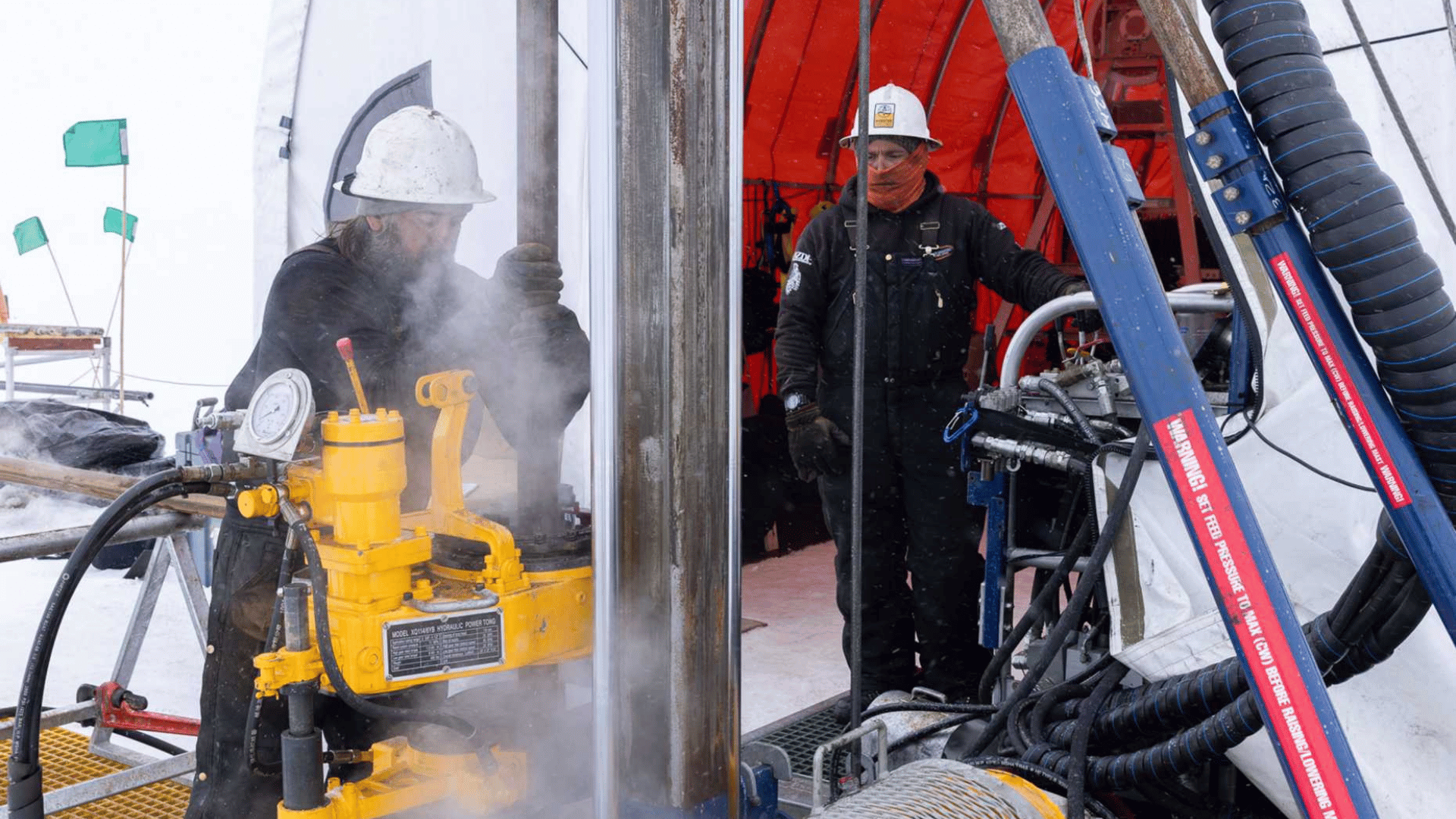
As part of the SWAIS2C project at Crary Ice Rise, the research team set up camp. Their base camp is about 430 miles (700 kilometers) from the closest research station. Researchers melted a hole through over 1,700 feet of ice before drilling into the seabed, just to get the sample. According to the team, it was easier said than done, taking them three tries to get it right.
Why the Dirt Matters
Until now, we’ve mostly relied on satellites or samples taken from the edges of the ice to guess how Antarctica reacts to heat. This new core goes back 23 million years, covering times when Earth was much warmer than it is today.
“This record will give us critical insights about how the West Antarctic Ice Sheet and Ross Ice Shelf is likely to respond to temperatures above 2°C,” said Co-Chief Scientist Huw Horgan in a statement. “Initial indications are that the layers of sediment in the core span the past 23 million years, including time periods when Earth’s global average temperatures were significantly higher than 2°C above pre-industrial.”
Layers of Change
The layers in the core show that this frozen desert hasn’t always been a layer of ice. The researchers found shell fragments and tiny marine fossils that need sunlight to live. This means that at different points in history, the ice retreated and left behind an open ocean.
“We saw a lot of variability,” said Co-Chief Scientist Molly Patterson. “Some of the sediment was typical of deposits that occur under an ice sheet like we have at Crary Ice Rise today.”
“But we also saw material that’s more typical of an open ocean, an ice shelf floating over ocean, or an ice-shelf margin with icebergs calving off,” Patterson added.
Before this, the longest sediment core ever pulled from under an ice sheet was less than 32 feet (10 meters). By hitting this recent milestone, the team has opened a massive window into the past.