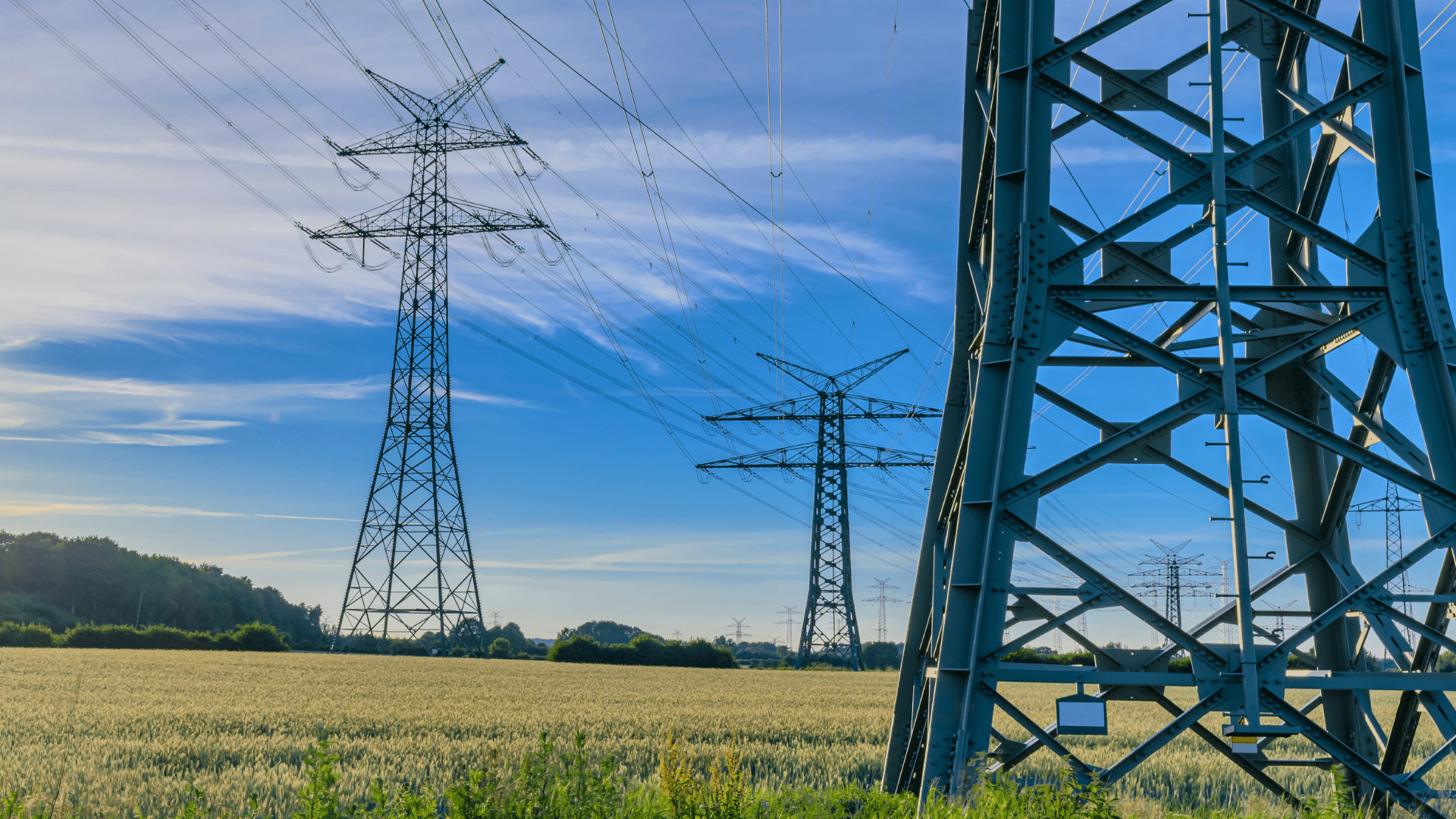
The power grid is usually one of those things you don’t think about until the lights go out. But behind the scenes, there is a massive effort to keep everything running, while we try to add more green energy and electric cars to the system. The problem is that the grid is getting crowded, and the old way of planning things is just too slow.
GridUnity just launched the GridUnity Intelligence Lab, or GIL for short. It’s basically a safe space where power companies and engineers can test out AI tools using their own real data. It’s a way to figure out how to make the grid work better without actually risking the power supply while they are experimenting.
If you want to build a new wind farm or a massive data center, you can’t just plug it into the nearest outlet. You have to wait for the utility company to study how that new power will affect everyone and everything else. These waiting lists, called “queues,” have been backed up for years.
Part of the reason it takes so long is that the industry usually works on “research time.” That means doing long studies that don’t always result in a finished product you can use today. But we don’t have years to wait. We need more power now.
Most AI programs we see today are just guessing based on stuff they read on the internet. You can’t use that to manage high-voltage power lines. GridUnity uses a system called GALE, which stands for Grid Analytics Learning Engine.
Advertisement
Instead of just reading text, GALE is built on a model of the physical grid. It knows where the wires are, how much heat they can withstand, and how electricity actually works. This allows it to give expert-level answers that engineers can actually trust. In the new lab, companies can use this tool to see if they can clear those long waiting lists and get new projects online faster.
One big concern with AI is that it might make a mistake and cause a blackout. GridUnity is pretty direct about this: they aren’t trying to replace people. They call their approach “governed AI.”
This means the AI does the heavy lifting—like sorting through mountains of data and running simulations, but humans stay in charge. The AI’s job is to explain why it’s suggesting a particular move. The people working at the utility companies then check that work. It’s about making humans faster and more effective, not taking them out of the equation.
We are in a weird spot where technology is advancing faster than our infrastructure can keep up. We have the tech for renewable energy, but we don’t have enough room on the wires to move it around. The GIL lab is meant to close that gap. By letting companies test ideas in a “sandbox” environment, they can find solutions in weeks instead of years. It’s about being honest about the limitations of the grid and using better tools to fix them.
Source GridUnity