Staring at screens all day leaves a lot of us feeling restless. When that happens, you might reach for your phone or a digital device. However, there is an older, simpler way to keep your hands busy and your mind relaxed.
It is called “wood whittling.” This is a low-pressure, playful version of small-scale woodcarving. You don’t need to be a master sculptor with rigid discipline. It frames the craft as a fun way to simply make something physical with your hands.
Low-Pressure Form of Art
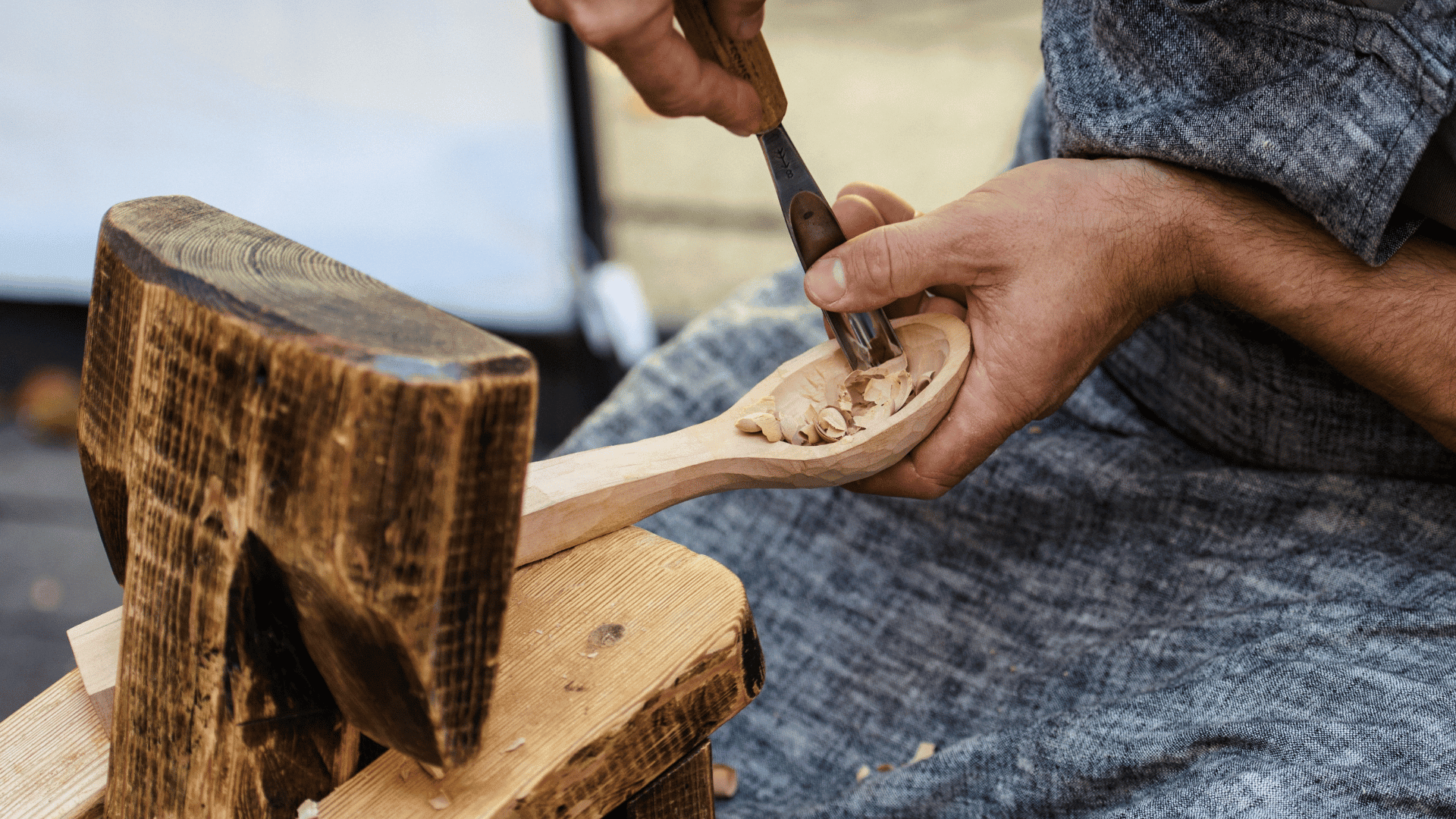
Long before we had plastic pop-its or metal spinners, people whittled wood. Making small things like worry stones, basic spirals, or interlocking rings gives your hands a productive job. It serves the exact same purpose as modern fidget toys, but the production process feels much more rewarding.
It is also a highly accessible way to create something. You don’t need a fancy studio or expensive gear like you would for glassblowing or oil painting. Mother Nature provides the canvas for free. All you need is a basic pocketknife, like a Swiss Army knife or an Opinel, and a piece of scavenged wood. A fallen branch from your yard works perfectly.
Advertisement
The rhythmic, repetitive motion of shaving away thin curls of wood takes just enough focus to keep you grounded in the present moment. But it isn’t stressful at all. The sound and feel of carving melt stress away, acting as a meditative art form. Plus, it is completely unplugged. It gives you a great excuse to put down the phone and just sit on your porch.
Embracing the Imperfections of Wood Whittling
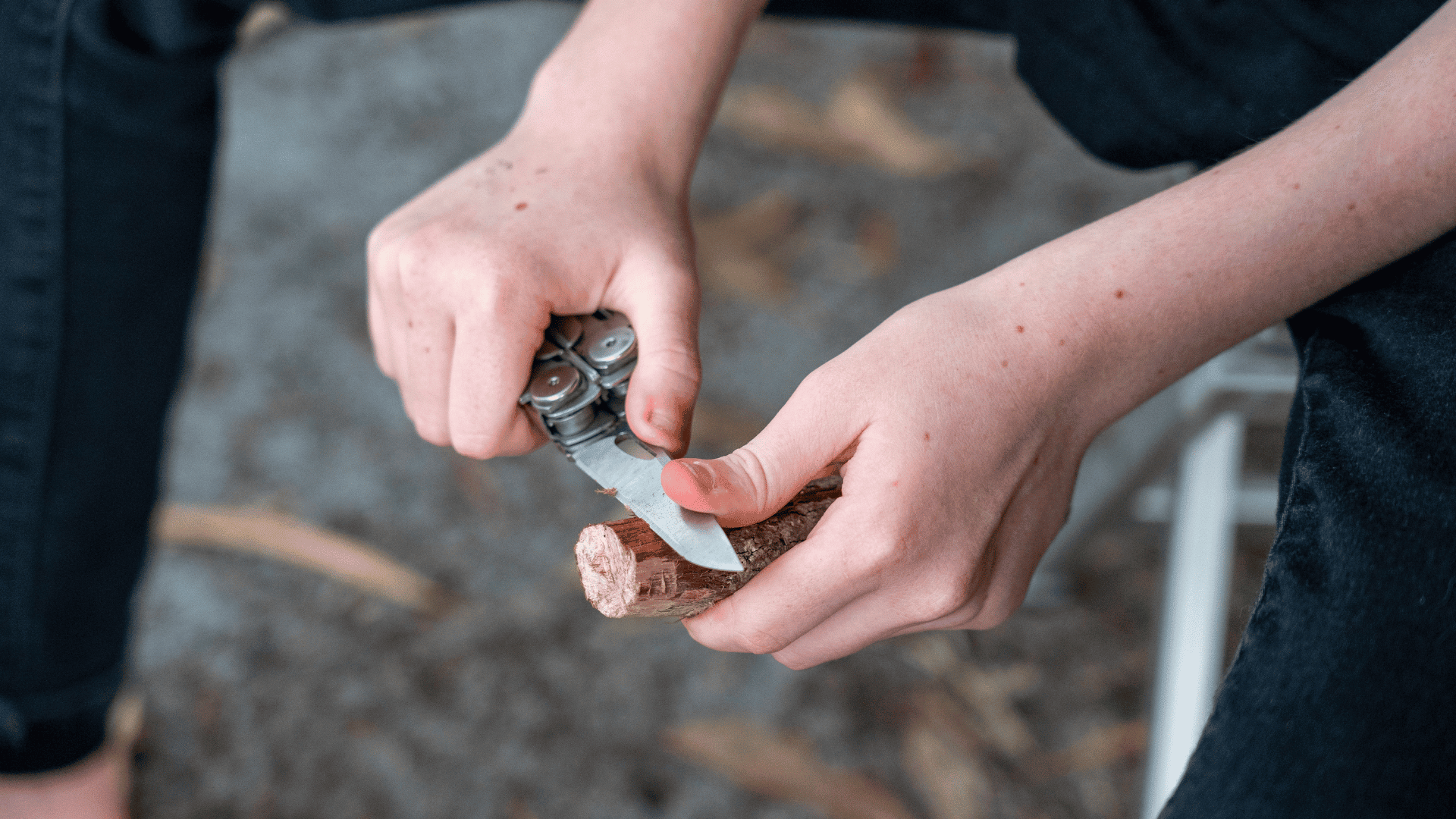
With whittling, you aren’t trying to make something mathematically perfect. The art is in the rustic, organic, tool-marked finish that celebrates the natural grain of the wood. Little gnomes, rustic spoons, or abstract shapes actually thrive on these small flaws.
This might work for you if you want a simple project. Start with softwoods like basswood, pine, or a freshly fallen, green twig. Try making a butter knife, a tent peg, or a smooth wooden worry stone.
Just remember one basic safety rule before you start: Always carve away from yourself, and never put anything in the path of the blade that you aren’t willing to accidentally cut.
 Read Exclusive Stories
 Bookmark & Save Articles For Later