At the Oldbury site in the U.K., the Nuclear Restoration Services (NRS) team is running trials with robots to help handle legacy radioactive waste. Deploying robots to do the job keeps workers safer while improving efficiency. Right now, they are testing two different approaches to see what works best for different stages of the process.
Giving Workers a Robotic Hand
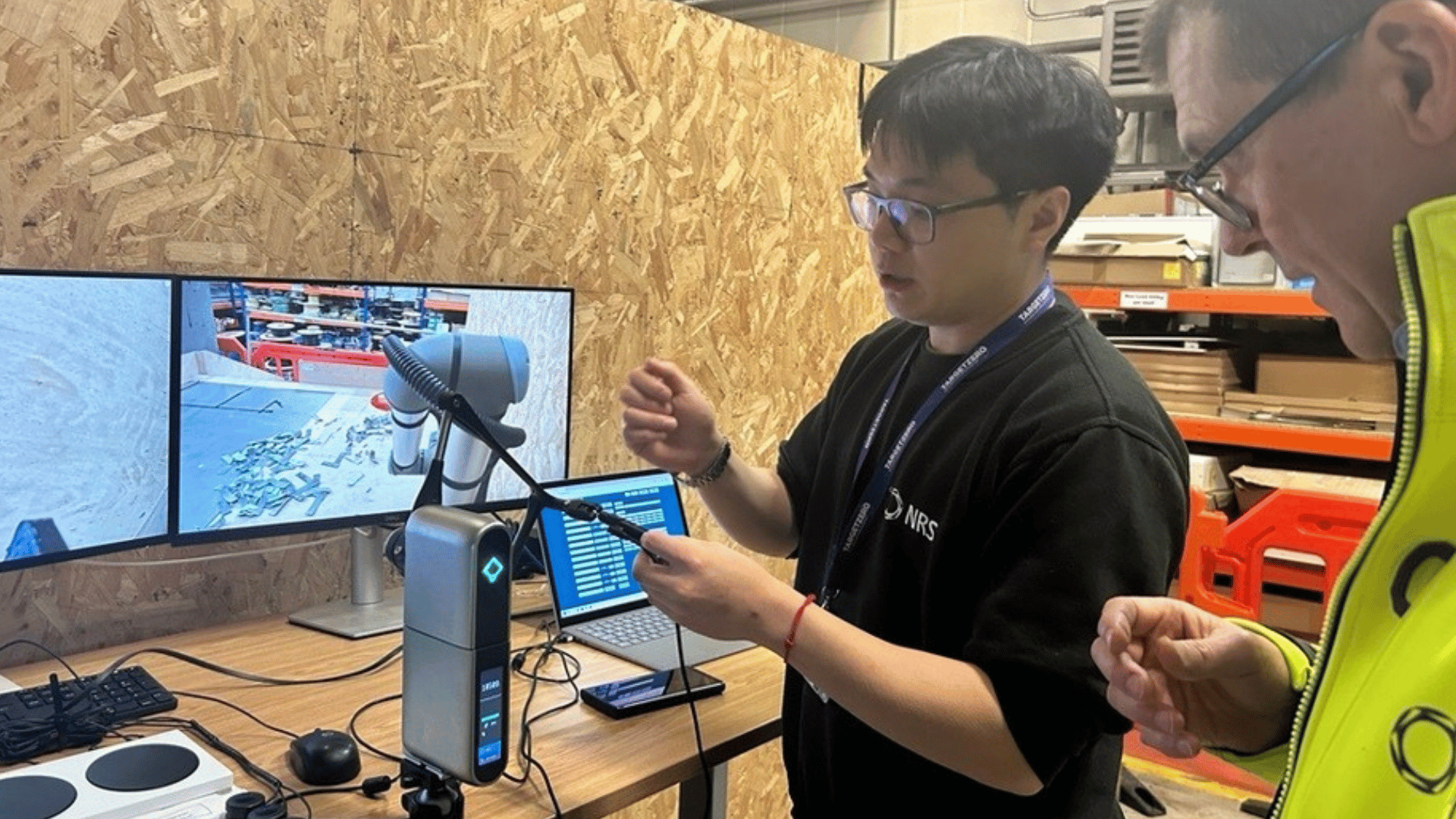
The first test deals with fuel element debris, or FED. This is the material that housed nuclear fuel back when the site was generating power. Currently, getting this material retrieved and sorted is demanding. Workers have to suit up in full protective gear and use manual tools with grippers over thick protective walls. This is extremely difficult and physical work.
The NRS teamed up with the Robotics and Artificial Intelligence Collaboration (RAICo) to test remote-controlled robotic arms. They are using 3D visual tools and haptic feedback systems. When an operator moves their hand, the robot arm copies it perfectly. The operator even feels physical resistance when the robot grips an object. This lets them do the job safely from a distance while keeping exact control over the tools.
Advertisement
Letting the System Sort Out the Nuclear Waste
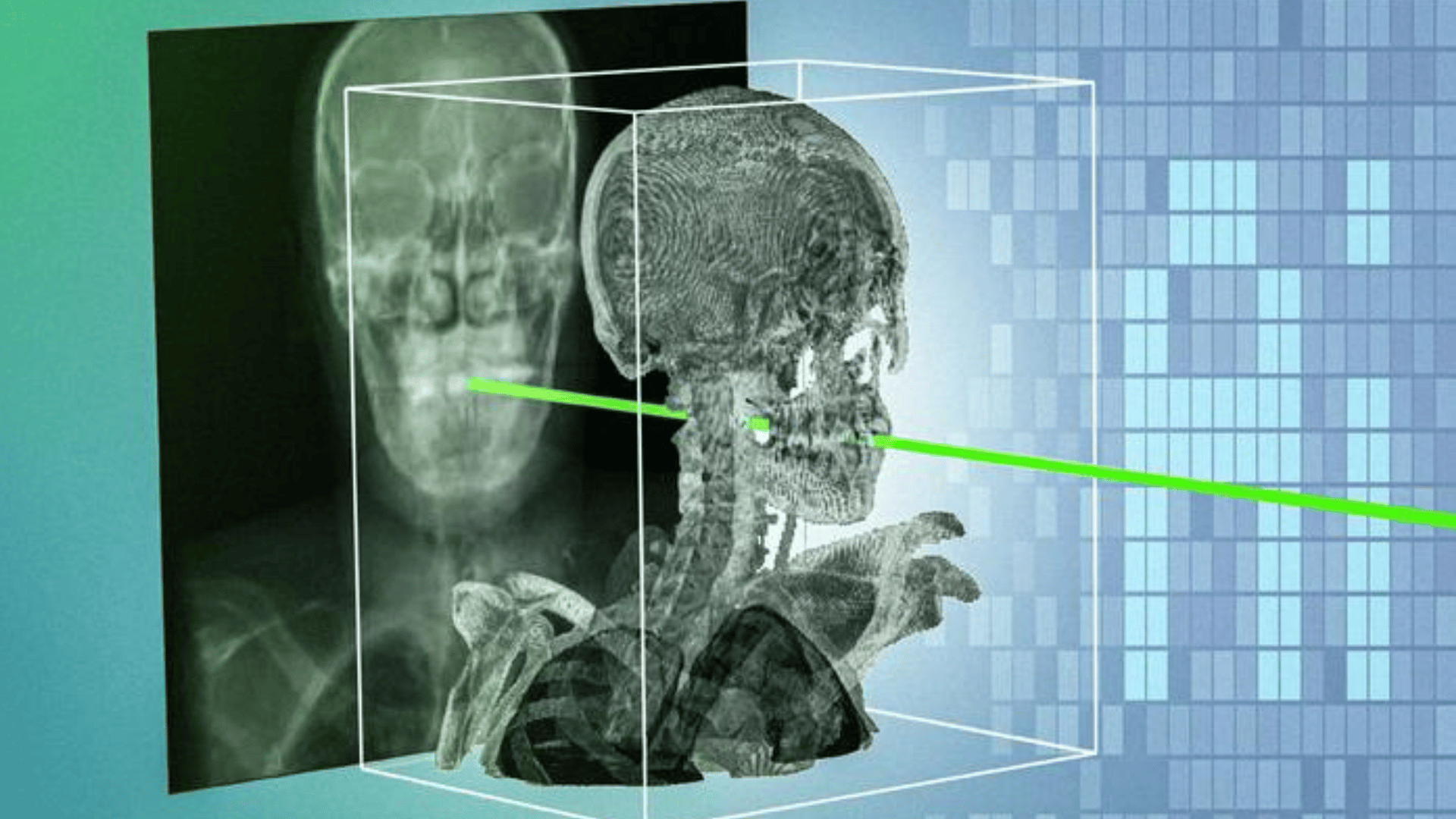
The second project is a longer-term system called Auto-SAS. Backed by a $12.7 million (£9.5 million) investment over four years from the Nuclear Decommissioning Authority (NDA), it tackles complex mixed waste. Often, this waste is too hard to handle manually, so it just gets sent to expensive disposal routes. Auto-SAS uses sensors and ARCTEC’s 3D scanning hardware and software to identify, categorize, and sort this waste automatically.
The work relies on partnerships with RAICo, UKAEA, and others. “The goal is not innovation for its own sake, but using technology to remove people from harm, reduce costs and build capability for the future,” the project team stated.
“There’s huge interest in robotic arms in decommissioning, but precision control and risk management are blockers,” Varun Kumar, a Robotics Engineer at RAICo, said. “These projects should enable operators to perform skilled sorting tasks from a safe distance and even expand the role to operators who cannot work in restrictive environments.”
Testing for Auto-SAS will begin around mid-2027. Until then, the robotic arm trials will keep gathering evidence to improve how nuclear waste is handled in the future.
 Read Exclusive Stories
 Bookmark & Save Articles For Later