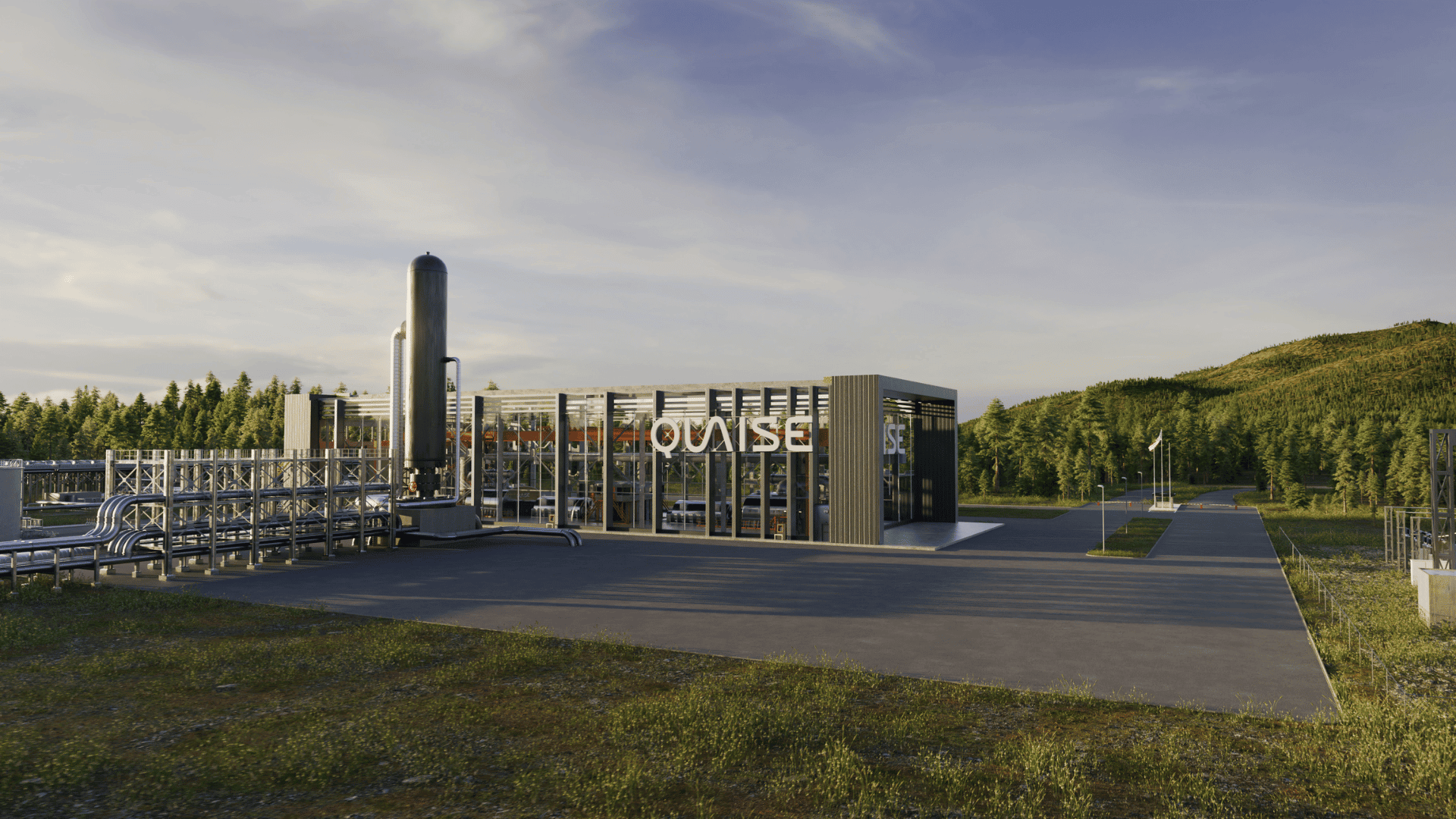
Quaise Energy recently secured $134 million to dig deep into the earth, over 3 miles to be exact. The company recently closed its Series B funding round, bringing its total money raised to $230 million. The goal is to build the world’s first commercial superhot geothermal power plant.
Melting Rock to Make Geothermal Power
The problem with normal drilling is that it gets way too expensive and difficult when you try to go really deep. Quaise uses a millimeter wave drilling system originally developed at MIT to address that issue. Instead of a standard drill bit grinding away, this system vaporizes the rock.
This tech lets them reach areas where temperatures hit 300 to 500 degrees Celsius. This is significant because if it can do this reliably, geothermal systems could produce as much power as fossil fuels or nuclear plants, while costing about the same as standard renewables.
“Our ambition is to power civilization with Earth’s most compelling energy source,” said Carlos Araque, CEO and President of Quaise Energy. “This round takes us from field-proven technology to first commercial revenues.”
Advertisement
They already tested the concept in 2025 at a site in Texas. The team drilled more than 100 meters through solid granite. Now, they are pushing toward the one-kilometer mark at that same site, which would be the deepest non-contact drilling ever recorded.
Project Obsidian
These new funds will directly pay for Project Obsidian, located in Oregon’s Deschutes National Forest, which is already underway. It plans to send power to the Pacific Northwest grid by 2030, right when the region is expected to face higher energy demands.
“What the team has achieved in the field and what they are now building at Project Obsidian validates that conviction, and we are proud to continue supporting Quaise as they move from proving the technology to powering the grid with clean, reliable energy nearly anywhere on Earth,” said Mark Cupta, Managing Director at Prelude Ventures.
With large energy companies like Japan’s JERA and Idemitsu also backing the project, Quaise expects to announce even more project financing later this year.
 Read Exclusive Stories
 Bookmark & Save Articles For Later