

A recent camera-trap survey has revealed an array of rare species in the Annamite Mountains, a largely unexplored area spanning 683 miles across the landscape of Laos, Vietnam, and Cambodia.
Footage of Rare Animals
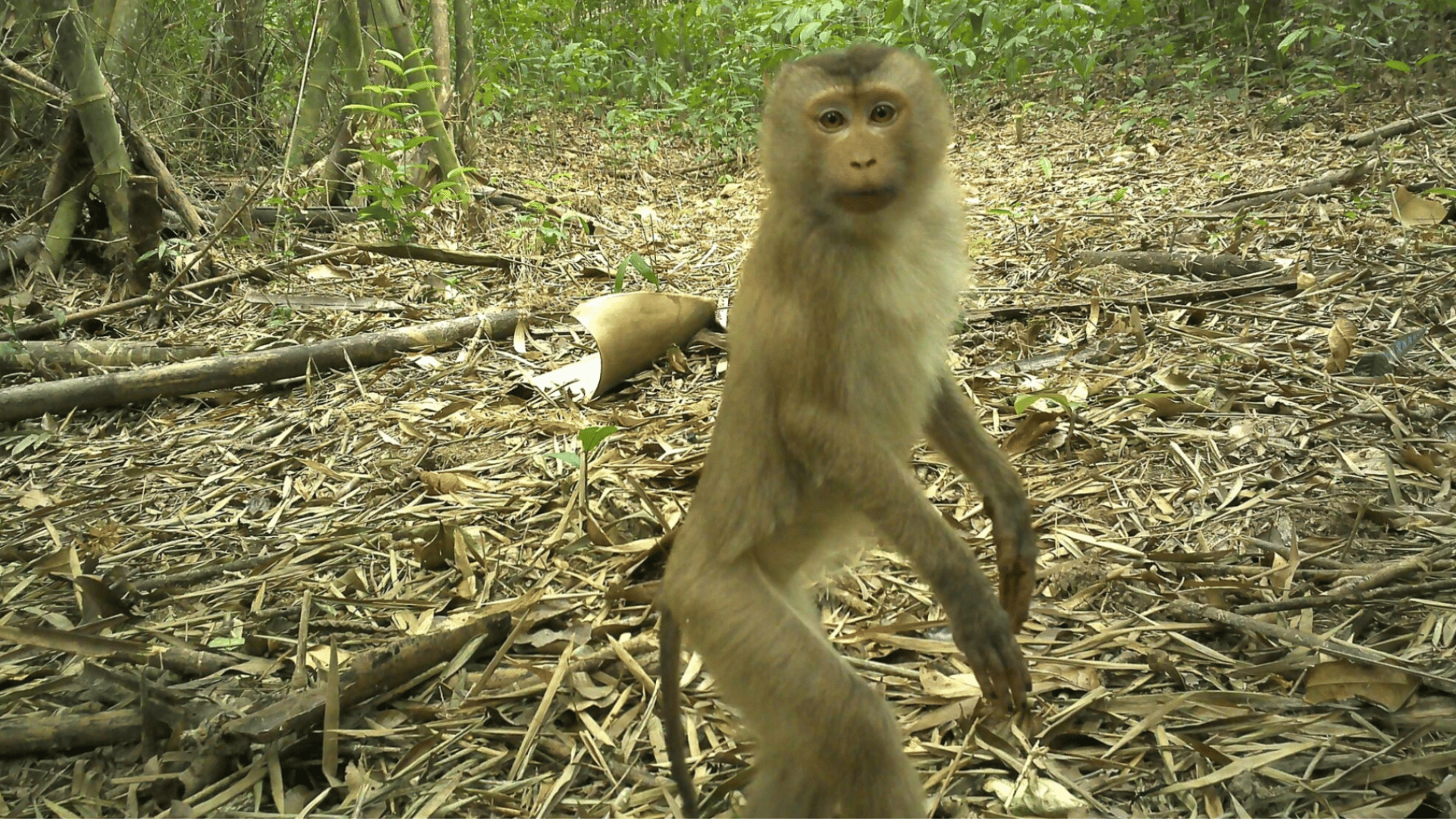
“The Annamite mountain range – sometimes called the ‘Amazon of Asia’ – is alive with a host of incredible creatures, each playing a critical role in maintaining the forest ecosystems that are vital to the health of our planet. This camera-trap data allows us to discover some of the Annamites’ rarest species, while also understanding more about their behavior, preferred topography and their interactions with human settlements,” said Gareth Goldthorpe, Senior Technical Adviser, Asia-Pacific, Fauna & Flora, who played a key role in the survey, in a statement.
The analysis of the results can also tell us about threats to these species, including habitat fragmentation and encroachment, and the impact of snaring. Among the recorded animals were Asian elephants, sun bears, great hornbills, sunda pangolins, serows, stump-tailed macaques, clouded leopards, and more.
One of the rarest species recorded during the survey was the Annamite striped rabbit, a species that was discovered in 1996 and has only been recorded a handful of times. Based on the report, the area remains crucial for many endangered species, but it’s also impacted by the anthropogenic factors that threaten this ecosystem and the species within it.
“From analysis of the data, one thing is clear: to secure the future of these biodiversity hotspots, conservation action that considers both the needs of wildlife and local communities is essential. People living near to these protected areas can support the effective protection of wildlife, but they face their own set of challenges,” said Goldthorpe.
“Therefore, harmonizing conservation goals with local development needs is not merely a social goal, but an ecological necessity for the survival of the region’s extraordinary biodiversity.”