
After a decade’s effort to bring them back from extinction, the Bermuda snail population is reportedly thriving.
Only found in Bermuda, the snail population was impacted by global warming, habitat loss, and the introduction of predatory species, including the “wolf snails” and carnivorous flatworms.
Snail Species Overcomes Extinction
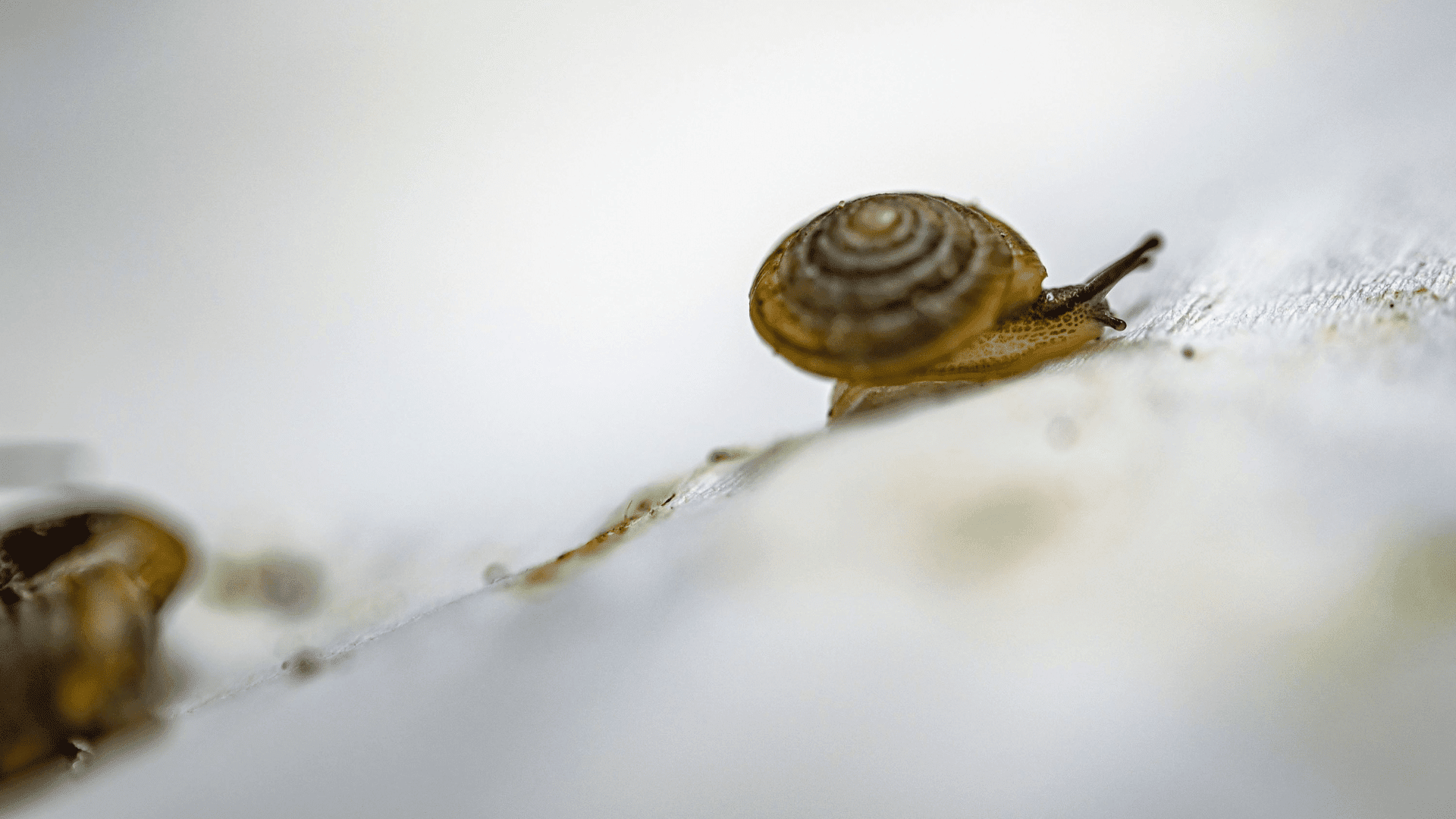
This button-sized snail was once thought to be extinct after being found in the fossil record, but seemingly gone from the North Atlantic archipelago. A remnant population of the snails was discovered in Hamilton, the island capital, in 2014.
To save the species, an effort was undertaken by conservation scientists, the government of Bermuda, and Chester Zoo. They bred and released more than 100,000 greater Bermuda snails back to the islands. The species was recently confirmed safe from extinction.
“It’s every conservationist’s dream to help save a whole species – and that’s exactly what we’ve done,” said Tamás Papp, the invertebrates assistant team manager at Chester zoo. “This scientific confirmation that we’ve saved them is testament to the role zoos can play in preventing extinction, and in the power of collaboration, and is something everyone involved will carry in their heart.”
Researchers began returning generations of captive-bred snails to islands in 2019. To ensure the species are safe from invasive predators, they’re placed in wooded habitats with biosecurity measures.
According to a population assessment in Oryx, the International Journal of Conservation, the snails are now well-established in six areas.
Dr. Mark Outerbridge, an ecologist for the government of Bermuda, said: “It has been extremely gratifying to be involved with this reintroduction programme and to see these snails back in Bermuda’s ecosystem again. It is remarkable to think we only began with less than 200 snails and have now released over 100,000.”
“The snails function both as prey for larger animals and as consumers of live and decaying vegetation, so they are vital for turning over nutrients within their habitat,” stated Dr. Kristiina Ovaska of the Canada-based partners Biolinx Environmental Research.