One of the biggest challenges of space exploration, for astronauts at least, is powering the mission. While losing power on Earth is a bit of an inconvenience, it’s a matter of life and death in space.
While we’ve used plutonium-based batteries for things like the Mars rovers since the ’60s, NASA is looking for something bigger. They want to put a nuclear fission reactor on the Moon by 2030. It’s a move that could change how much we can actually do out there.
“It might sound like science fiction, but it’s not,” says Sebastian Corbisiero, the Department of Energy Space Reactor Initiative national technical director. “It is very realistic and can significantly boost what humans can do in space because fission reactors provide a step increase in the amount of available power.
“What we need now is a clear path forward,” Corbisiero emphasized.
The Hurdles of a Nuclear Space Reactor
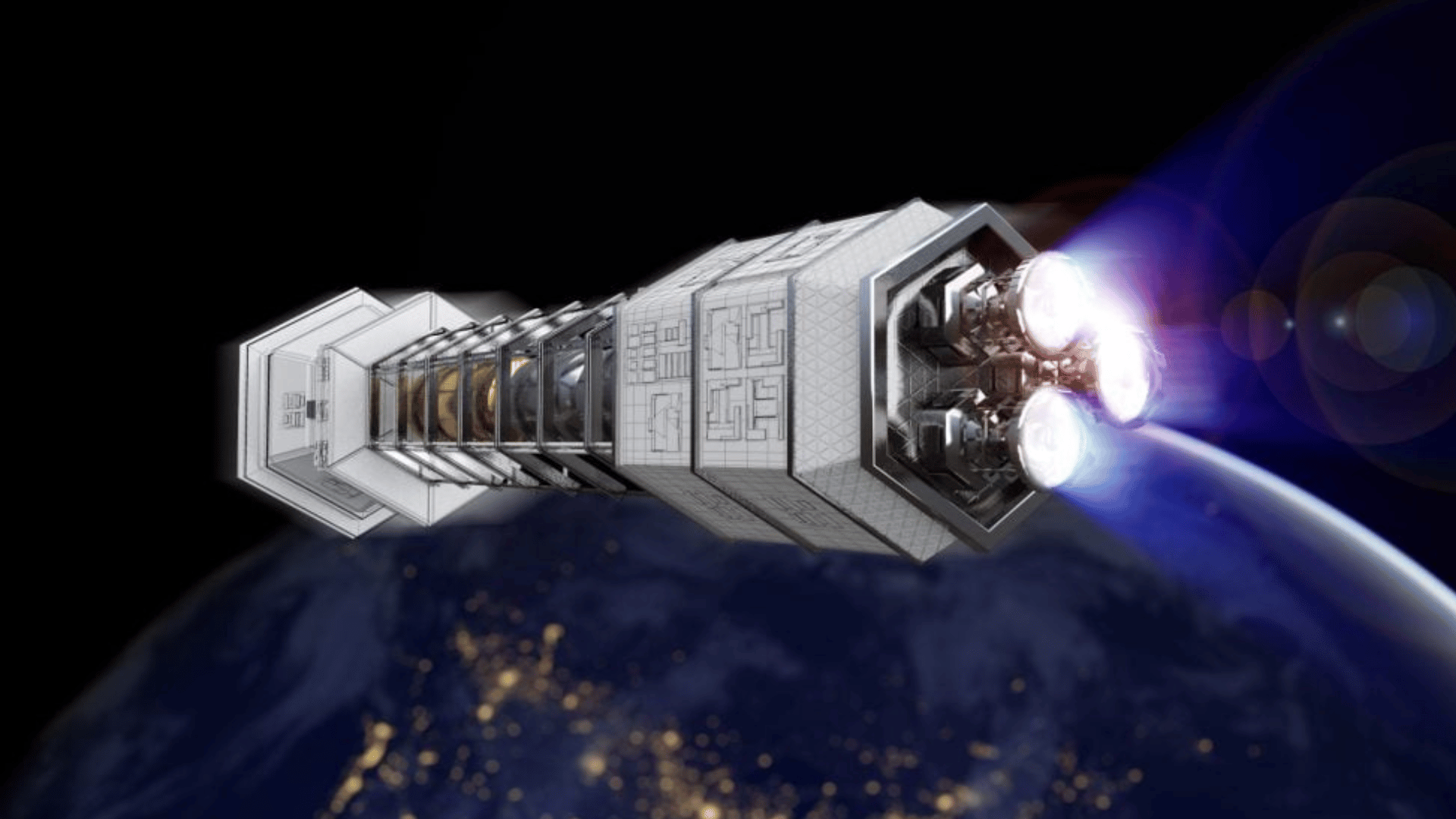
Building a reactor for space isn’t like building one on the ground. On Earth, we can use heavy materials and thick water tanks to keep things cool. In space, every extra pound makes it harder and more expensive to launch.
Advertisement
“The big differences are mass, temperature and component endurance,” Corbisiero explained. Because space reactors have to be light, water cooling is most likely not an option. Additionally, these machines have to run much hotter than terrestrial ones to get the most power possible. Plus, there are no repair crews in space. While a normal reactor gets maintenance every two years, a moon reactor needs to last a full decade on its own.
Choosing a Strategy
A new report from the Idaho National Laboratory (INL) suggests three ways the U.S. could handle this:
-
The Big Swing: Building a massive power project (100–500 kilowatts) to get results fast. It’s expensive and needs steady leadership, but it has the biggest payoff.
-
The Chess Move: Splitting the goal into two smaller projects through public-private partnerships. This lets private companies pick the tech, which lowers the risk.
-
The Slow Road: Starting with a very small demonstration to figure out the rules and regulations before building anything bigger.
No matter which path we take, the goal is to keep the U.S. at the front of the pack. For the people working on it, the stakes are more than just technical.
“We’re potentially on the cusp of a major step forward regarding nuclear power for space applications,” says Corbisiero. “To be a part of an effort like this — that is as exciting as it gets. That’s something you tell your grandkids.”
 Read Exclusive Stories
 Bookmark & Save Articles For Later