Researchers in Spain have found a new way to tackle pancreatic cancer, one of the toughest diseases to treat. Currently, most patients face a difficult reality. For example, often even when new drugs work, the cancer usually figures out how to resist them within a few months.
However, a team at the National Cancer Research Centre (CNIO) in Spain might have found a workaround. By using a “triple therapy” approach in mice, they managed to make tumors disappear completely without the cancer bouncing back.
Breaking the Pancreatic Tumor Resistance
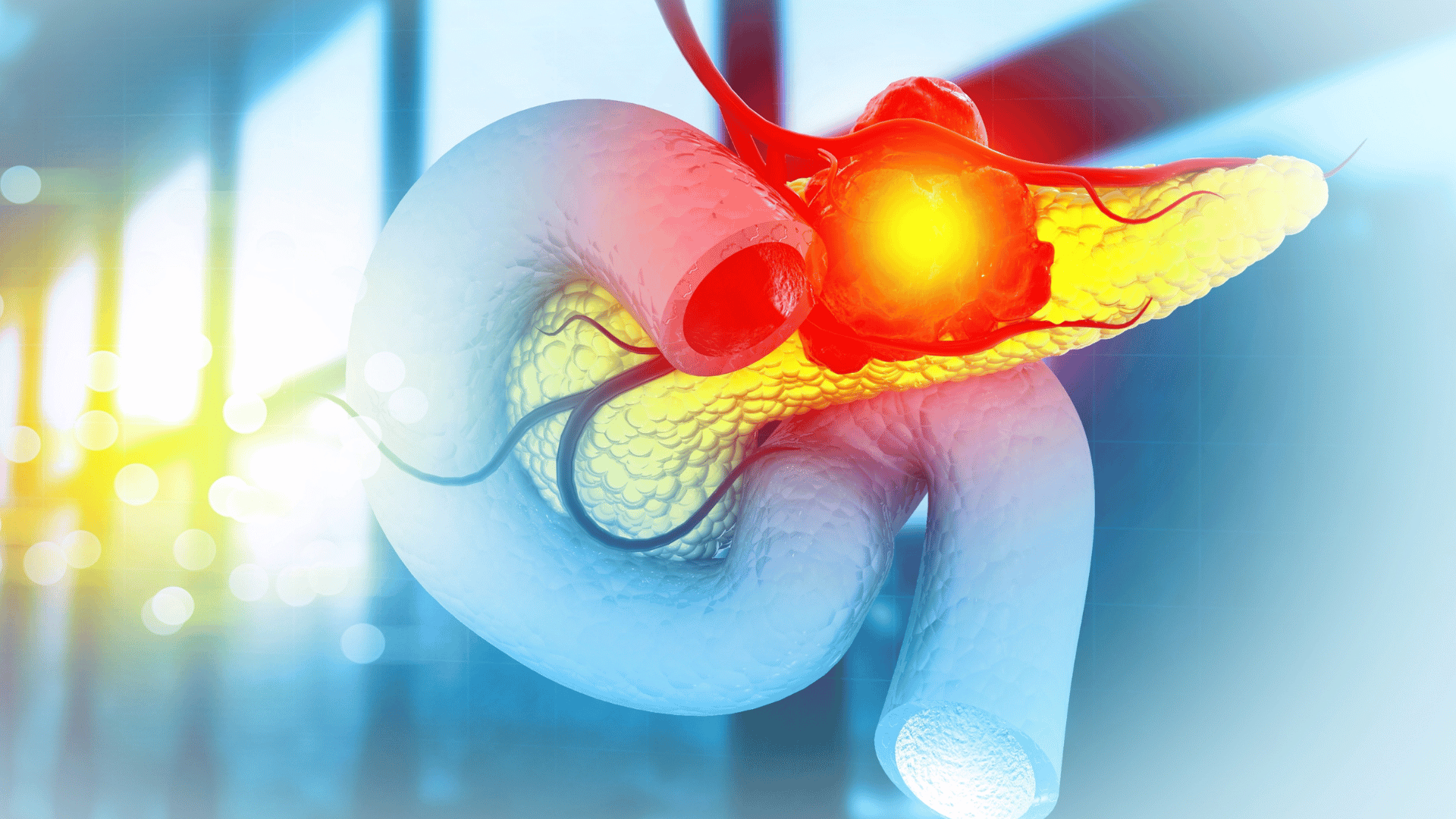
The problem usually starts with a gene called KRAS. It’s mutated in about 90% of pancreatic cancer cases. While doctors have drugs that block KRAS, the tumor often finds a “detour” to keep growing.
To stop this, the team led by Mariano Barbacid decided to block the cancer’s path at three different points instead of one. It’s kind of like trying to stop a leak, and the water still manages to find a way past the plug. By plugging three, the researchers saw the tumors vanish in their animal models.
Advertisement
The study, published in PNAS, used a mix of experimental inhibitors and existing drugs. The authors said, “This study describes a triple combination therapy […] that induces the robust regression of experimental PDACs and avoids the onset of tumor resistance. This triple combination is well tolerated in mice.”
What Happens Next?

While this is a big step forward, it’s not ready for the pharmacy just yet. Moving from successful mouse trials to human treatments takes a lot of time and careful testing to ensure it’s safe.
Mariano Barbacid, who heads the Experimental Oncology Group at CNIO, is staying realistic about the timeline. “It is important to understand that, although experimental results like those described here have never been obtained before, we are still not in a position to carry out clinical trials with the triple therapy,” Barbacid explained.
Even so, the results provide a much-needed map for future treatments. “These studies open the road to design novel combination therapies that may improve the survival of PDAC patients,” the authors stated. “These results set the course for developing new clinical trials.”
 Read Exclusive Stories
 Bookmark & Save Articles For Later