
As futuristic as EV-charging highways sound, it seems like engineers are getting closer to making that concept a reality. Purdue University engineers and the Indiana Department of Transportation demonstrated wireless charging of an electric heavy-duty truck driving at highway speeds. This is the first time such a successful test has been accomplished in the U.S.
Engineers experimented on a 1/4-mile stretch of U.S. Highway 52/U.S. Highway 231 in West Lafayette, Indiana, near the university. Purdue’s system delivered 190 kilowatts of power to an electric semitractor as the vehicle was moving at 65 mph. “To put that in perspective, 200 kilowatts are on the scale of about a hundred homes,” said Steve Pekarek, a Purdie Professor of Electrical and Computer Engineering.
Charging EVs While Driving
Before the engineers at Purdue conducted their tests, the world’s first EV charging roadway was tested in France.
The “Charge as you drive” project, spearheaded by a consortium comprising VINCI Autoroutes, Electreon, VINCI Construction, Gustave Eiffel University, and Hutchinson, is testing a system that allows electric vehicles, ranging from heavy-duty trucks to passenger cars, to recharge directly from the road while in motion. This project was announced a few months ago, in October.
EV Charging Highway System
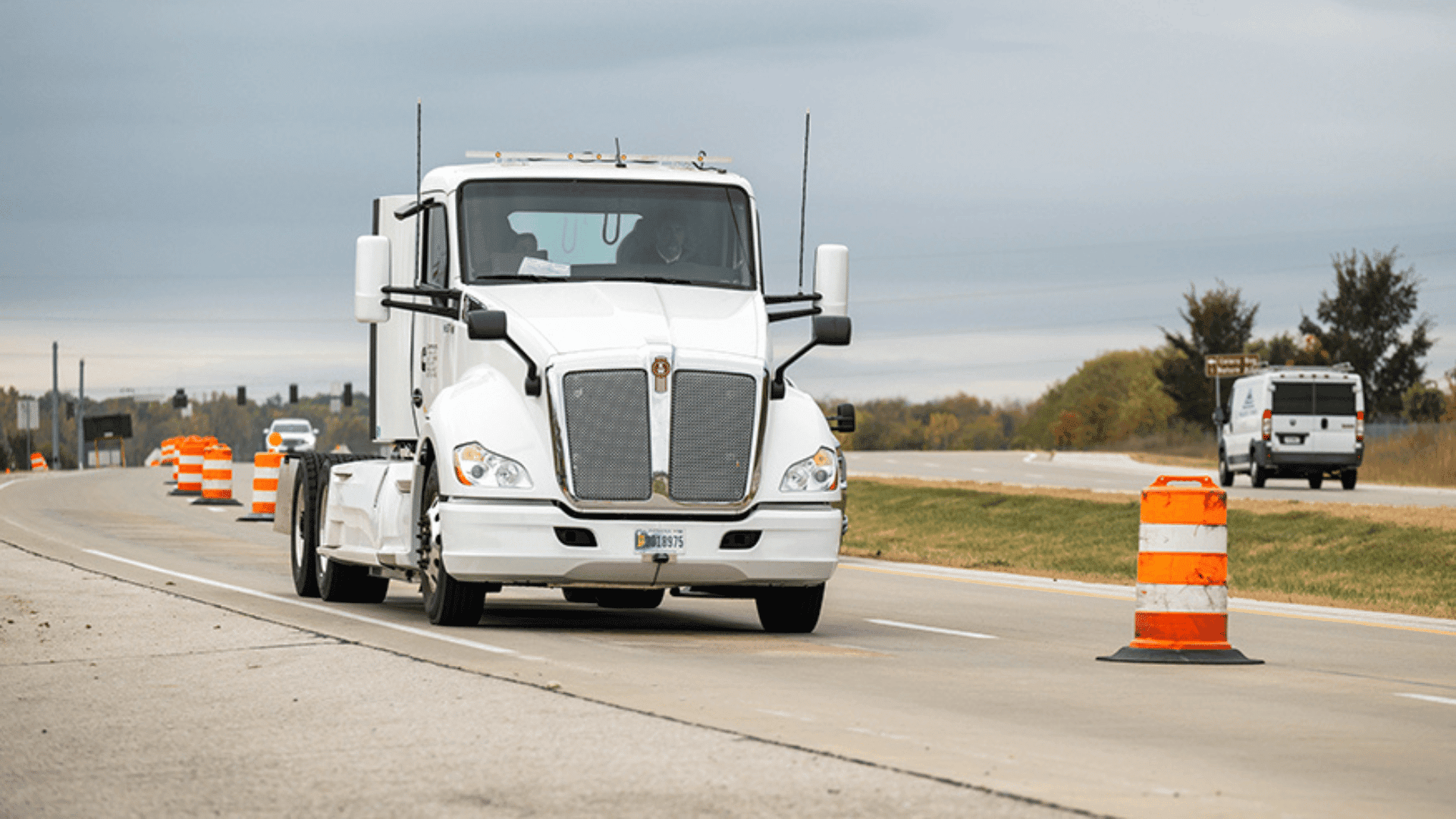
According to the engineers, the system is powered by magnetic transfer coils embedded in the pavement, which sends power to a single receiver coil assembly attached to the truck. Additionally, prioritizing high-power needs allows the system to support the lower power requirements of electric cars.
Aaron Brovont, a research assistant professor, said, “This is a system designed to work for the heaviest class of trucks all the way down to passenger vehicles.”
Ultimately, engineers believe the electrified highways could offer a solution to EV owners who are worried about the cost and “range anxiety.” If the road could charge the vehicle while driving, it would require a cost-effective and smaller battery. “A lot of that cost in electric vehicles is driven by the size of the battery packs,” said Purdue professor John Haddock. “With this system, you’d be able to drive your vehicle down the road, and it would charge the battery.”