Superconductors conduct electricity without resistance, and are essential for building quantum computers. When you make these materials a few atoms thick, they can help shrink down bulky quantum devices.
These super-thin materials, like one called niobium diselenide, fall apart quickly in regular air.
“Typically, once we make the material and remove it from its inert environment, it immediately starts to oxidize and degrade, ultimately becoming damaged,” explained Xudong Sheldon Zheng, a graduate student at MIT and co-lead author of the new research.
Because of this rapid damage, scientists could usually only make tiny flakes of the material. Now, a team from MIT and other schools found a new way to make a large, stable sheet.
Growing Superconducting Materials
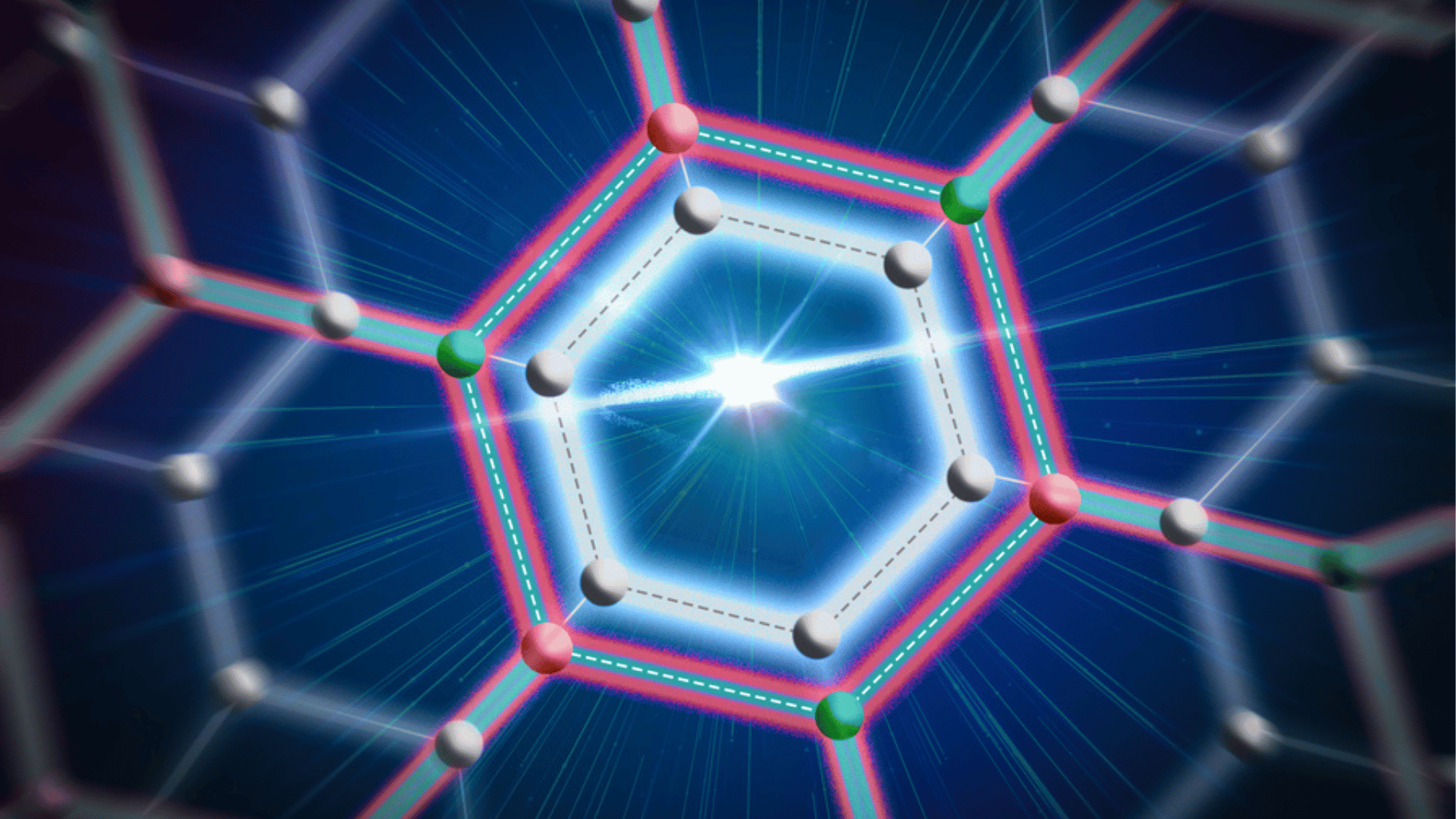
Traditionally, researchers grow the material first and then try to put a protective layer on top. However, the material starts breaking down before it gets covered. To solve this, the MIT team tried putting the protective layer down first.
They placed a thin layer of carbon, called graphene, on top of a silicon dioxide base. Then they grew the superconductor in the tiny gap between those two layers.
Advertisement
“It took a long time for us to understand how the growth could happen underneath the graphene. Through collaboration and discussion, we eventually uncovered the mechanism for growing the material at the interface, and this solves a lot of problems and allows us to simplify our fabrication steps,” Zheng said.
This created a smooth layer of material over an inch wide. Since it grew under the graphene, it was already protected from the air.
Wiring It
The next step was connecting this thin film to a circuit.
“It is challenging to make a good electrical connection between this very thin material, which is only about 1 nanometer in thickness, and our electrodes, which are a few hundred nanometers in thickness,” said Sameia Zaman, an MIT graduate student and co-lead author.
They figured out how to safely peel the material off its base and wire it into a microwave circuit. It kept its special properties and stored a lot of energy in a tiny space.
“We’ve taken a very good step toward exploring both the physics and the application side of this thin, monolayer superconductor, which we can now grow in wafer scale or in even larger areas,” Zaman explained. “There are a lot of directions we can go in the future.”
 Read Exclusive Stories
 Bookmark & Save Articles For Later