Since 2000, doctors have been using a system called the da Vinci surgical robot. Today, healthcare providers have used it for over 10 million surgeries worldwide.
The da Vinci system is a specific type of robot that helps surgeons perform operations. It enhances the dexterity and range of motion for a surgeon’s hands, allowing for tight, precise movements. The system’s surgical instruments only move when the doctor controls them.
The system got its name from Leonardo da Vinci and his study of human anatomy. It was cleared by the FDA in July 2000, and it is still one of the leading robotic systems in hospitals today.
How the da Vinci Setup Works
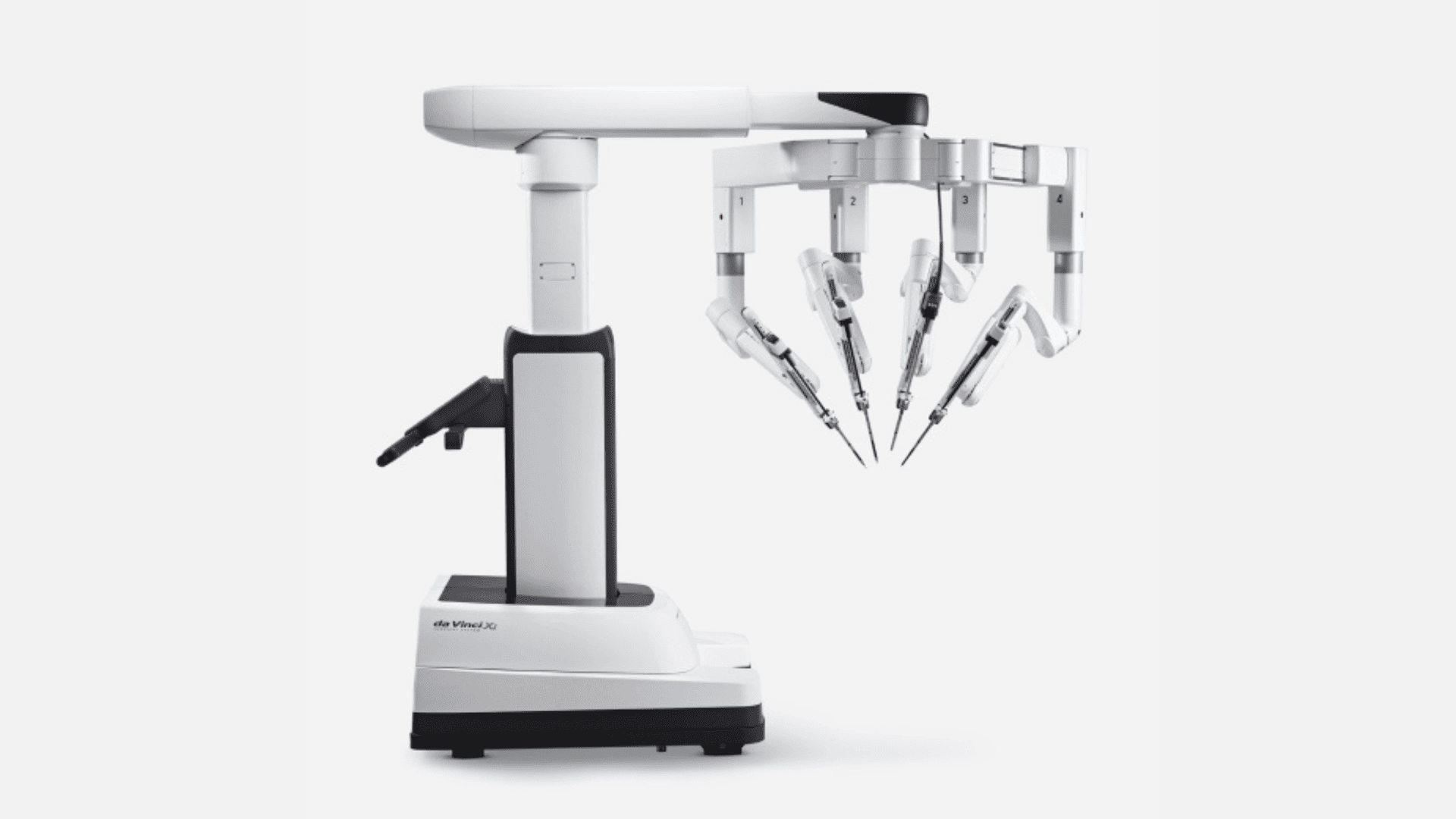
The surgical robot has three main parts, leading with the control center. The surgeon sits here during the operation, looking at a high-definition 3D screen. They use hand controls that look a bit like arcade joysticks to move the robot’s arms.
Next is the patient cart that sits right next to the patient and holds three or four robotic arms. These arms hold the surgical tools and an endoscopic camera so the surgeon can see inside the body.
Advertisement
Finally, the vision cart holds the computer hardware and software. It also has a second video screen so the rest of the surgery team can watch the procedure.
During an operation, the patient goes to sleep under general anesthesia. The surgeon makes a few small cuts and inserts the instruments. From the control center, they guide the robotic arms, which move like enhanced human wrists.
The Pros and Cons
This might work for procedures like gallbladder removal, a hysterectomy, or mitral valve repair. Because the robot uses small incisions, patients usually lose less blood and experience less tissue trauma compared to traditional open surgeries.
After the procedure, people often experience fewer infections, less pain, and smaller scars. This can help you get out of the hospital sooner and back to normal daily activities faster.
Despite the many positives, there are a couple of downsides. First, a da Vinci surgery takes longer than a traditional one. Second, it might cost more. Additionally, your recovery time just depends on your overall health and the specific procedure you had.
 Read Exclusive Stories
 Bookmark & Save Articles For Later