Small drones are great for checking tight spaces, like industrial HVAC systems with gas leaks. However, to avoid crashing into walls, these robots need to build 3D maps of their surroundings. Usually, making these maps drains a lot of memory and battery power.
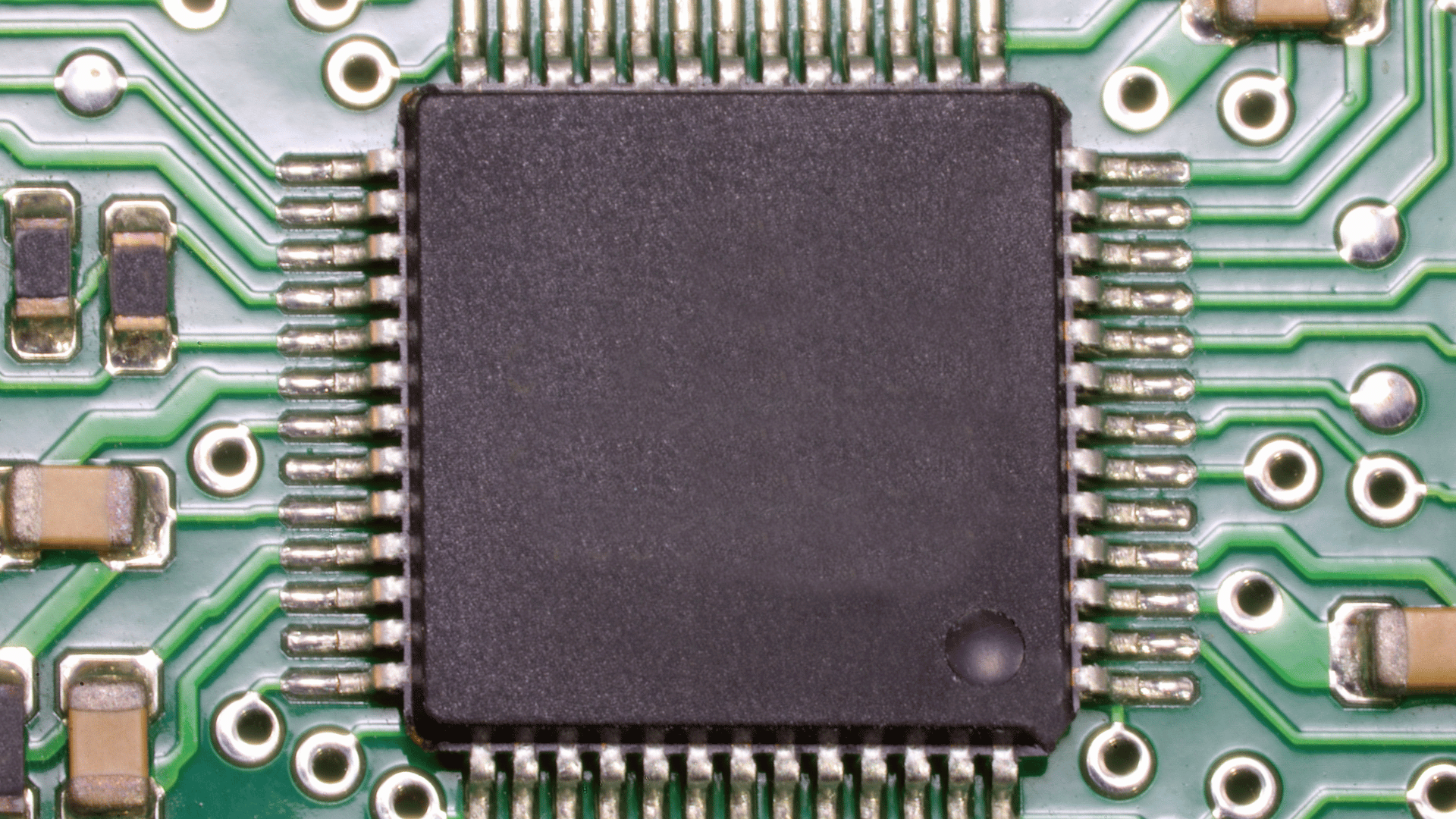
MIT researchers built a new system-on-a-chip called Gleanmer. It helps tiny, battery-limited robots create detailed 3D maps in real-time, using only about 6 milliwatts of power. That is roughly the same power as a single LED.
In tests, Gleanmer used just 2.5 percent of the power needed by the best existing chips for map construction. It also lets robots chart safe paths using only about 20 percent of the energy they would normally need.
A Better Way to Map the Area
Normally, robots map spaces using rigid 3D cubes called voxels. Processing and storing all those cubes takes lots of memory. Instead, the MIT team used an algorithm called GMMap. It builds maps using flexible, curved blobs called Gaussians. A single stretched-out Gaussian covers an area that would normally take many small cubes to map.
Because of this, the chip doesn’t have to save entire images. It just compares a pixel to its immediate neighbors once and discards the rest.
Advertisement
“At any point in time, we only need to store a few pixels in memory, which significantly reduces the memory footprint our algorithm requires,” said Peter Zhi Xuan Li, an MIT graduate student and co-lead author.
When these Gaussian shapes represent the same object, they overlap. The system fuses them directly without revisiting the original pixels. It keeps active shapes right on the chip’s fast memory to save battery.
Zih-Sing Fu, another co-lead author, explained, “By having a dedicated memory that just stores the objects you’ve seen in the previous few frames, you can access the data much more efficiently.”
Why These Chips Matter for Robots
This might work for lightweight augmented reality headsets, too. Because the chip draws so little power, people could wear AR headsets for extended periods for educational medical simulation or detailed repair work.
“This paper showcases a key example of how you can leverage co-design of the algorithm and hardware to really push energy efficiency, “Vivienne Sze, an MIT professor and senior author, added. “While there has been a lot of work looking into compact 3D maps, what stands out about this work is that it also ensures that the process to generate those maps is as efficient as possible. Our chip allows you to store very large maps in a very small space, and do it in a very energy efficient manner.”
 Read Exclusive Stories
 Bookmark & Save Articles For Later