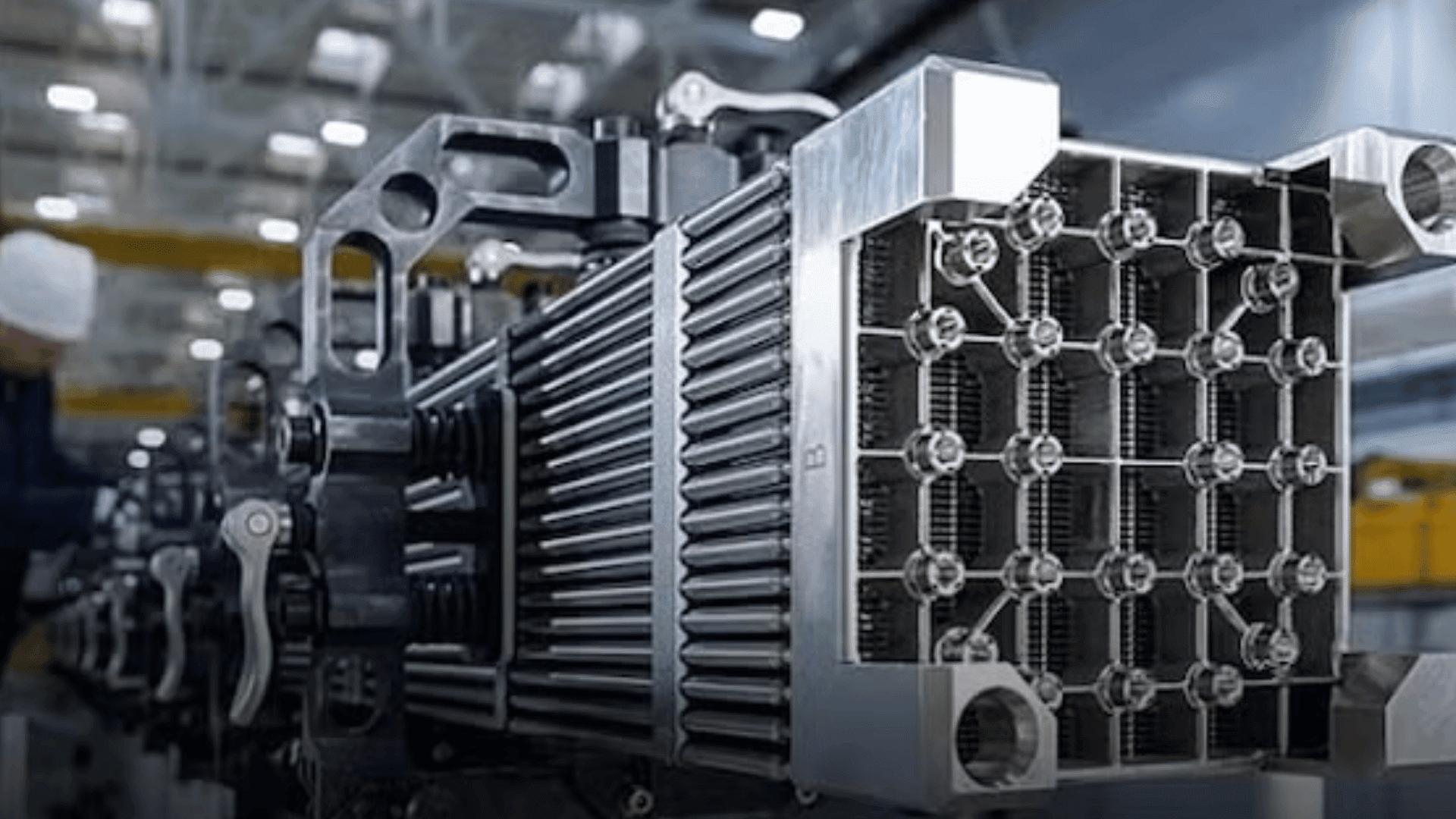

Computing usually involves chips and cooling fans, but a team at Queen’s University is trying something different. Led by Professor Bhavin Shastri, researchers have built a machine that uses pulses of light to solve problems that would leave a standard laptop, and even some supercomputers, stumped.
The machine focuses on “optimization problems.” These are tasks where you have to find the best possible answer out of a massive pile of options. Think about a delivery truck trying to find the fastest route for 50 packages.
“With five stops, there are only 12 possible routes,” Dr. Shastri explained. “With 10 stops, there are 180,000. With 20 stops, there are more than 60 million billion options. Increase the number to 50, and checking every possibility would take longer than the age of the universe.”
Built with Everyday Parts
What makes this project stand out isn’t just how fast it is, but what it’s made of. Instead of using custom-made parts or keeping the room at freezing temperatures, the team used off-the-shelf components. We are talking about the same lasers and fiber optics that already run our internet.
Because it works at room temperature, it doesn’t hog energy. Additionally, it’s surprisingly sturdy. While similar high-tech machines often crash after just a few milliseconds, this one can run for hours. This stability is key because hard problems, like figuring out how proteins fold for new medicines, require the computer to stay focused for a long time.
How Light Becomes a Solution
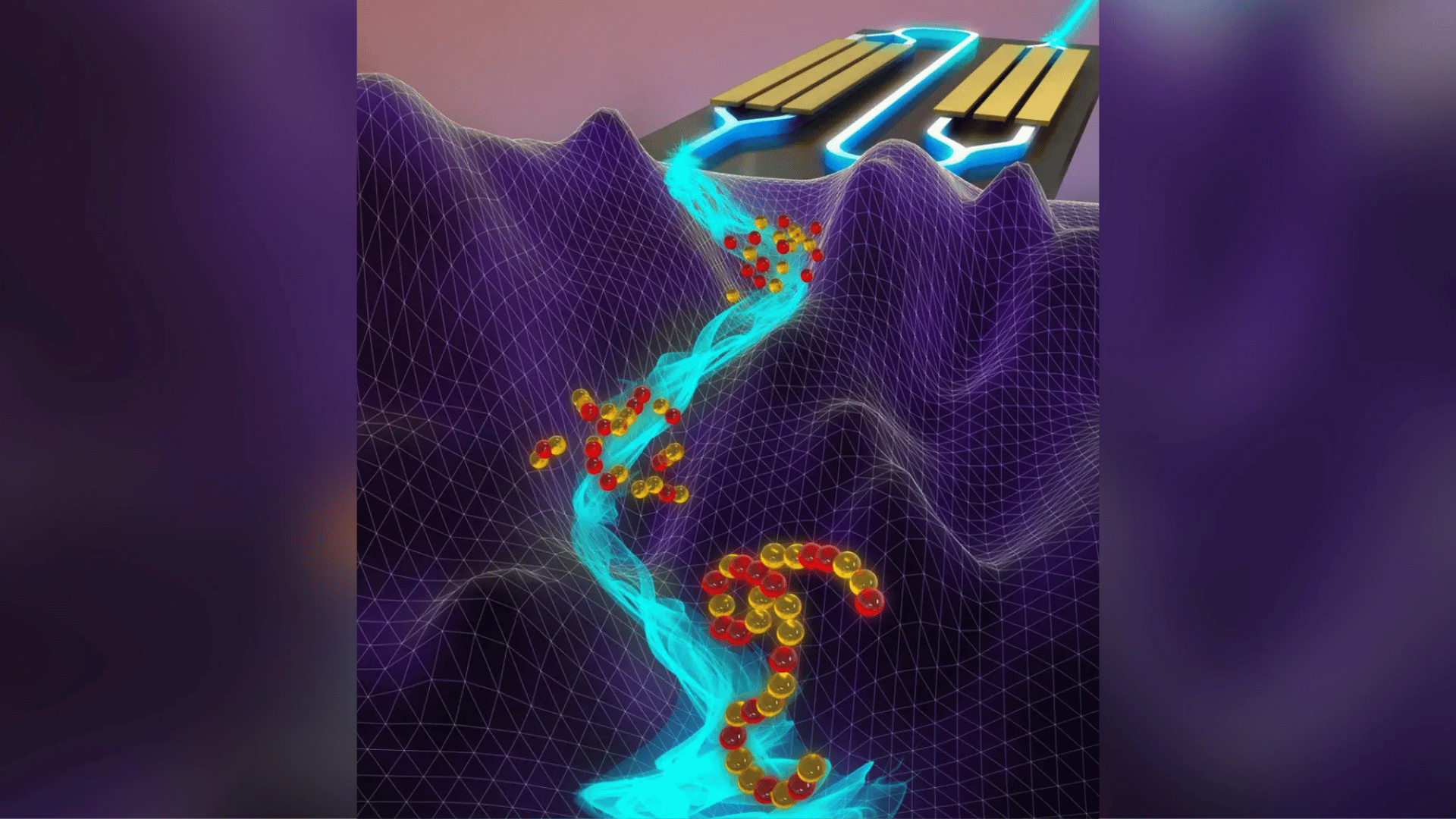
The tech is based on a century-old concept called the Ising model. Usually, this involves magnets that point up or down. As they interact, they naturally settle into the state that requires the least amount of energy. In math terms, that “low energy” state is the answer to the problem.
The Queen’s team swapped magnets for light pulses. These pulses travel through a loop and interact until they reach a consensus. As Dr. Shastri puts it, “It’s a way to turn light into a problem solver.”
Right now, the team is looking at how to make the system even bigger and more efficient. They hope to eventually partner with industries to use this light-based math for real-world tasks like urban planning and drug discovery.