Hearing loss can feel like living behind a thick, invisible wall. For people with conductive or mixed hearing loss, or single-sided deafness, standard hearing aids often aren’t enough. Cochlear has spent years developing its Osia System, a bone-conduction solution that bypasses damaged parts of the ear to deliver sound directly to the inner ear. Now, they are rolling out the next step: the Osia 3 Sound Processor.
The biggest update is power. It’s now the first fully rechargeable sound processor in its category. If you’ve ever had to fiddle with tiny, disposable hearing aid batteries, you know how frustrating they can be. This new version gives you up to 30 hours of use on a single charge. It even comes with a portable charging case, similar to what you’d use for wireless earbuds. You just drop it in the case when you aren’t using it, and you’re good to go.
Beyond the battery, the actual sound quality has been boosted. Cochlear added a new signal processing chip called Zaphium. It covers a wider range of frequencies and includes tech that helps filter out background noise so you can focus on a conversation. For someone in a busy coffee shop or a loud office, that makes a massive difference.
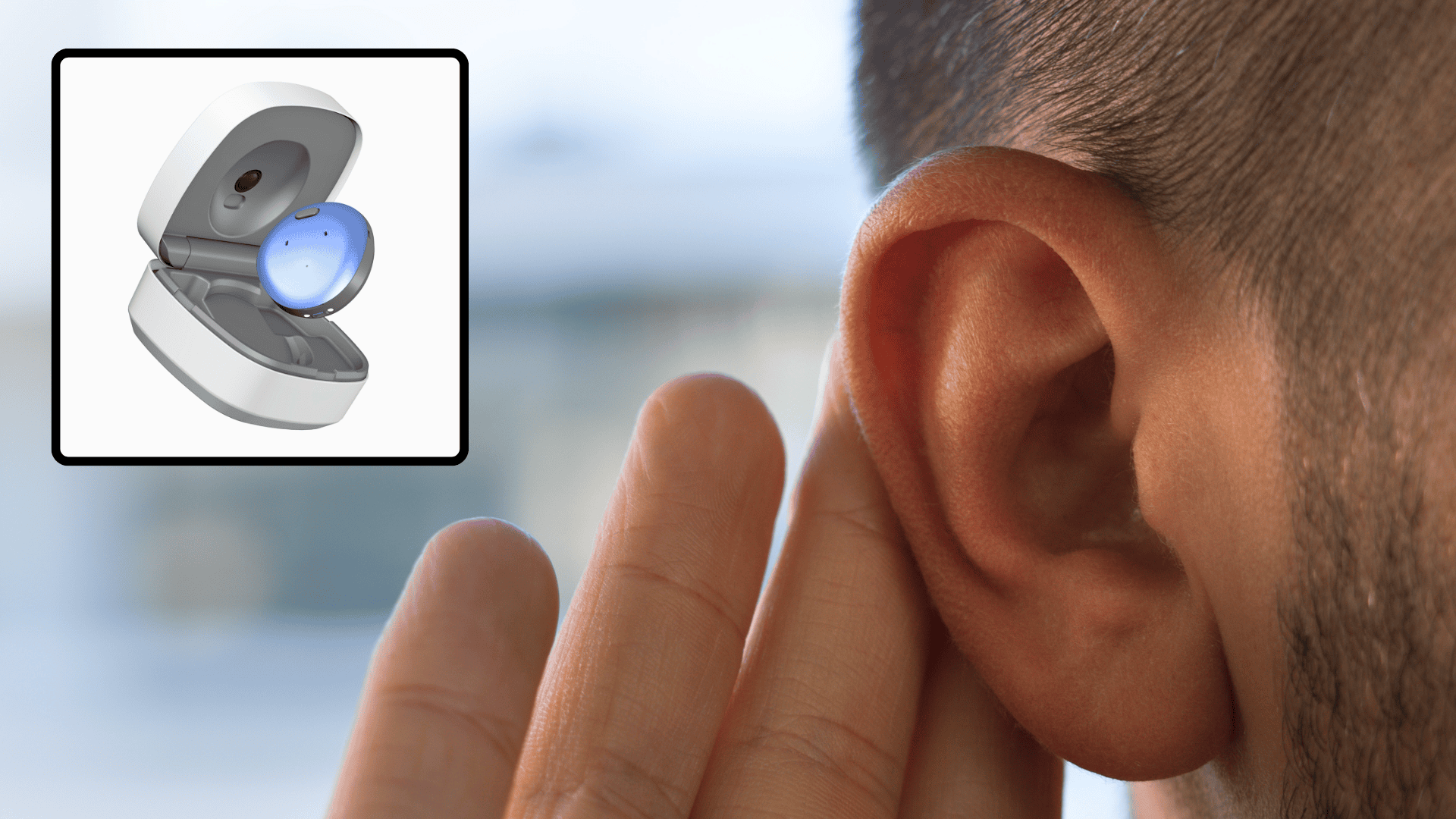
Dr. Fred Wamboldt, who uses the Osia 3 system, noticed the change immediately. He said, “Soon after surgery, I sat down in front of an old surround sound stereo I have and put on one of my favorite jazz albums. The horns were to my left, the saxophone to my right, the drums coming behind me; it was amazing. And that was just the start of the joy of what getting my hearing back with the Osia System has meant to me.”
Advertisement
There is also much more flexibility in how you connect to the world. The Osia 3 supports streaming from Apple and Android devices, as well as Bluetooth LE Audio. It also works with Auracast broadcast audio. This is a newer tech that lets you tune into shared audio systems in places like airports, movie theaters, or lecture halls.
For current Osia users, there is good news, too. If you already have an Osia implant, you can upgrade to the new processor without needing surgery. The system is backwards compatible.
Cochlear also updated the fitting process for doctors. They added wireless fitting and better data logging, which means your audiologist can spend less time configuring the device and more time making sure it works for you. They’ve even added a Remote Care feature, so you can handle some adjustments over a video call instead of driving to the office for every minor tweak.
The Osia 3 is expected to hit the U.S. market in early fall. It’s a practical step forward for anyone looking for a more convenient way to hear the world clearly.
 Read Exclusive Stories
 Bookmark & Save Articles For Later