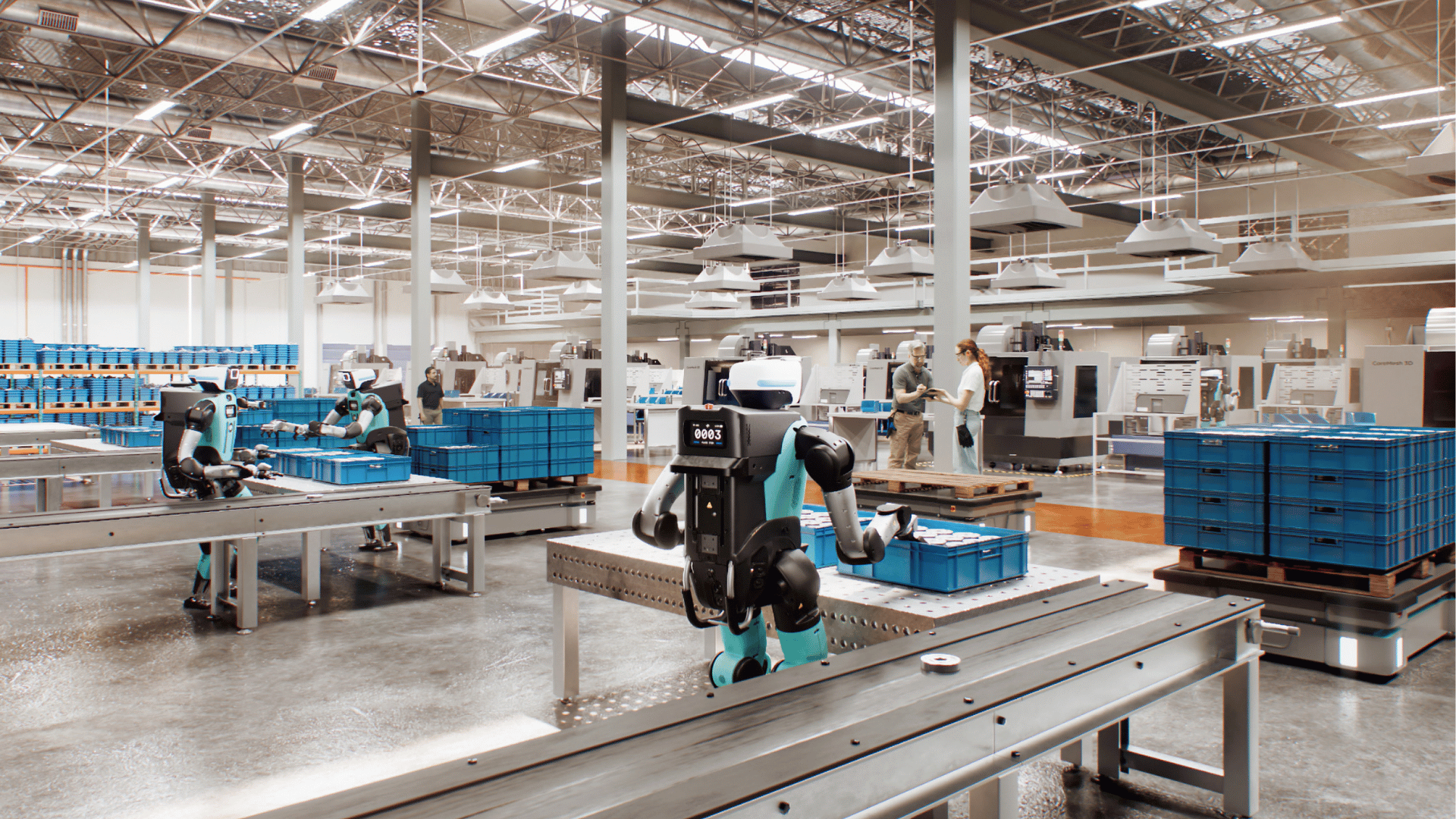
3D printing has changed the way that people think about manufacturing. While traditional manufacturing methods require cutting away at a solid block of material to create an object, 3D printing allows objects to be built layer by layer by a manufacturing machine.
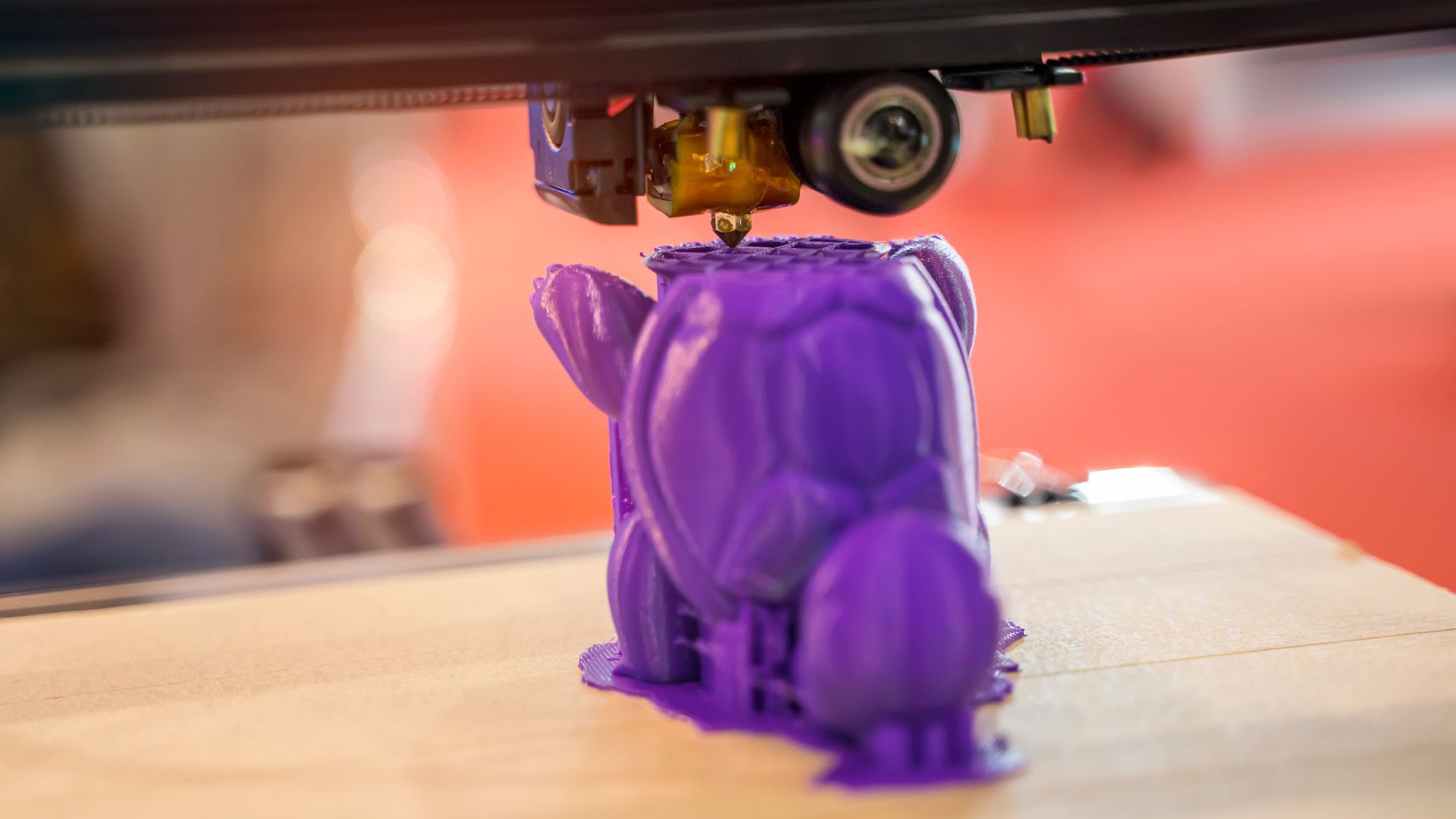
3D printing technology first emerged in the 1980s. Today, it is far more widespread thanks to greater access to 3D printers and materials, as well as the declining costs of 3D printing technologies.
How Does 3D Printing Work?
To start 3D printing, you need a digital model of the object to be printed. Such a model can be created from scratch with CAD software, or from a three-dimensional scan of the physical object to be printed.
After the object is digitally designed, that model is “prepared” by slicing software. This software divides the model into a series of thin layers, which will be printed by the 3D printer. Finally, the 3D printer builds the object by adding layers of material until the entire object is printed.
Because 3D printing technology uses only the material needed to print an object, it produces less waste than many other manufacturing technologies.
Advertisement
Where Is 3D Printing Used?
3D printing technology can be used to rapidly produce prototypes of a product before it is manufactured in large quantities. This manufacturing technology is also used to create medical implants, dental devices, and prosthetic limbs. Additionally, 3D printing is common in the aircraft, spacecraft, and nuclear industries. Researchers are also testing large 3D printers that can build homes from concrete and other construction materials.

What’s Next for 3D Printing?
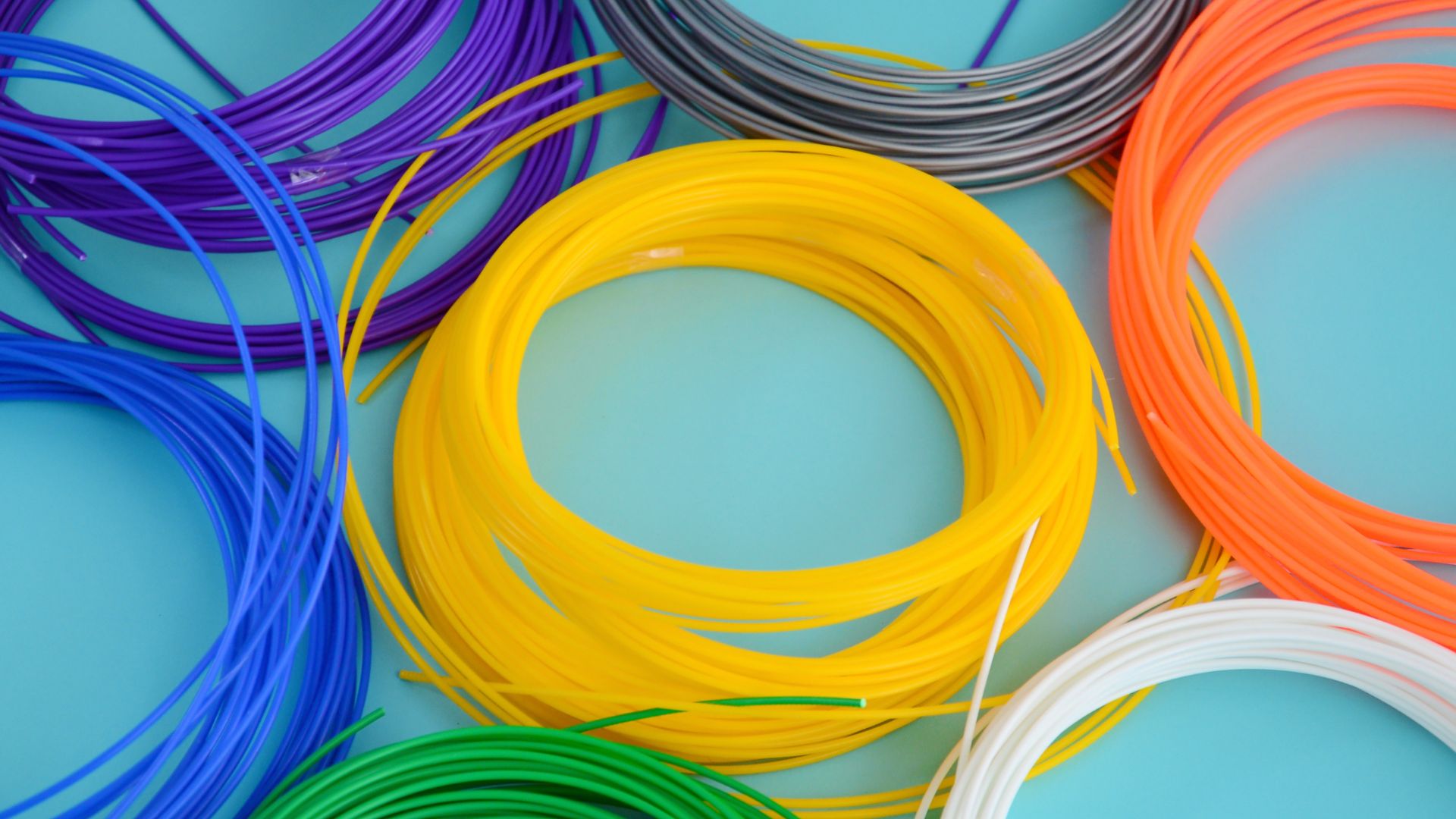
Currently, 3D printing technologies are used to create objects from plastics, metals, ceramics, resins, and even recycled materials. 3D printing researchers are working to create materials stronger than those currently printable with 3D printers, as well as to develop methods to print at higher rates.
While 3D printing is not ideal for high-volume manufacturing, it is valuable for creating custom and specialized products. As the technology continues to improve, it will likely play a larger role in manufacturing.
 Read Exclusive Stories
 Bookmark & Save Articles For Later