Deep inside Germany’s Asse II mine, about 126,000 drums of radioactive waste sit hundreds of meters below the surface. They have been there for decades. However, the problem is that the environment is damp, corrosive, and tough to navigate. Some drums are buried under salt, while others are scattered or stacked in a mess. Moving these safely requires a machine that doesn’t even exist yet.
An Automated Underground Job
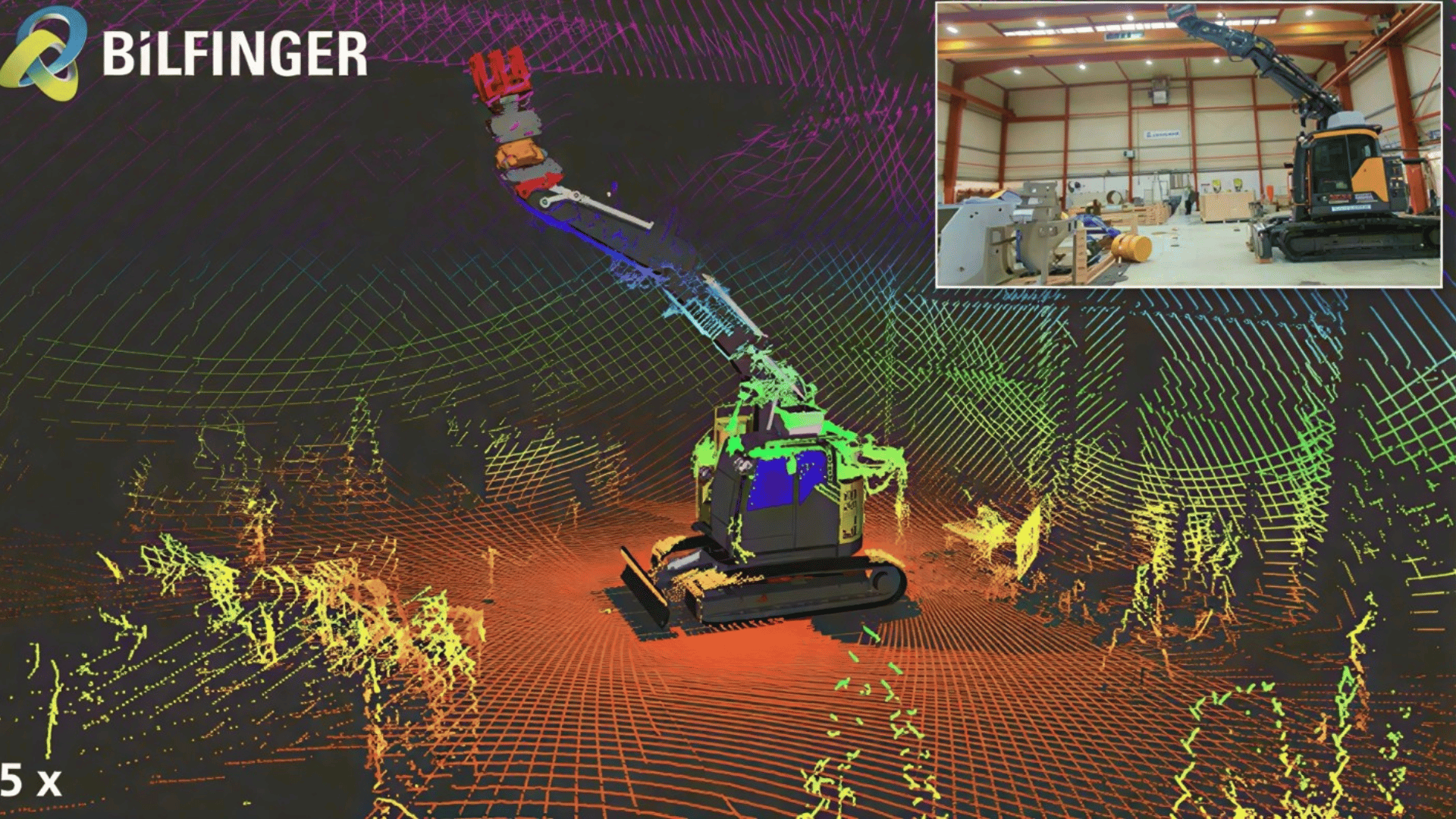
Bilfinger and the Fraunhofer IOSB team are building a special remote-controlled system for the Federal Company for Radioactive Waste Disposal. Their main tool is a highly automated test excavator with special grippers, cutters, and buckets.
This excavator has to work in extreme conditions. To make sure it works properly, the team built a digital twin of the mine that lets them test how the machine moves and carries weight before sending it down. It also helps them see if the mechanics, the sensors, and the software all work together.
Advertisement
Smart Tech to the Rescue
This automated tool will help keep people out of danger. Operators can control the excavator from a safe distance using high-tech assistance instead of just basic camera views.
Fraunhofer IOSB is helping with the smart technology part, bringing in years of experience from a research project that builds remote-controlled construction machines. The system uses 3D sensors and smart computer automation to help out.
The operator guides the tool to a spot, and the machine figures out the best path on its own. In the future, the team wants repeating tasks to be automated. This includes jobs like picking up a drum and placing it into a transport box. By working together, these companies are cleaning up the mine while building new skills that can help you or others in the future. The same technology can be used for cleaning up or fixing hard-to-reach or dangerous areas.
 Read Exclusive Stories
 Bookmark & Save Articles For Later