In 1980, Mount St. Helens erupted in Washington state. The blast wiped out hundreds of square miles of forest. It left behind a gray, lifeless landscape covered in volcanic ash. Scientists thought it would take decades for anything to grow back. But nature had other plans.

The First Green Shoot
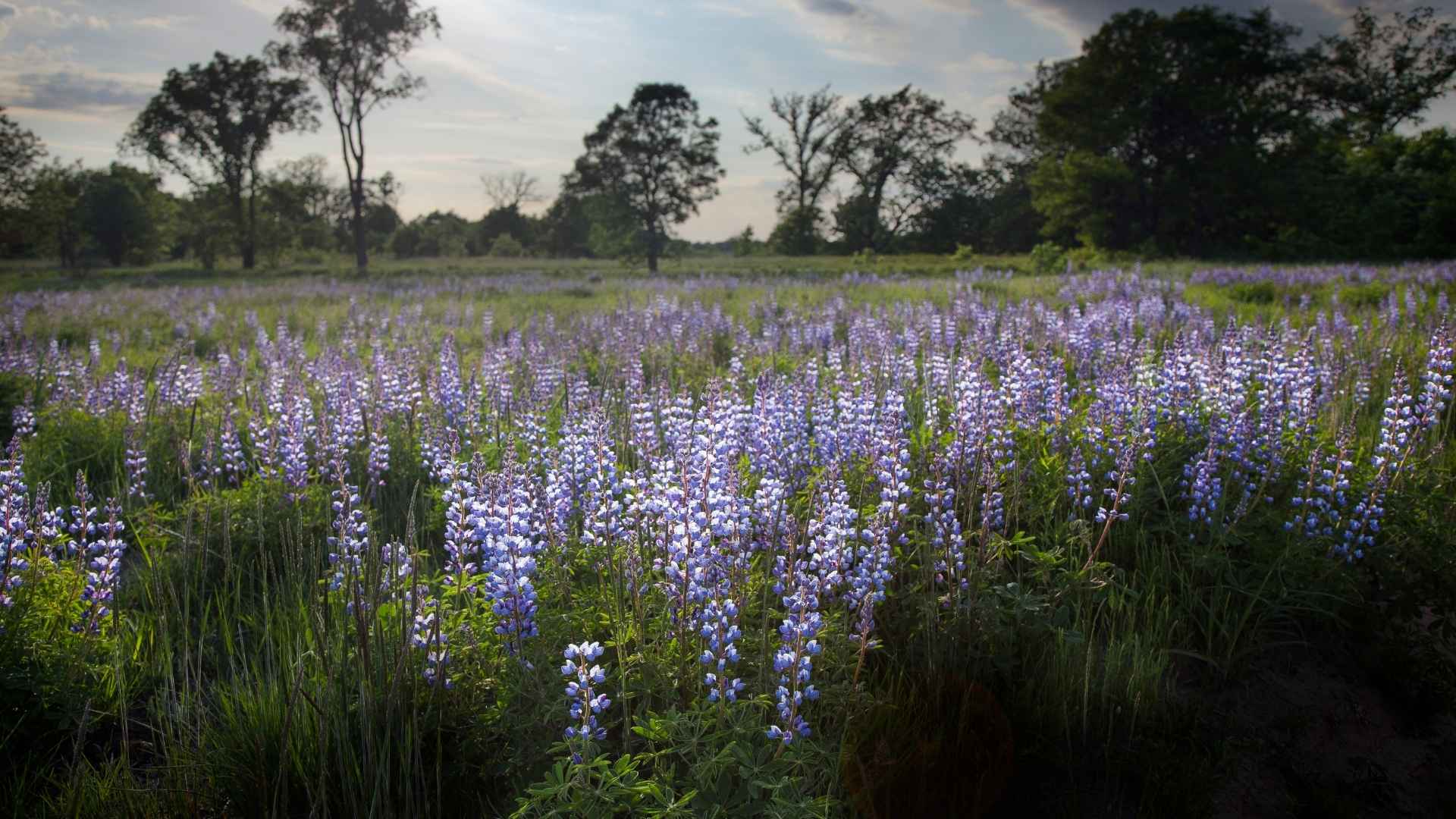
Just a few months later, a single green shoot poked through the ash. It was a prairie lupine. This plant didn’t just survive; it thrived. Lupines have a special ability to take nitrogen from the air and put it into the soil. By doing this, they made the ground fertile again. They paved the way for insects, birds, and other plants to return. Today, that once-barren wasteland is a forest again.
Nature is full of these stories. Some pinecones stay tightly closed for years. They need the intense heat of a forest fire to crack open and release their seeds. The fire appears to be destruction, but it is actually the trigger for new life.
Learning From the Wild
Advertisement
Human beings work the same way. We see this all the time in the world of science and technology. Think about the field of biomimicry. This is where engineers study nature to solve human problems. Right now, scientists are looking at how desert plants survive years of drought. They are using those findings to create new ways to store water in cities facing climate change.
We also see it in our own history. The biggest breakthroughs in art, medicine, and community rarely happen when everything is easy. They happen when things get tough. When we face big challenges, we are forced to think differently.
Innovation Born From Hardship
Think about how we handle energy today. The fear of resource scarcity pushed us to look at the sun and the wind. Now, we have solar panels and wind turbines powering millions of homes. The challenge forced the innovation.
Here is the thing. Hard times can feel like the end of the story. But just like the lupine on the volcano or the pinecone in the fire, pressure changes things. It forces us to adapt.
The future isn’t about avoiding obstacles. It is about how we respond to them. When we use our minds to solve hard problems, we aren’t just surviving. We are building the world of tomorrow.
So the next time you face a major setback, remember the forest. Growth doesn’t always happen in the sunshine. Sometimes, it starts in the ash.
 Read Exclusive Stories
 Bookmark & Save Articles For Later