We rely on rare earth elements to help power electric car motors, wind turbines, smartphones, and other daily electronics. However, they are called rare earth elements for a reason. The elements are extremely difficult to mine because they are scattered in tiny amounts.
Researchers at Georgia Tech discovered a surprising new source for these materials: coal fly ash. In the United States, about 2 billion tons of this industrial waste are stored in landfills and ponds. When coal is burned, it leaves behind ash that contains small amounts of rare earth elements.
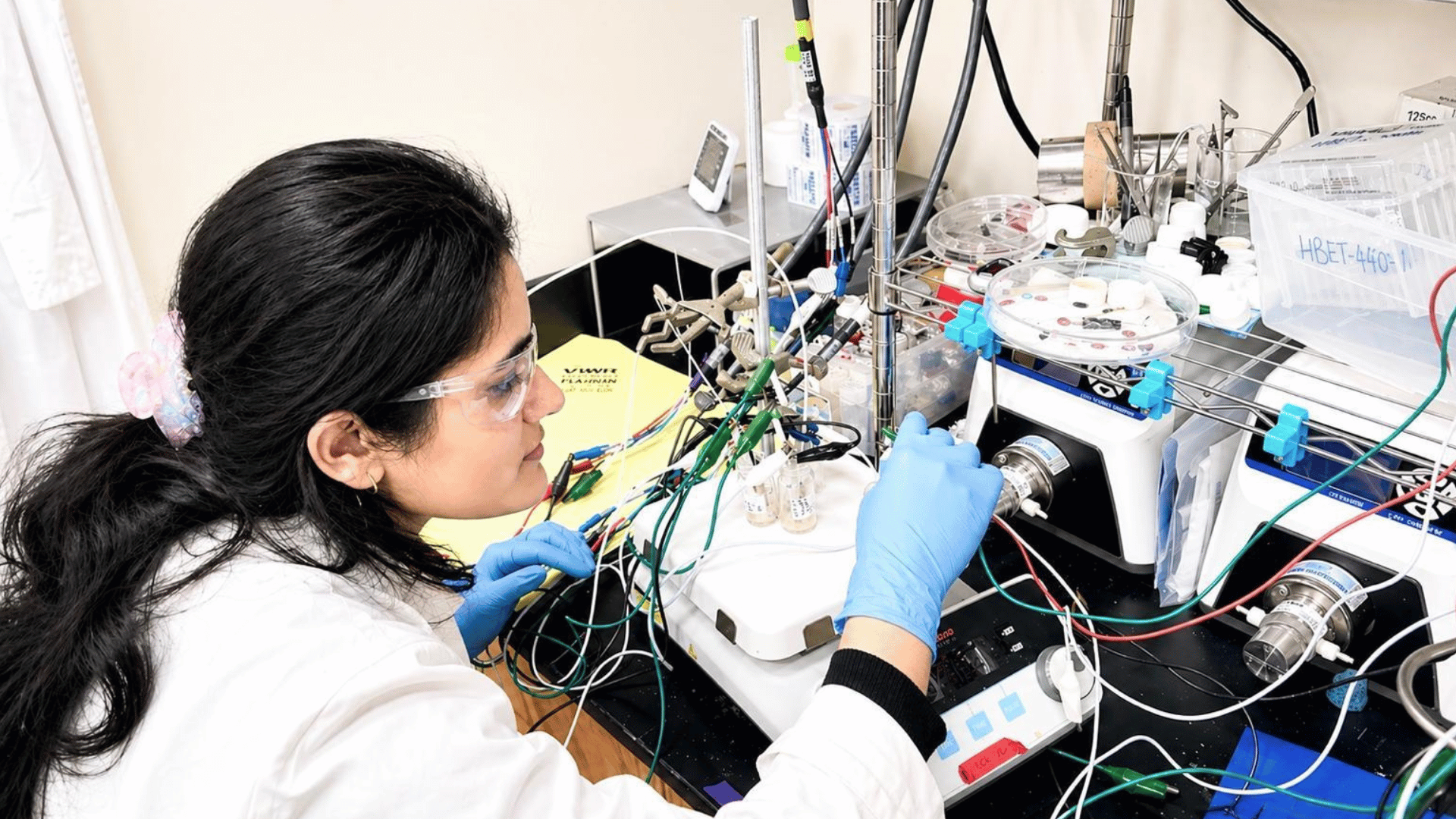
Anuja Tripathi, a postdoctoral researcher at Georgia Tech, teamed up with professors Ching-Hua Huang and Xing Xie to find a way to extract these elements. “I used to see ash settling on our terrace from time to time and thought it was just waste,” Tripathi said.
A Cleaner Method for Extracting Rare Earth Elements
Getting rare earth elements out of ash is tough, and doing it in an environmentally friendly way is even tougher. Most methods today use very high heat, large amounts of water, or harsh chemicals.
Advertisement
The research team tried a new approach by building a system that uses a recyclable ionic liquid. This liquid is a stable, salt-based substance. It separates the rare earth elements from the ash and uses an electrical current to help collect them. The recovered elements gather on a surface, making them easy to remove. Afterward, the liquid can be cleaned and used again.
“The beauty of this system is that it works beyond the limits of water,” Tripathi said. “The ionic liquid allows us to recover rare earth elements under conditions that water-based systems just can’t handle.”
Broadening Extraction Techniques
This process can also target specific materials using lower voltages. The system is able to pick out neodymium, which is important for making strong magnets. In tests, the team managed to recover almost half of the neodymium present.
At the moment, this method only works in small batches. The next step is to see if it can be scaled up for commercial use. If successful, this approach could also help recover valuable metals from old batteries, discarded electronics, and medical waste.
 Read Exclusive Stories
 Bookmark & Save Articles For Later