Making cement is one of the dirtiest jobs on the planet. To make cement, factories have to heat the limestone to around 2,600 degrees Fahrenheit. That process requires a ton of fossil fuels and releases carbon dioxide into the atmosphere. Cement is responsible for about 8% of global carbon dioxide emissions.
However, researchers at the University of British Columbia have figured out a way to make cement using electricity rather than limestone and massive amounts of heat.
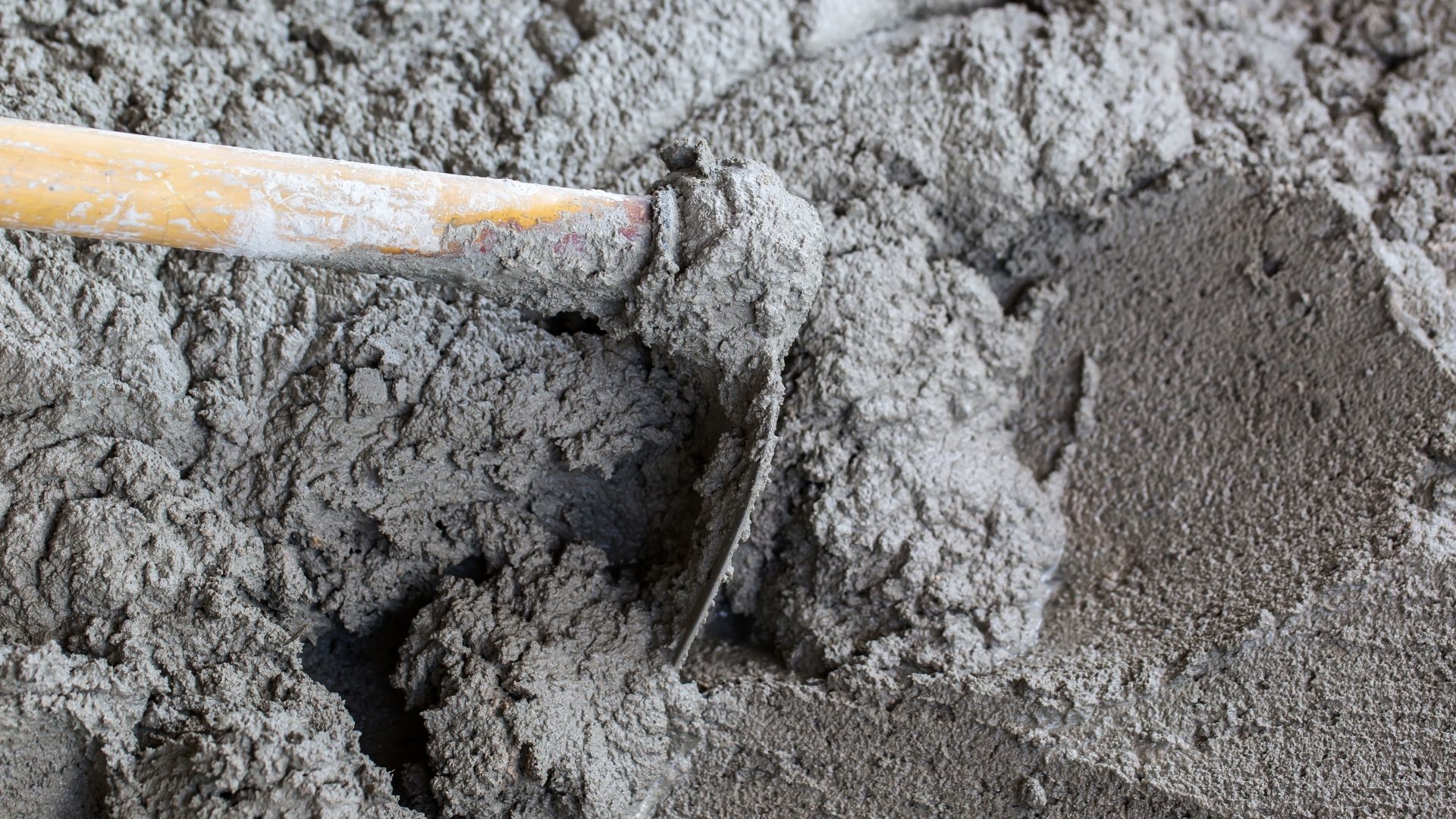
A massive drop in heat
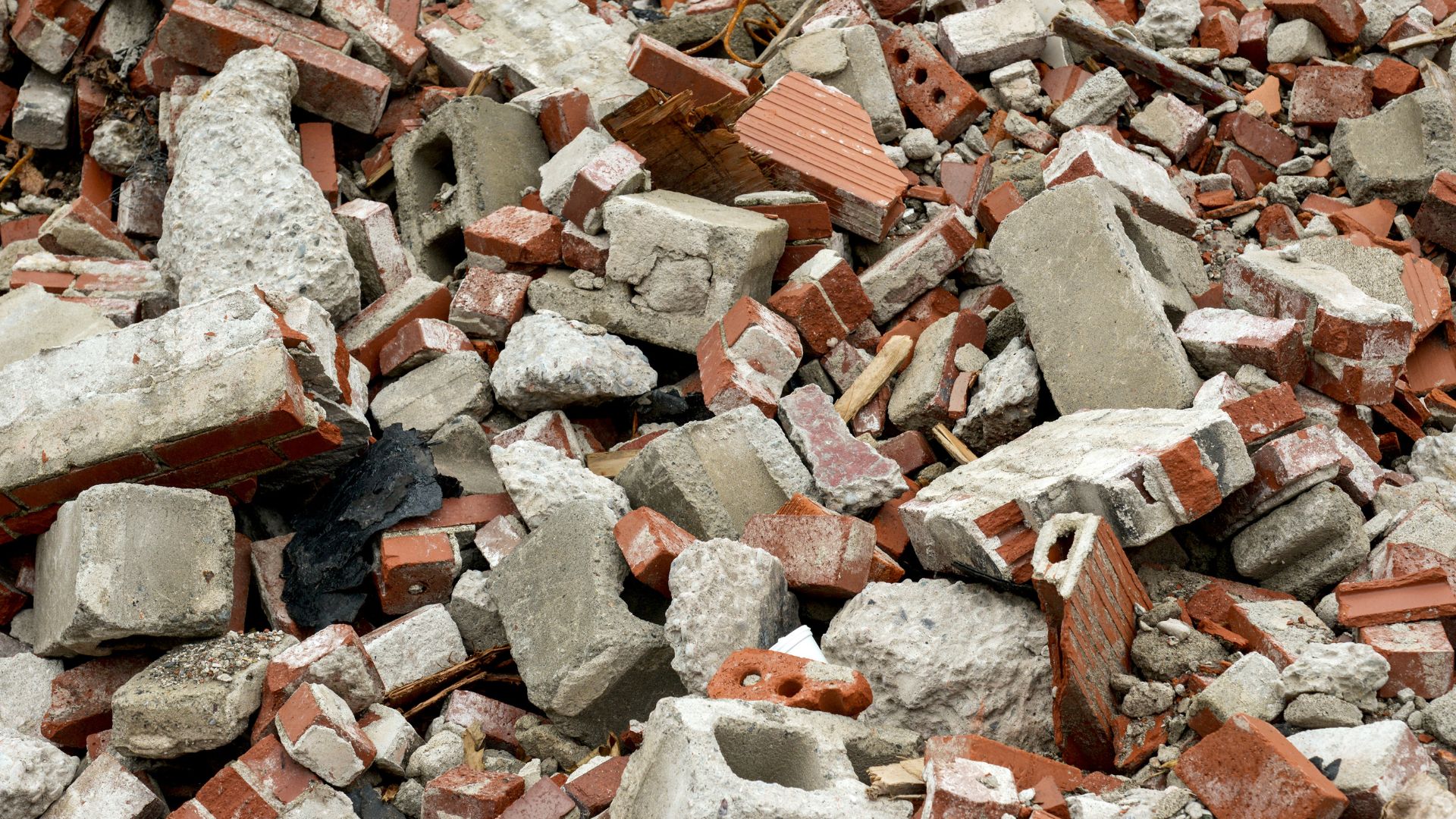
Instead of using limestone, these researchers use waste cement from demolished buildings. This material is placed into an electrochemical cell, which is basically a huge battery using a liquid chemical compound and electricity. This process occurs at 140 degrees Fahrenheit, the temperature of a hot cup of coffee. Rather than using massive amounts of fossil fuels to heat the cement to 2,600 degrees, this process saves 70% of the energy needed.
Using old buildings to make new ones
Advertisement
The compound is then heated to 1,200 degrees in a kiln to harden the cement. This is half the heat required by traditional methods of making cement. Furthermore, because they use recycled cement throughout the process, they have reduced the entire process’s carbon footprint by 98%.
This process solves two problems at once. First, it allows the planet to no longer be overrun with construction waste. Second, it allows the construction of new buildings without worsening the environmental situation.
Of course, there are a few limitations to this process. The electrochemical cells have yet to be developed on a large scale to meet the volume of cement required by construction companies. Additionally, the cement that they created, called belite, takes a while to fully cure. It is perfect for constructing dams or other large-scale projects, but it is not yet prepared for high-rise construction.
However, cement does not have to be made the same way as the ancient world to build the modern one. All that is required is a shift in thought regarding the use of old construction buildings.
 Read Exclusive Stories
 Bookmark & Save Articles For Later