If you hold a high-quality porcelain bowl up to a window, you can usually see the faint glow of the sun right through the bottom. It looks delicate, almost like it’s made of frozen cream. But porcelain is actually one of the toughest materials humans have ever made. In the world of creation, it represents the ultimate challenge of turning raw earth into something that mimics light.
The “Space Race” of the 1700s
For a long time, the recipe for porcelain was a massive industrial secret. Chinese potters had it figured out for centuries, but European makers were obsessed with finding their own version. In the 1700s, this was the equivalent of the space race. Alchemists and thinkers spent years mixing different minerals, trying to get that perfect white, glass-like finish. They weren’t just making dishes; they were trying to master material science before that was even a formal field of study.
The Chemistry of Light and Earth
Advertisement
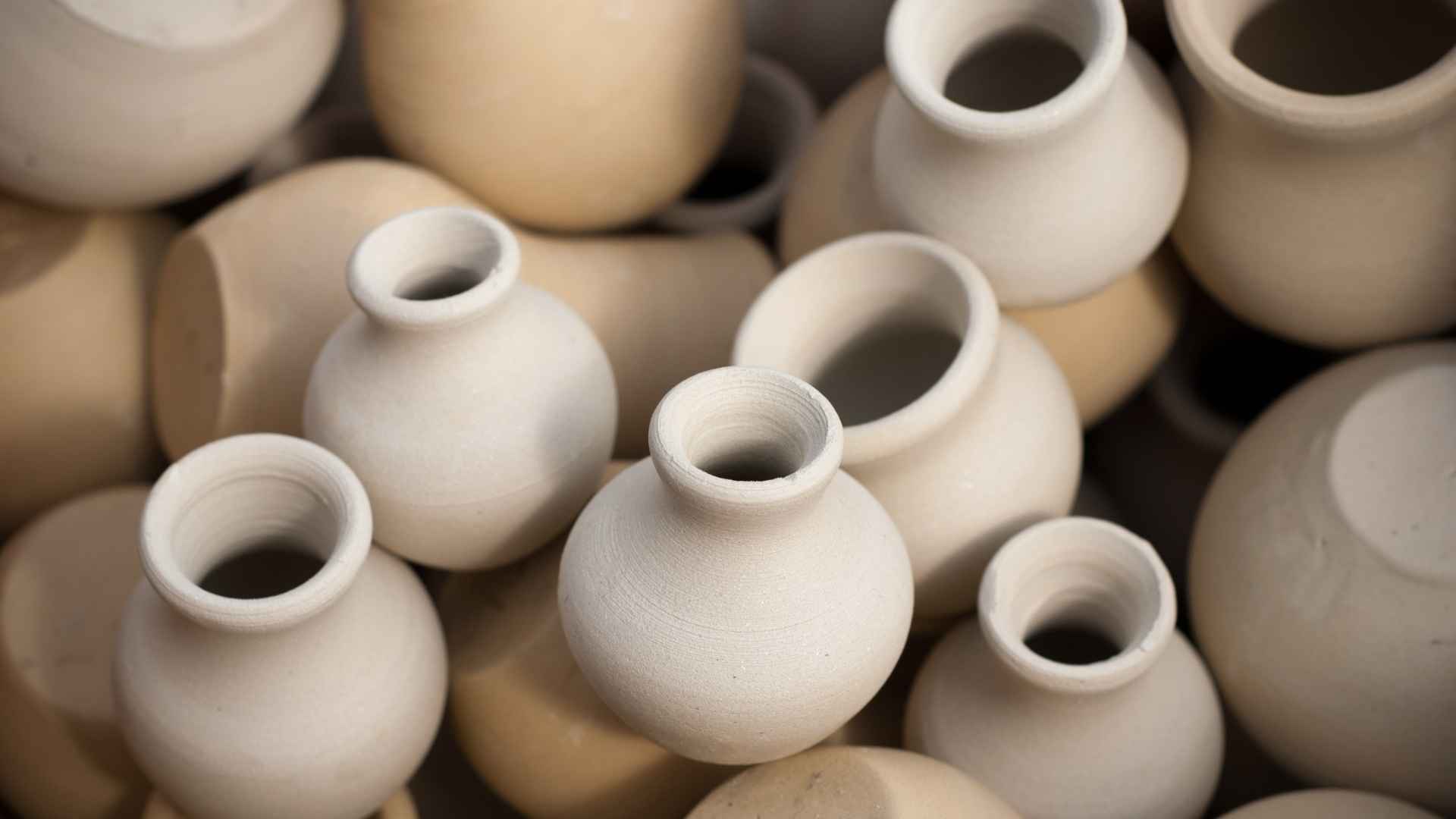
The secret ingredient is kaolin, a type of clay. When you mix it with a type of stone called petunse and fire it at incredibly high temperatures, the minerals actually fuse into a dense, non-porous surface. Here’s the tricky part: porcelain is famously difficult to work with. It’s “short,” which means it doesn’t have much elasticity. If you try to pull it too thin on a pottery wheel, it often collapses. If you get it right, you can make bowls that are paper-thin, yet strong enough to last for generations.
Engineering Beauty Under Pressure
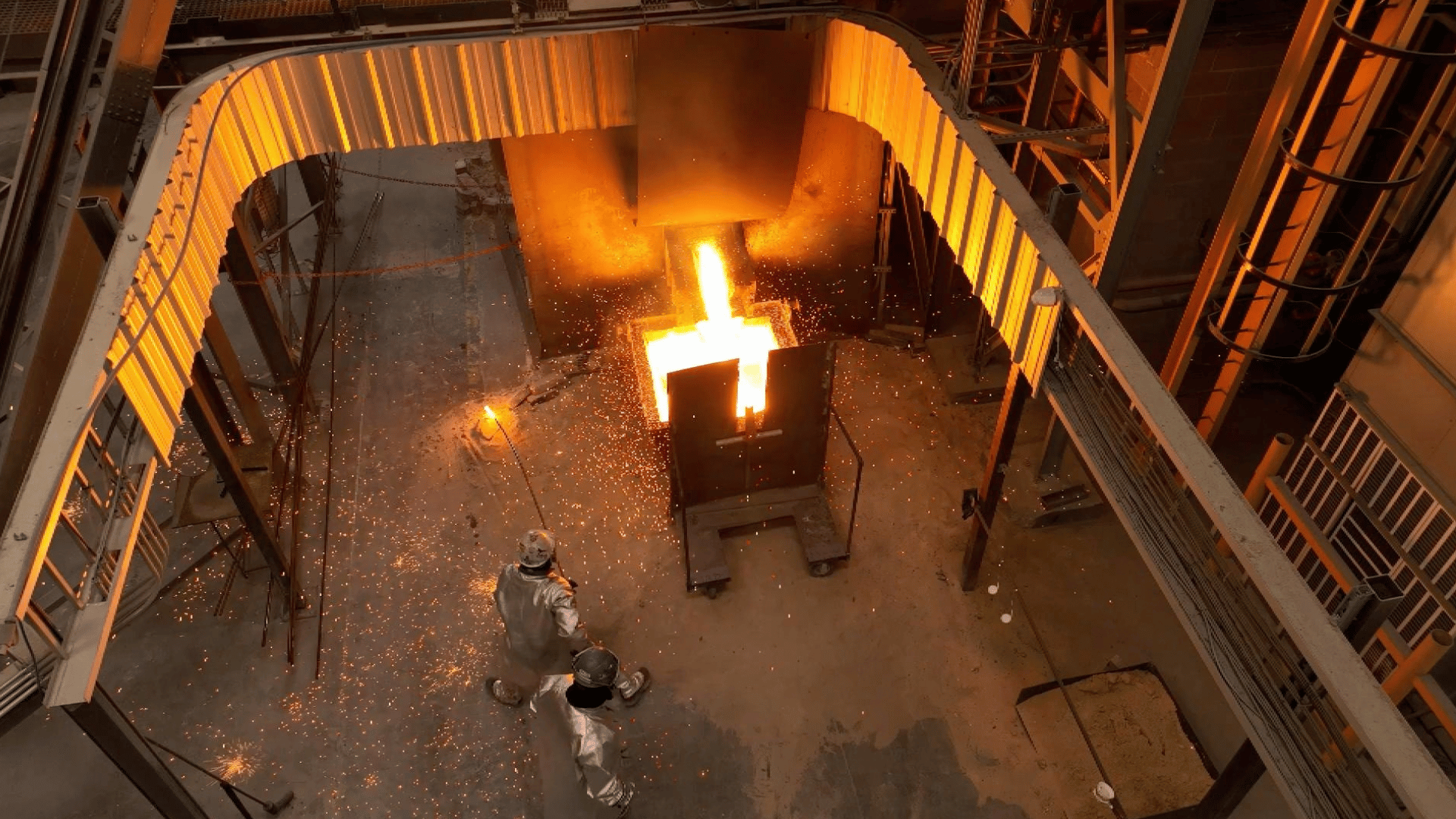
This process teaches us a lot about how materials behave under pressure. When porcelain is placed in a kiln, it shrinks significantly. This happens because water leaves the clay, and the particles pull together tightly. If the temperature is off by just a few degrees, the piece might warp or crack. If it gets too hot, the whole thing can literally melt into a puddle of glass on the kiln shelf. It requires a level of precision that bridges the gap between traditional art and modern engineering.
Porcelain is an example of ideas becoming reality. It started as a luxury item that people fought to replicate, and today, those same principles of ceramic engineering are used in everything from dental implants to heat shields on spacecraft. The next time you drink out of a ceramic mug, think about the chemistry involved. It’s not just a hobby or a craft. It’s a centuries-old innovation that taught us how to manipulate the earth’s molecules to create something beautiful, functional, and surprisingly tough.
 Read Exclusive Stories
 Bookmark & Save Articles For Later