Plug-in hybrid electric vehicles—known as PHEVs—bring together the best of both worlds. They let you drive on electricity for most of your daily trips and use gas when you need to go further. Here is a look at how these innovative vehicles operate.
“Plug-in hybrid electric vehicles (PHEVs) use batteries to power an electric motor and another fuel, such as gasoline, to power an internal combustion engine (ICE).”
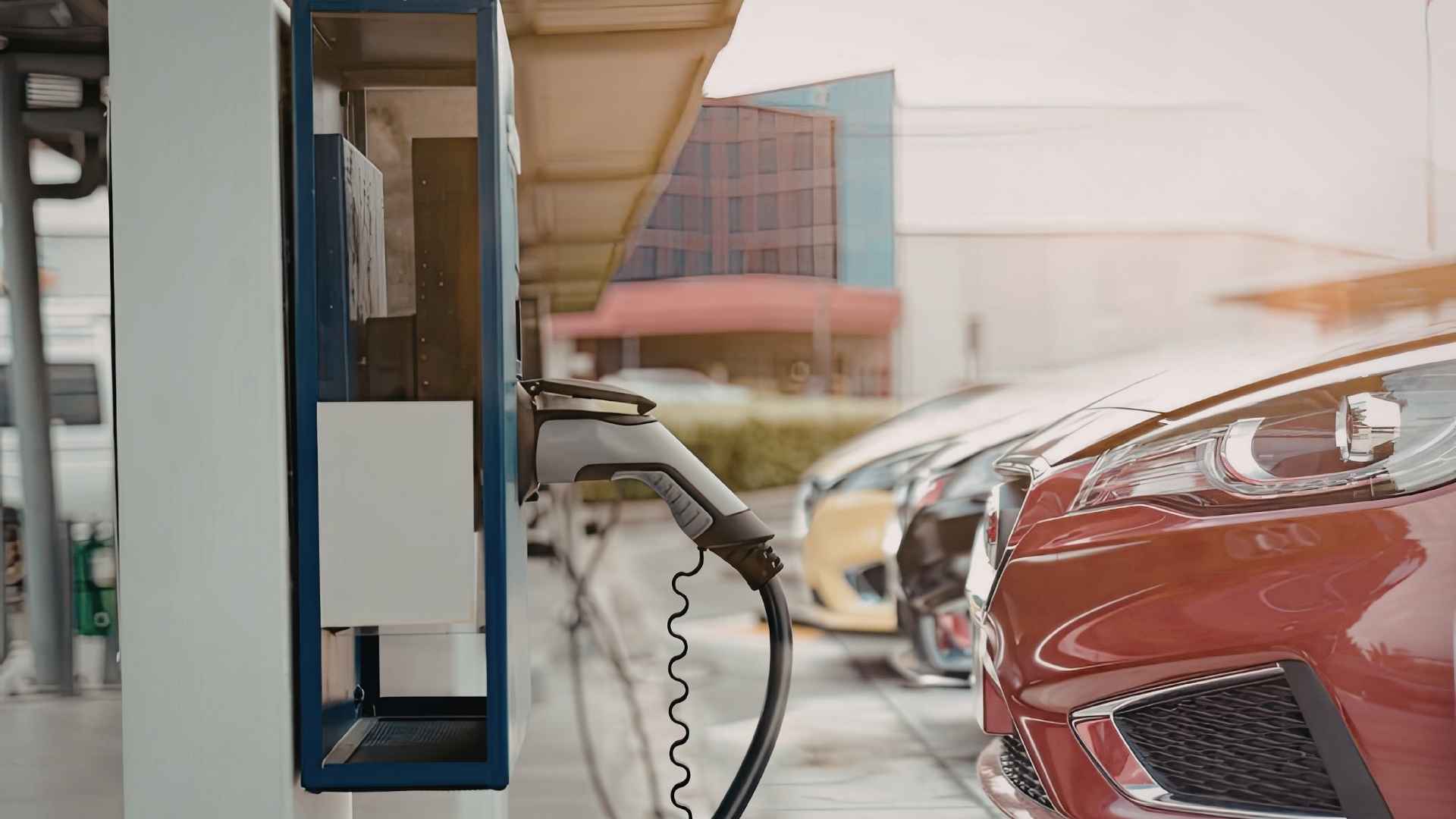
The car runs on electric power until the battery gets low. When that happens, the system shifts automatically. “The vehicle typically runs on electric power until the battery is nearly depleted, and then the car automatically switches over to use the ICE.”
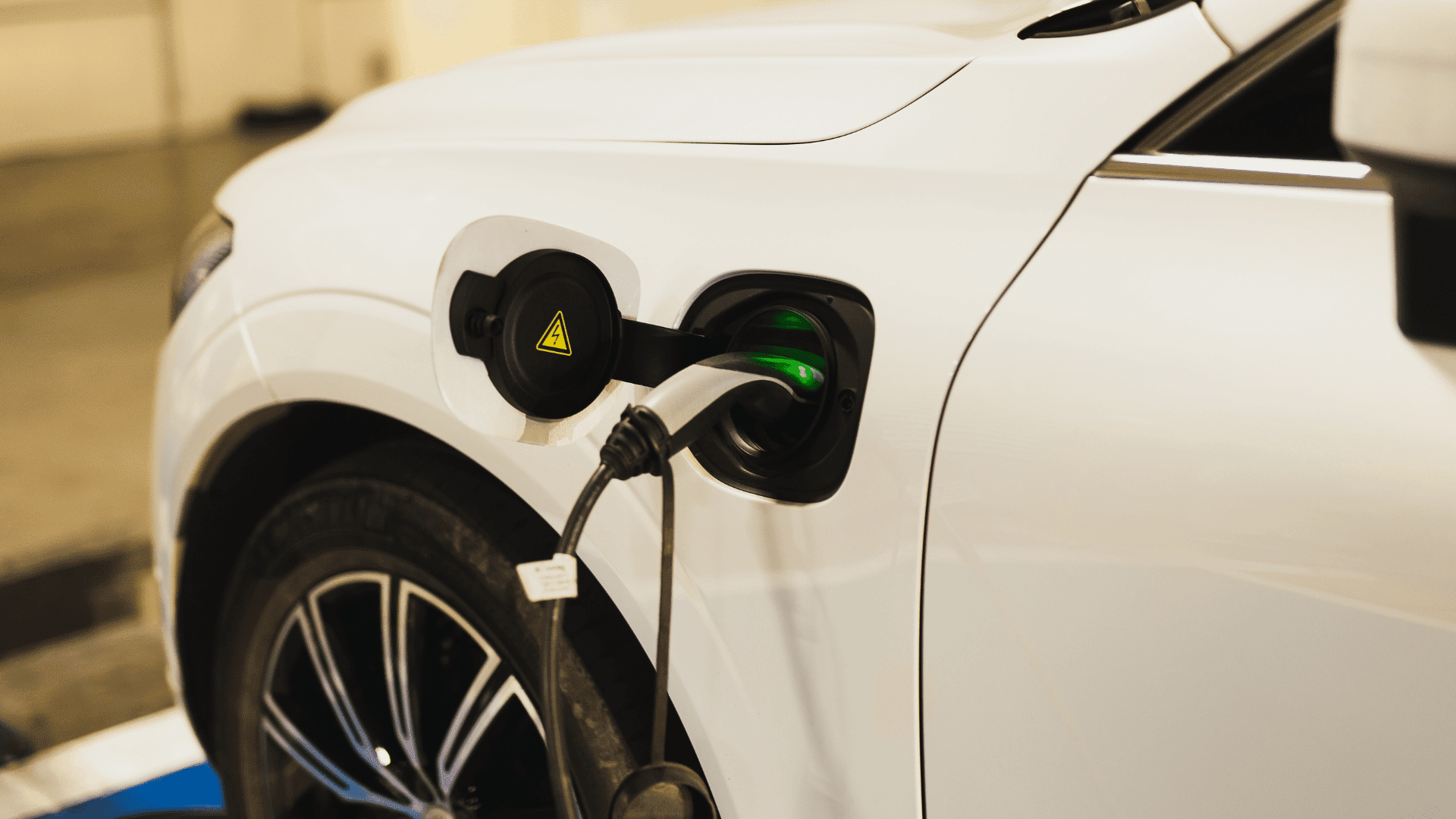
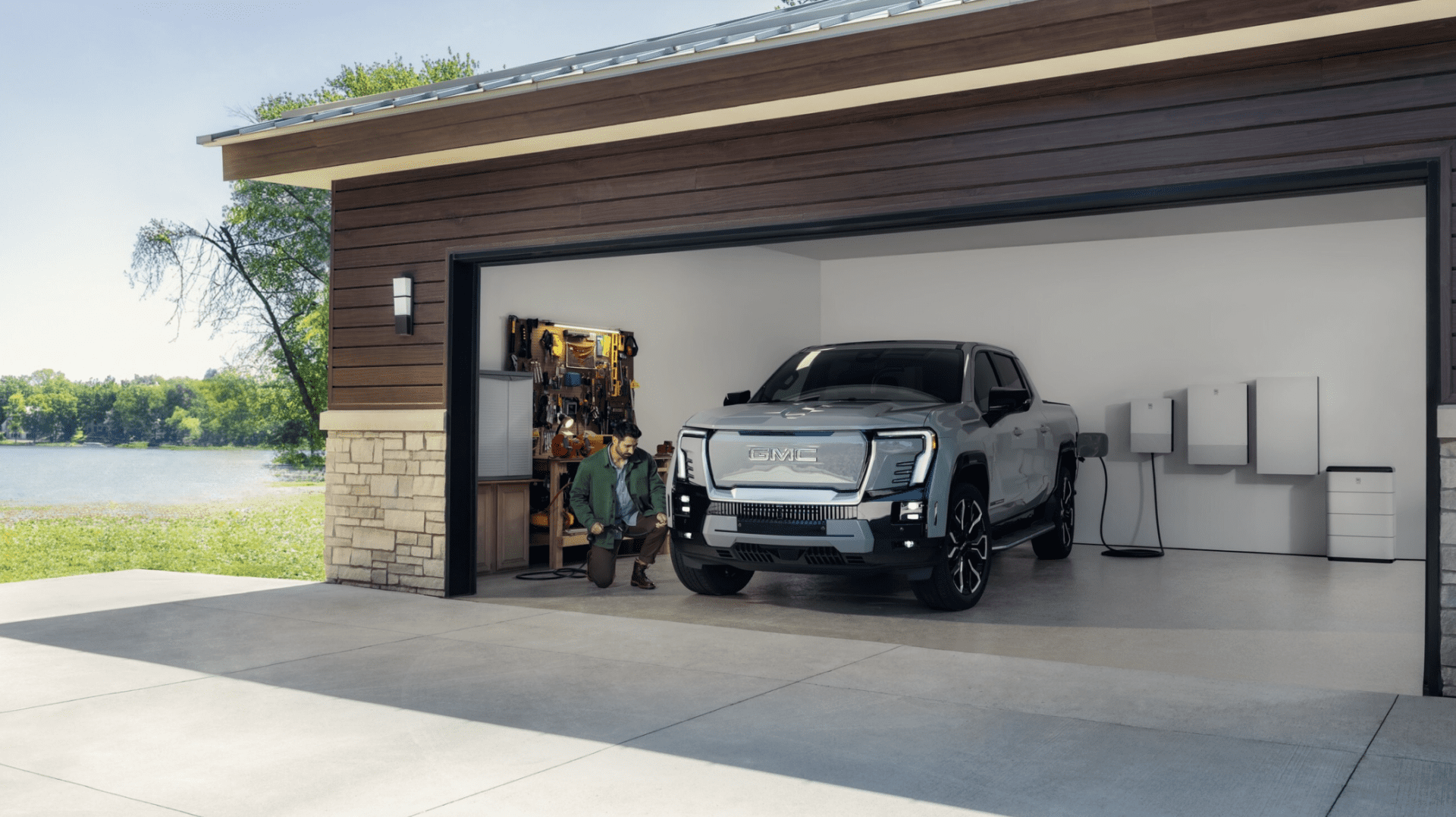
But how do you charge it up? You can plug it into a wall outlet or charging equipment. But here is the thing: the car also charges the battery while you drive, either using the internal combustion engine or through regenerative braking.
Advertisement
How the Parts Work Together
There are a lot of parts working together behind the scenes. Here are some of the key components that keep things running smoothly:
- Traction battery pack: This stores electricity for the electric traction motor.
- Electric traction motor: Using power from the traction battery pack, this motor drives the vehicle’s wheels.
- Internal combustion engine: In this configuration, fuel is injected into either the intake manifold or the combustion chamber, where it is combined with air, and the air/fuel mixture is ignited by the spark from a spark plug.
- Onboard charger: This takes the incoming AC electricity supplied via the charge port and converts it to DC power for charging the traction battery.
- Electric generator: This generates electricity from the rotating wheels while braking, transferring that energy back to the traction battery pack.
Along with these, you have a thermal system to maintain a proper operating temperature range, an exhaust system to channel exhaust gases out through the tailpipe, and a DC/DC converter that converts higher-voltage DC power to lower-voltage DC power to run vehicle accessories.
Every piece has a job. The power electronics controller manages the flow of electrical energy. The transmission transfers mechanical power from the engine or motor to the wheels. So you get a vehicle ready for everyday tasks without losing freedom on longer trips.
 Read Exclusive Stories
 Bookmark & Save Articles For Later