Keeping kids entertained when school is out can be a challenge. But some of the best activities do not require expensive kits. You can find everything you need right in your kitchen. Ice cube painting is a simple project that keeps kids cool while teaching them basic science concepts. It blends creativity with hands-on learning, making it a perfect backyard activity for a sunny day.
How to set up the project
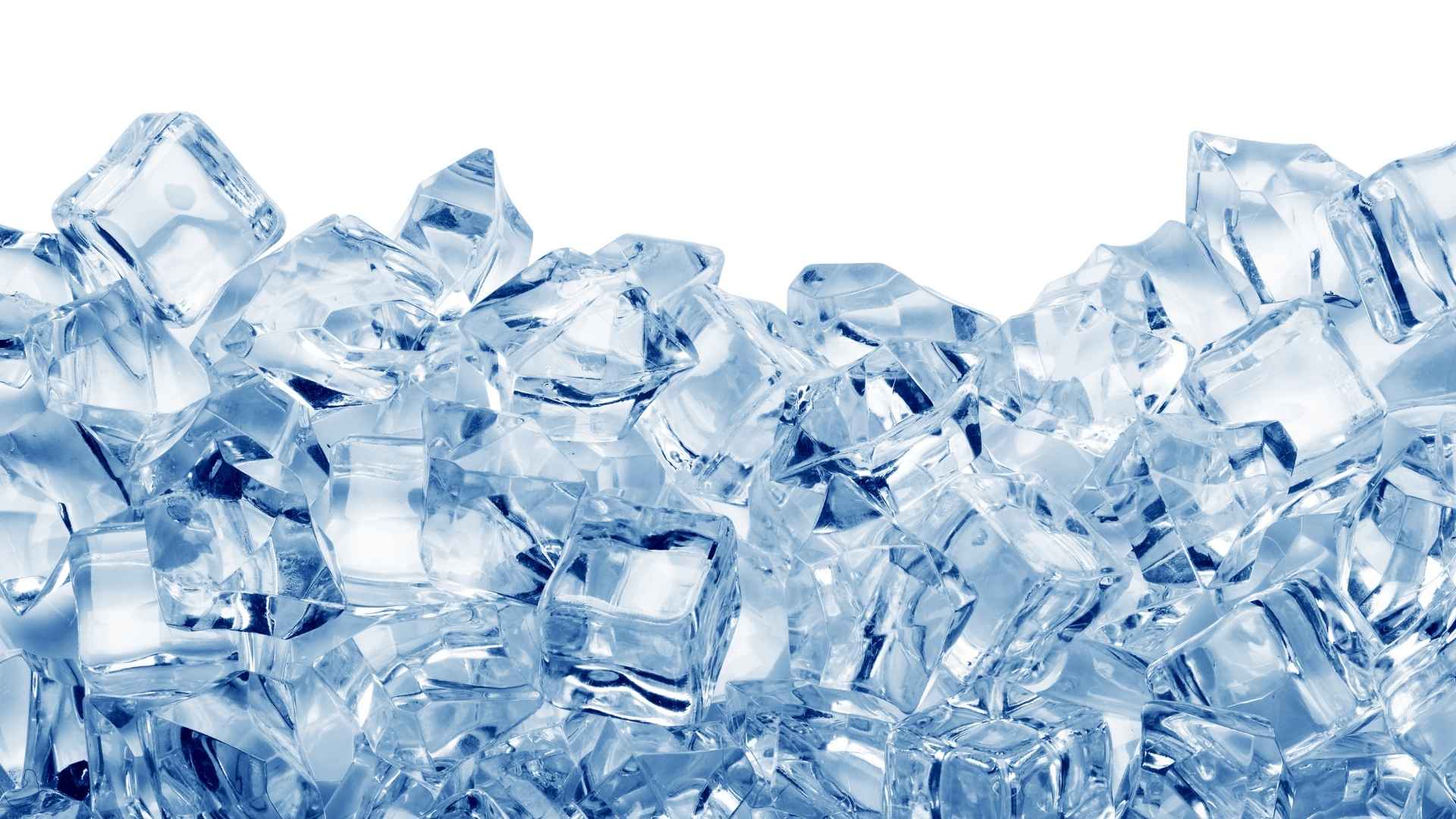
To start, you just need a standard ice cube tray, water, liquid food coloring or washable paint, craft sticks, and heavy paper. Regular printer paper will get too soggy, so cardstock or watercolor paper works best.
Fill the tray with water and add a few drops of color to each well. Put a craft stick into each section to act as a handle, then place the tray in the freezer. Once the blocks are frozen solid, the fun begins. Kids can hold the sticks and glide the melting ice across the paper. The experience is highly sensory. Children can feel the cold air coming off the blocks and watch the solid ice turn into a colorful liquid right before their eyes.
The science behind the fun
This activity is a great introduction to STEAM (science, technology, engineering, art, and math) concepts. According to organizations like Science World, projects like this help children understand states of matter. As the ice melts, you can talk to your kids about how temperature changes a solid into a liquid.
It is also an easy way to teach color theory. If you freeze primary colors like red, blue, and yellow, kids will notice something interesting as they paint. When the blue ice melts into the yellow puddle on the paper, it turns green. This allows them to see the cause-and-effect of color mixing in real-time.
Why process art matters
Beyond the science, moving the ice sticks around helps young children build fine motor skills and hand-eye coordination. It is an example of process art, where the focus is entirely on the experience of creating rather than making a perfect final product. There are no rules, no lines to stay inside, and no wrong answers.
When the painting is done, cleanup is incredibly simple. If you set up the activity outside on a patio or a picnic table, you can just rinse the area down with a garden hose. The paper dries with a beautiful, soft watercolor effect, leaving your kids with a unique piece of abstract art and a little extra scientific curiosity.
 Read Exclusive Stories
 Bookmark & Save Articles For Later