Scientists have been trying to figure out how to use tiny robots to treat diseases for years. Their plan is to send a miniature machine into the body, have it find a problem like a tumor, and drop off medicine right where it’s needed. However, making these bots safe and cheap is hard.
Now, a team from Caltech and USC has found a way to simplify the whole process. Instead of building complex shells, they decided to turn tiny bubbles into the robots themselves. Their research, published in Nature Nanotechnology, shows how these “bubble bots” successfully treated bladder tumors in mice.
Turning Bubbles Into Engines
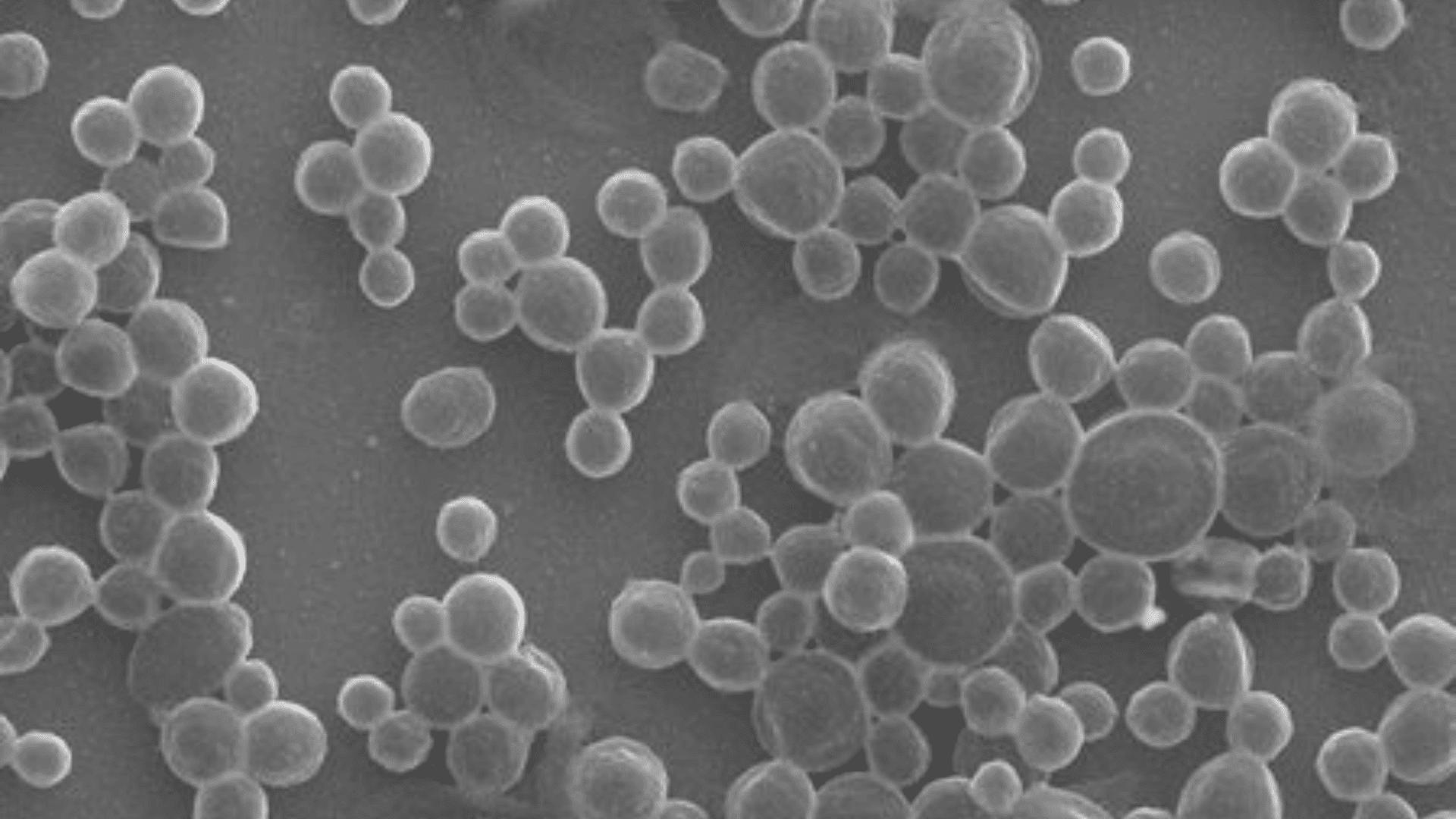
In the past, these types of microrobots were made in specialized labs using 3D printers and jelly-like materials. This time, the team used an ultrasound probe to shake up a protein solution, creating thousands of microbubbles. These bubbles are naturally safe for the body and easy to track on a screen.
“We thought, what if we make this even simpler, and just make the bubble itself a robot?” said Wei Gao, a professor of medical engineering at Caltech. “We can make bubbles easily and already know they are very biocompatible. And if you want to burst them, you can do so immediately.”
Advertisement
To get them moving, the team coated the bubbles with an enzyme that reacts with urea, a waste product already in our bodies. This reaction creates a tiny bit of “push” that propels the bubble forward like a miniature jet.
Finding a Target
The team created two versions of the bots. One uses magnets so doctors can steer them from the outside. The second version is even more impressive because it steers itself.
By adding a specific enzyme that reacts to the chemicals produced by tumors, the robots automatically swim toward the cancer cells. “In this case, you don’t need any imaging; you don’t need any external control,” Gao explained. “The robot is smart enough to find the tumor.”
Once the bots arrive, the researchers use ultrasound to pop the bubbles, which shoots the medicine deep into the tumor. In tests with mice, this method reduced the weight of bladder tumors by about 60 percent. It’s a big step toward getting this technology out of the lab and into real hospitals.