People with end-stage liver disease often face a grim reality. The liver is typically good at healing itself, but once it hits a certain point of decay, it stops. Right now, the only real fix is a transplant. However, liver transplants are few and far between. About 10,000 people in the U.S. are waiting for one, and many don’t make it through the waiting process.
Scientists have tried to grow new livers in labs, but grow them big enough to help a human patient. A team from the Wyss Institute, Boston University, and MIT is trying to plant a tiny “seed” of a liver and grow it inside the body.
A Liver On Demand
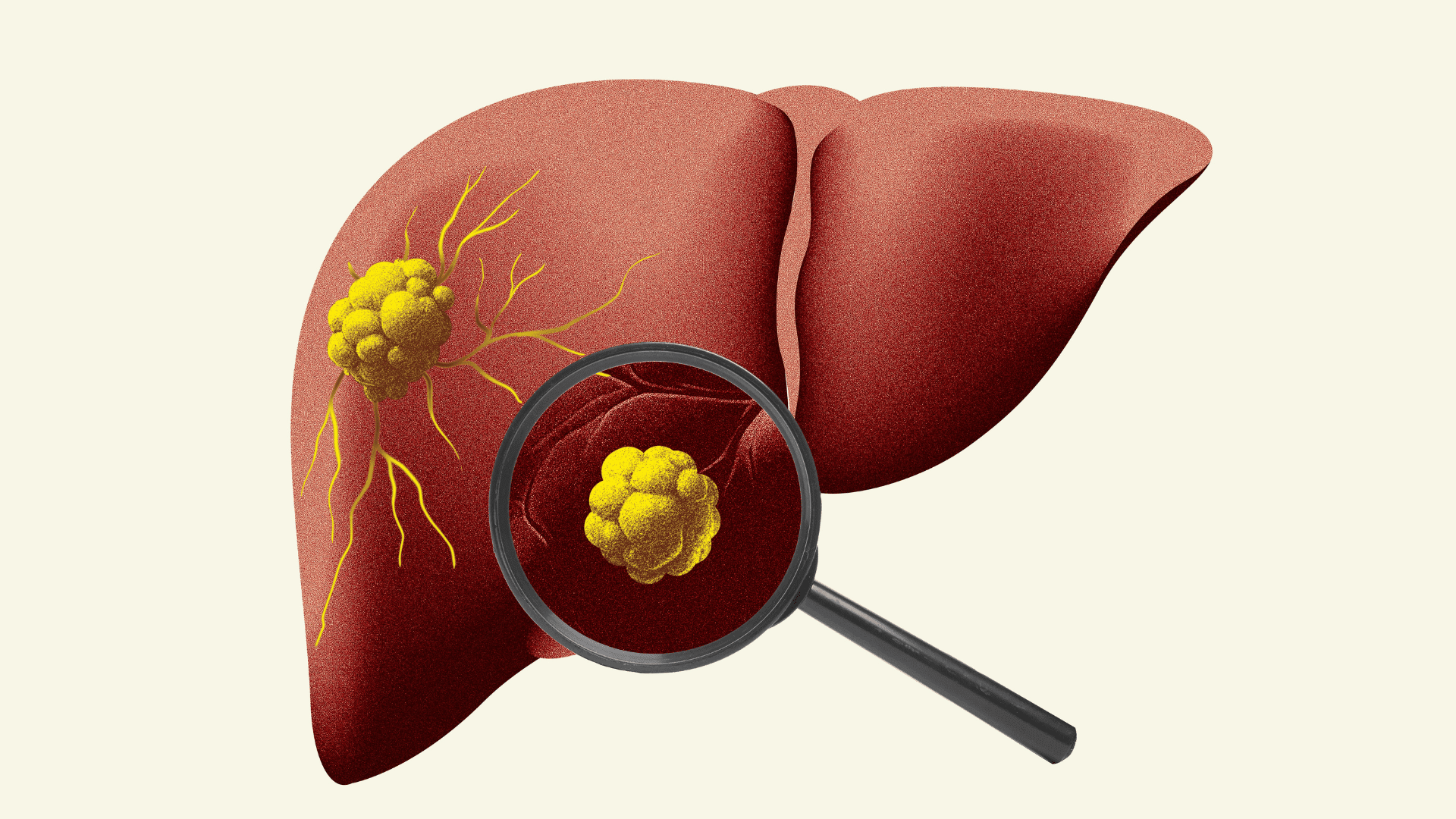
The idea is to give the body a little extra help before a patient gets too sick. “We asked if it would be possible to first implant a small-scale liver construct and then drive it to expand in the body following its engraftment,” Christopher Chen, M.D., Ph.D., said. “A sufficiently grown, functional ‘satellite liver’ could immediately relieve the metabolic burden in a damaged liver and help bridge the time until a transplant becomes available.”
To make this work, the team developed a strategy they call “BOOST.” They used synthetic biology to rewire how liver cells behave. Essentially, they added a “growth switch” to the cells that they can flip whenever they want.
Advertisement
Helping More Patients
In their tests, the researchers found that liver cells are particular. For example, they won’t grow if they feel too crowded. To get around this, the team used a specific protein that tells the cells it’s okay to keep multiplying even in tight spaces.
Interestingly, they made the growth controllable using a common antibiotic called doxycycline. When the study’s mice were given the medicine, the tiny implanted liver tissue grew by 500% in just one week. When the medicine was stopped, the growth stopped too. This means doctors could potentially control exactly how much “extra” liver a patient gets just by adjusting a prescription.
Sangeeta Bhatia, M.D., Ph.D., noted that this could eventually help more than just liver patients.
“Our BOOST strategy lays the foundation for a future when solid organ cell therapies can be controlled non-surgically according to the needs of patients and their physicians,” Dr. Bhatia explained. “Beyond treating liver disease, the premise of BOOST could be applied to other engineered tissue therapeutics that are similarly constrained by challenges associated with tissue scale-up, such as engineered heart or pancreatic tissue to address serious diseases.”
 Read Exclusive Stories
 Bookmark & Save Articles For Later