Researchers at Stanford Medicine have found a way to potentially cure Type 1 diabetes using a new transplant method. In a recent study involving mice, the team successfully combined blood stem cells with pancreatic islet cells from a donor. The mice were cured of the disease and didn’t need insulin or anti-rejection drugs for the rest of the six-month experiment.
Type 1 diabetes happens because the immune system accidentally attacks the body’s own insulin-producing cells. This new approach fixes that by creating a “hybrid” immune system that includes cells from both the donor and the patient. This prevents the body from attacking the new transplant and stops the original autoimmune attack in its tracks.
A Safer Way to Treat Type-1 Diabetes
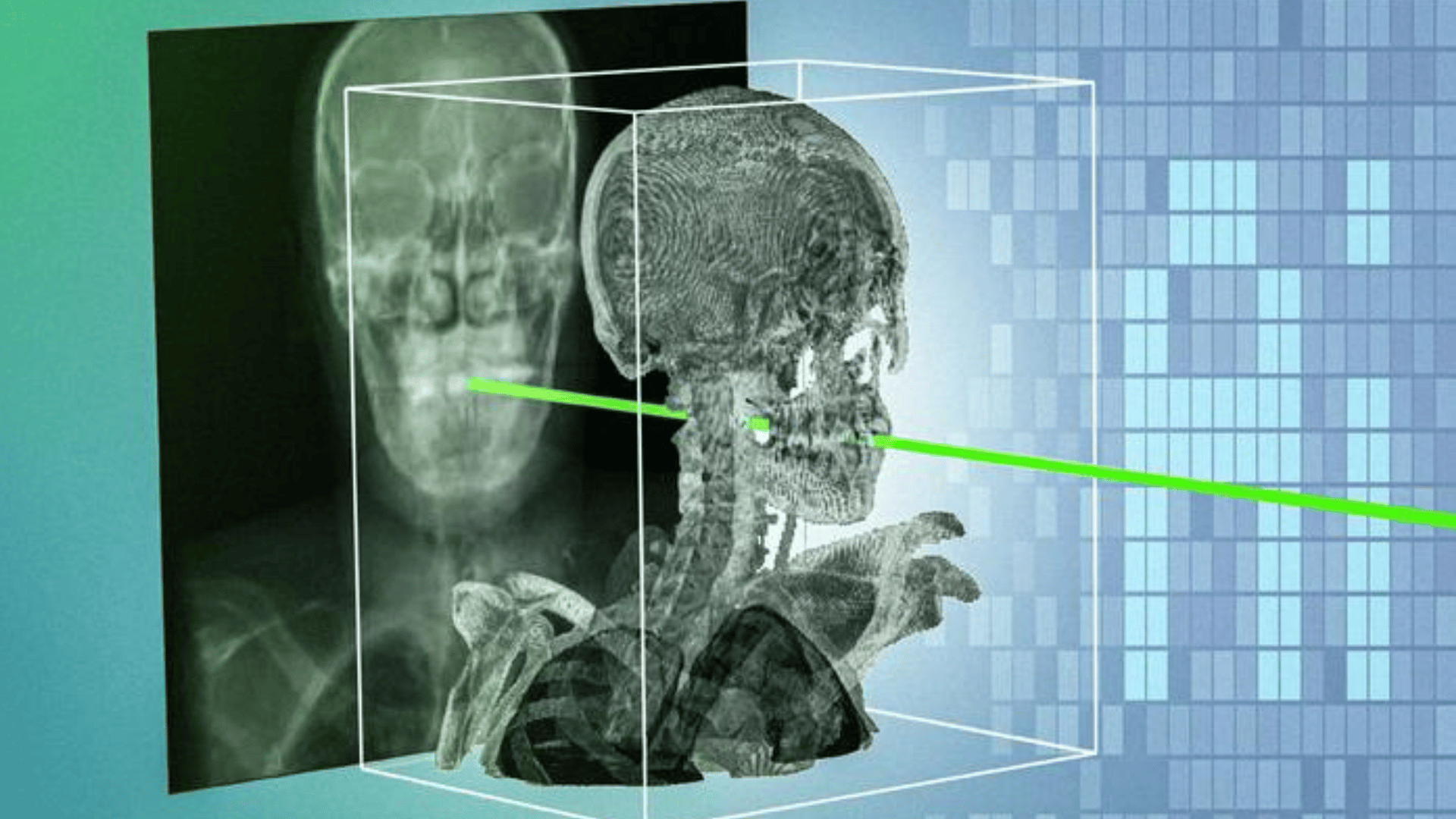
One of the biggest hurdles for transplants is the demanding prep work. Usually, patients need high doses of radiation to “clear space” for new cells, which can cause serious side effects like infertility. However, the Stanford team found a way to dial the radiation down, adding specific drugs to the mix. As a result, they reduced the radiation dose from 225 cGy to just 10 cGy.
Advertisement
“Bringing radiation doses down to a level that carries minimal clinical risk dramatically reduces barriers to achieving immune tolerance and curing diabetes,” said postdoctoral scholar Stephan Ramos, PhD. “This gentler preconditioning regimen also opens the door to using similar strategies in a much broader range of patients and diseases than was previously feasible.”
Why this matters
The method doesn’t just replace missing cells; it “re-educates” the immune system. This means the body learns to accept the new islet cells as friends rather than enemies.
“The possibility of translating these findings into humans is very exciting,” said Seung K. Kim, MD, PhD. “The key steps in our study — which result in animals with a hybrid immune system containing cells from both the donor and the recipient — are already being used in the clinic for other conditions. We believe this approach will be transformative for people with Type 1 diabetes or other autoimmune diseases, as well as for those who need solid organ transplants.”
There is still work to do, like finding enough donor cells for human patients, but the researchers are optimistic. This “gentle” transplant method could eventually help people with other conditions, too, like lupus or rheumatoid arthritis.
 Read Exclusive Stories
 Bookmark & Save Articles For Later