

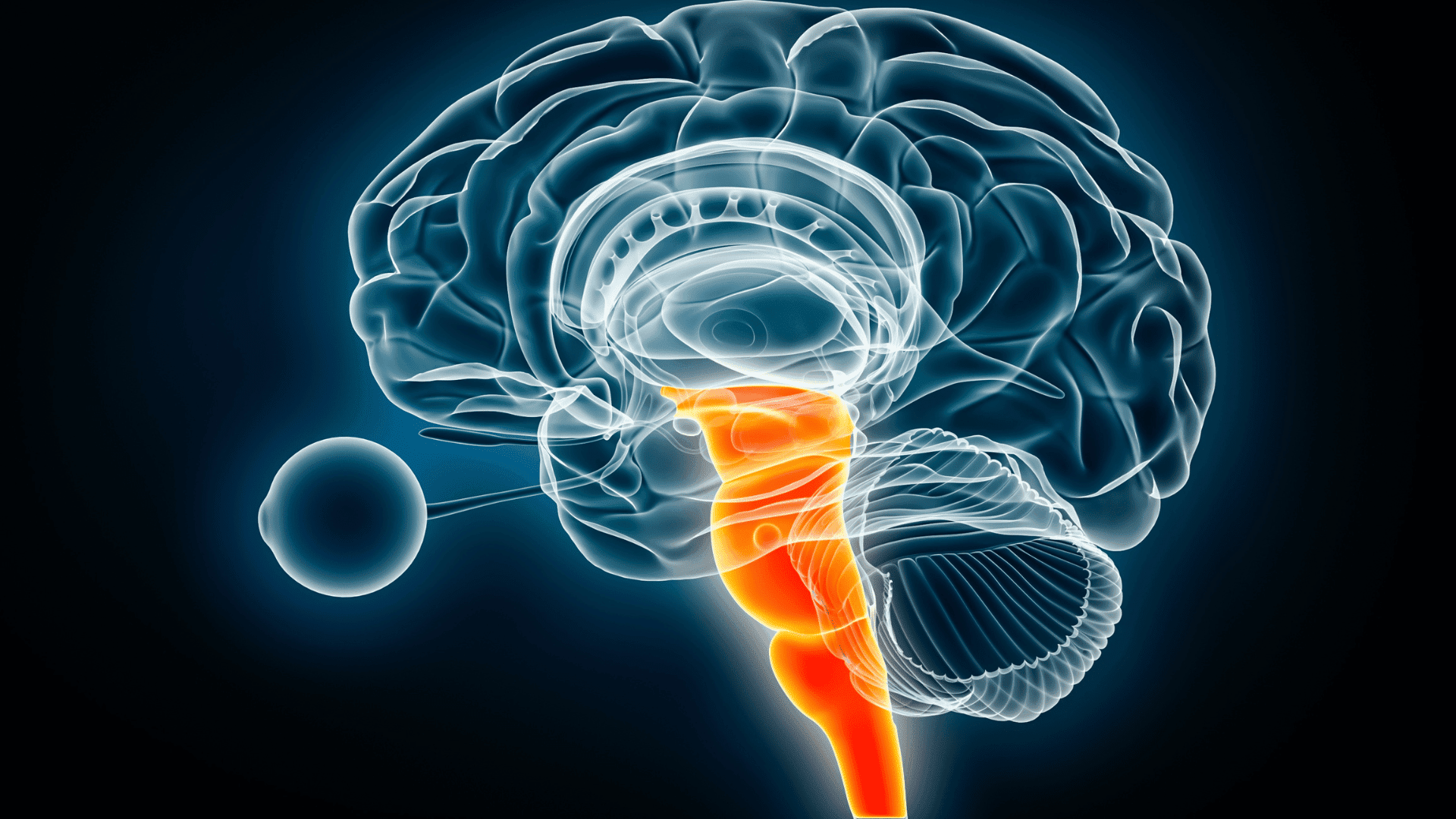
For a long time, the brainstem has been a sort of “black box” for doctors. It is the part of your brain that handles breathing, your heartbeat, sleeping, and staying conscious. But because it’s tucked away and constantly moving due to your pulse and breath, getting a clear picture of it has been nearly impossible.
Researchers from MIT, Harvard, and MGH recently changed that. They developed a new AI-powered tool called the BrainStem Bundle Tool (BSBT). This software can automatically map out eight specific “cables” of nerves, known as white matter, that run through the brainstem. This matters because it gives doctors a way to see exactly how trauma or diseases like Parkinson’s and MS are damaging these vital connections.
“The brainstem is a region of the brain that is essentially not explored because it is tough to image,” said Mark Olchanyi, a doctoral candidate at MIT. “People don’t really understand its makeup from an imaging perspective.
“We need to understand what the organization of the white matter is in humans and how this organization breaks down in certain disorders,” Olchanyi added.
Seeing Brain Disease in a New Way
The team put it to work on real-world cases. By looking at MRI scans from patients with various conditions, the software found distinct patterns of damage. For example, in Parkinson’s patients, the tool showed structural changes in three specific nerve bundles. In patients with Multiple Sclerosis (MS), it picked up on both volume loss and structural breakdown across four different bundles.
However, one of the most interesting results came from a 29-year-old man in a coma following a brain injury. Over seven months, the tool tracked his healing process. It showed that his nerve bundles were pushed aside rather than severed, and as his lesions shrank, the nerves moved back into their proper places.
“The brainstem is one of the body’s most important control centers,” Emery N. Brown, a professor at MIT and an anesthesiologist at MGH, said. “By enhancing our capacity to image the brainstem, he offers us new access to vital physiological functions such as control of the respiratory and cardiovascular systems, temperature regulation, how we stay awake during the day and how we sleep at night.”
The researchers have made the tool publicly available, so other scientists can start using it to better understand how our brains recover from injury and age over time.