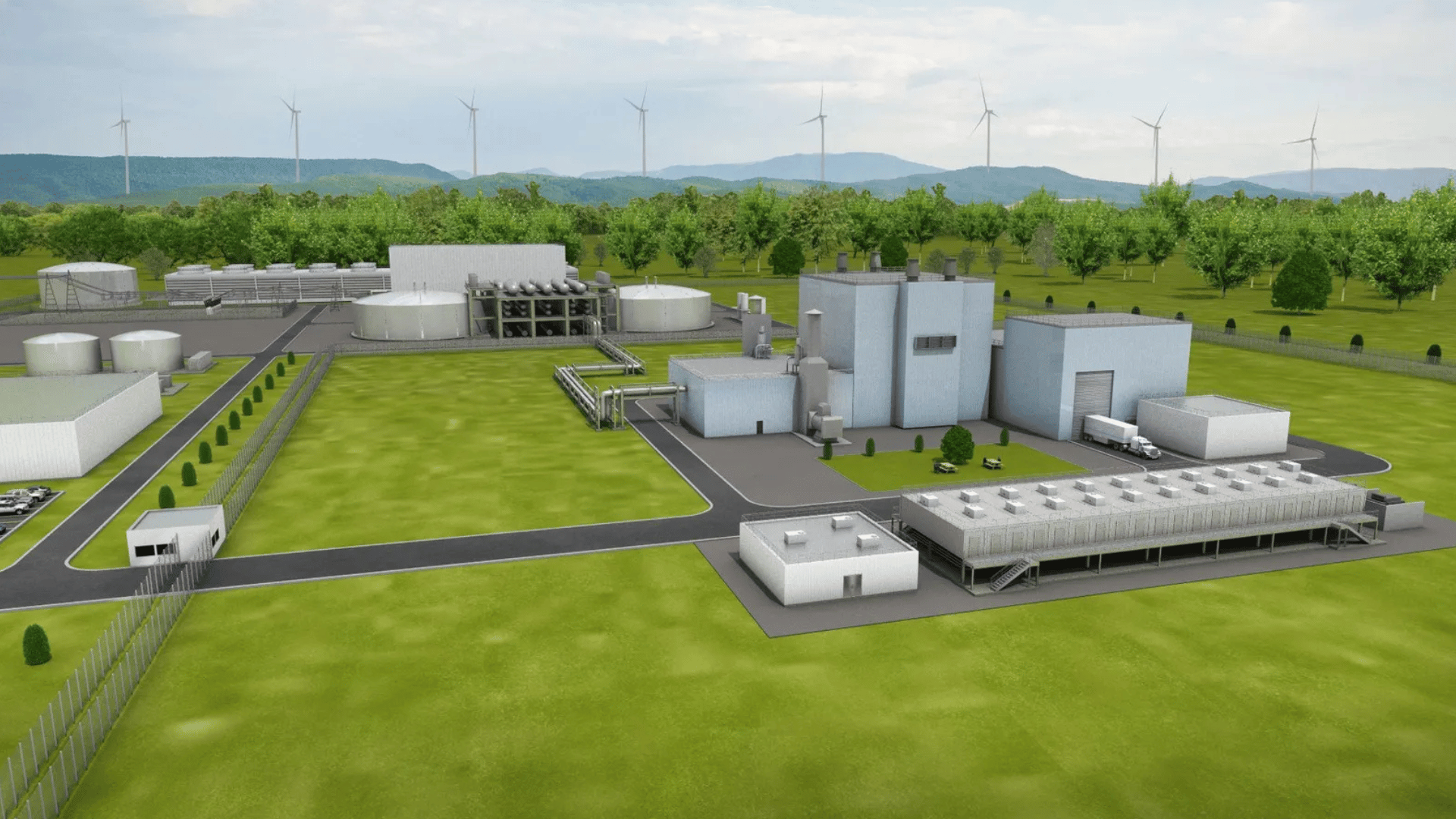
Clean energy focuses heavily on wind and solar, but another green power source is beneath our feet. The problem is that it’s buried miles underground in rock so hot it would melt a standard drill. A company called Quaise Energy launched a new project in Oregon, Project Obsidian, that could tap geothermal energy.
Tapping Geothermal Energy
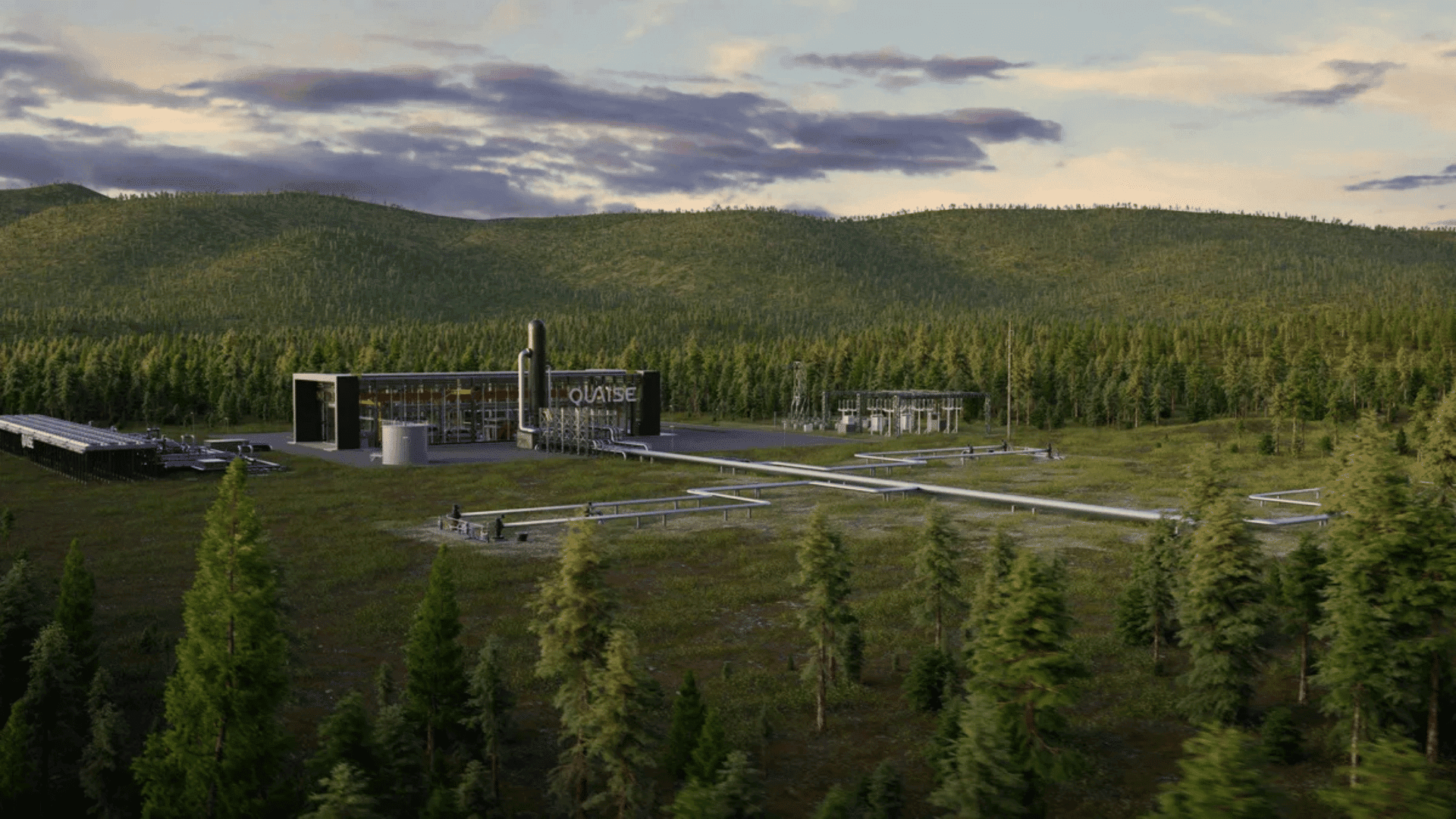
The goal is to build the world’s first power plant that runs on “superhot” geothermal energy, topping out at 300°C (572°F). If they can reach it, the payoff is huge. A recent analysis from the company suggests their first plant could produce 50 megawatts of power from just a few wells. Unlike some other green energy sources, this would be available 24/7.
Right now, we can only get to this kind of heat in places like Iceland, where it’s close to the surface. To make this work everywhere else, you have to drill down two to 12 miles. Traditional drills can’t handle the heat and pressure at those depths. Quaise is working on a way to use millimeter waves, similar to the energy in your microwave, to melt and vaporize the rock instead of grinding through it.
“Our goal is to build out to a gigawatt in the area,” said Carlos Araque, CEO and co-founder of Quaise. “We believe our breakthrough drilling technology could ultimately make gigawatt-scale geothermal plants viable across the globe, including in regions where geothermal has never been possible before.”
Advertisement
Testing New Drilling
Because this hasn’t been done before, the team is starting in phases to manage the risk. The first wells in Oregon will actually be drilled using conventional methods since the heat is reachable at about three miles down. This will help them understand the chemistry of the rock and how much heat they can actually pull up.
Daniel W. Dichter, a senior mechanical engineer at Quaise, explained that they are using a hybrid approach. They’ll use regular drills for the easy part near the surface and save the high-tech wave drilling for the harder, hotter basement rock later on.
“This analysis validates our long-held hypothesis that higher subsurface temperatures entail substantial improvements in power production. It shows us that we can get to a capacity of 50 megawatts of power with this system,” Dichter said. “If these first wells work the way we think they will, they will be on par with exceptionally productive oil and gas wells in terms of equivalent power output.”
There is still a lot to learn about how the water and steam will behave that deep down, but the team is optimistic. If it works, it could provide a massive amount of carbon-free power using very little land.
 Read Exclusive Stories
 Bookmark & Save Articles For Later