Nuclear power plants in the U.S. recently got approval to run more efficiently. Framatome announced that the Nuclear Regulatory Commission (NRC) approved its plan to increase “fuel burnup” limits. This means the fuel stays in the reactor longer and works harder before it needs to be replaced.
Framatome teams spent nearly six years working on the report for their GAIA and HTP fuel designs. Now that it’s approved, plant operators have more flexibility in how they run their reactors. It makes the whole process more competitive and helps the plants stay reliable while keeping costs down.
Longer Cycles, Less Waste
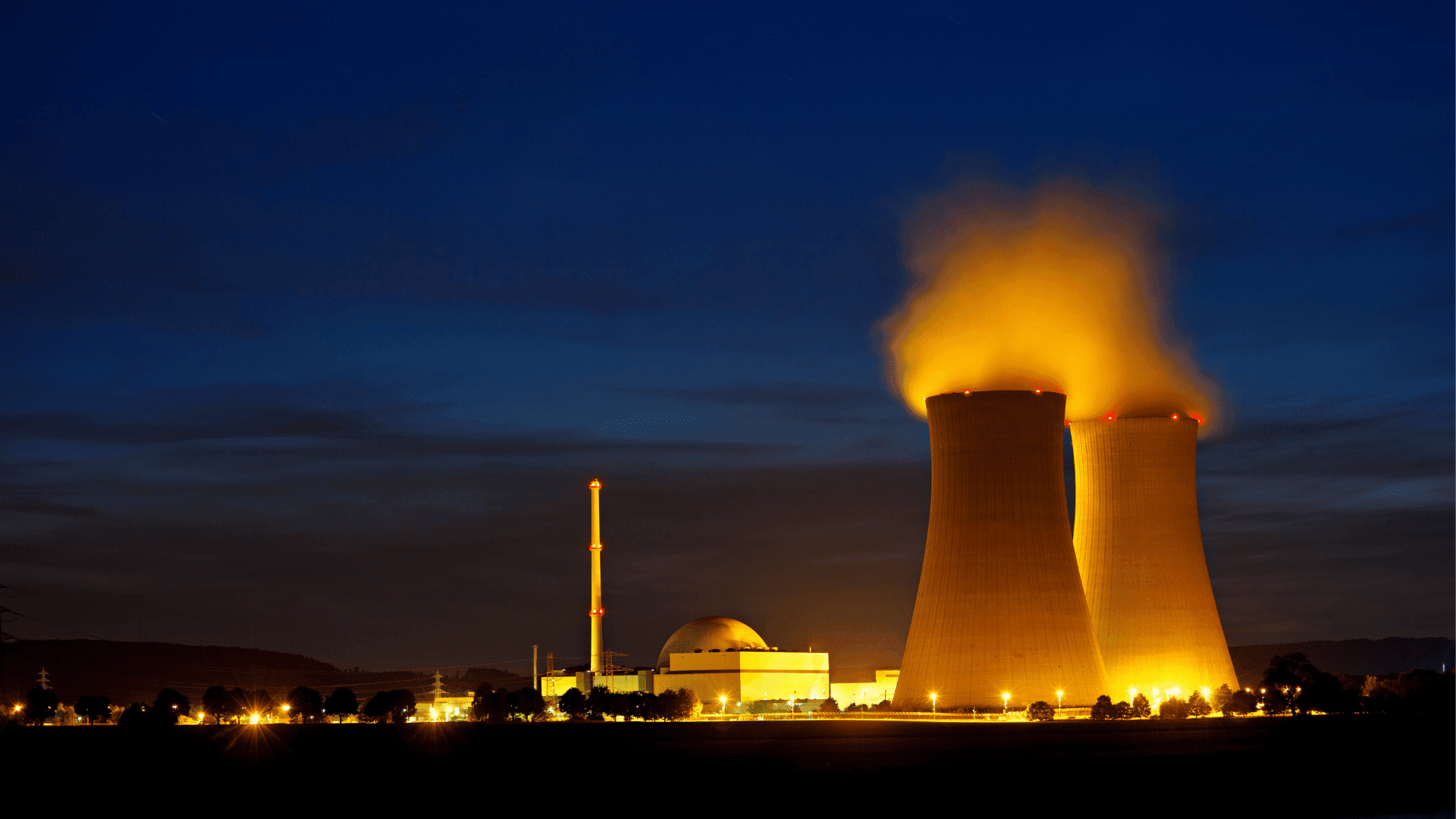
The big draw is how this changes the schedule for a power plant. Right now, many reactors have to stop for refueling every 18 months. With these improvements, many of them can push that out to 24 months. By making the fuel last longer, plants can reduce the amount of waste they produce.
Advertisement
This is all part of a bigger project called the Advanced Fuel Management program. It uses uranium pellets with higher enrichment levels along with updated math and methods to track how the fuel performs. The goal is to help the existing fleet of U.S. reactors produce clean energy for the long haul.
“The approval of this report demonstrates our expertise in fuel design and commitment to our customers and the industry in bringing economical solutions to the market,” said Lionel Gaiffe, Framatome’s Senior Executive Vice President, Fuel Business Unit. “Our teams forward-looking approach have made this technology available for customers at a time where energy demands continue to increase and the industry needs long-term sustainability.”
Making and Moving the Nuclear Fuel
The NRC also gave Framatome the go-ahead to use codes for fuel enriched beyond the standard 5%. Additionally, the company got a license amendment to transport this new fuel across the country.
All this high-tech fuel will be made at the company’s factory in Richland, Washington. That facility has been around for over 55 years, and these upgrades ensure it stays a central part of how the U.S. generates power.
 Read Exclusive Stories
 Bookmark & Save Articles For Later