Four U.S. nuclear energy giants celebrated a major milestone at the White House in Washington, D.C. Representatives from Valar Atomics, Antares Nuclear, Aalo Atomics, and Deployable Energy were in the nation’s capital to observe the success of bringing four new advanced test reactors to criticality before a strict deadline.
Each company’s new advanced reactor achieved a sustained nuclear chain reaction before July 4, 2026. The Department of Energy had a goal to bring at least three privately developed advanced nuclear test reactors online by America’s 250th birthday.
Antares Nuclear
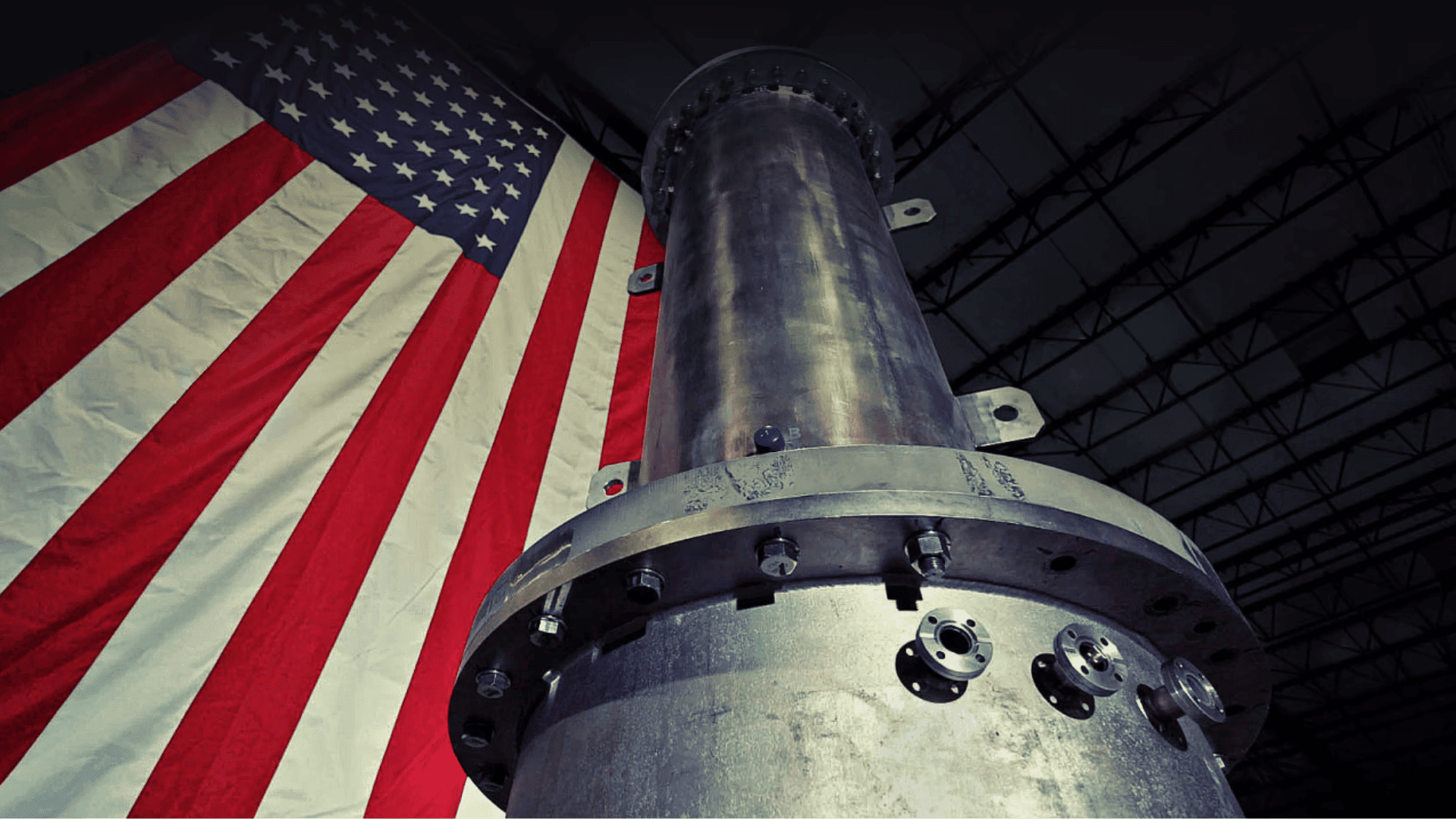
Antares achieved criticality with its “Mark-0” reactor at the Idaho National Laboratory (INL). This was the first time in over 40 years that a new privately developed non-light-water reactor went critical in the U.S. The company hit initial criticality in early June, and Valar Atomics achieved the same milestone shortly after.
The company did it in less than a year by working closely with the Department of Energy, BWX Technologies, and the U.S. Army.
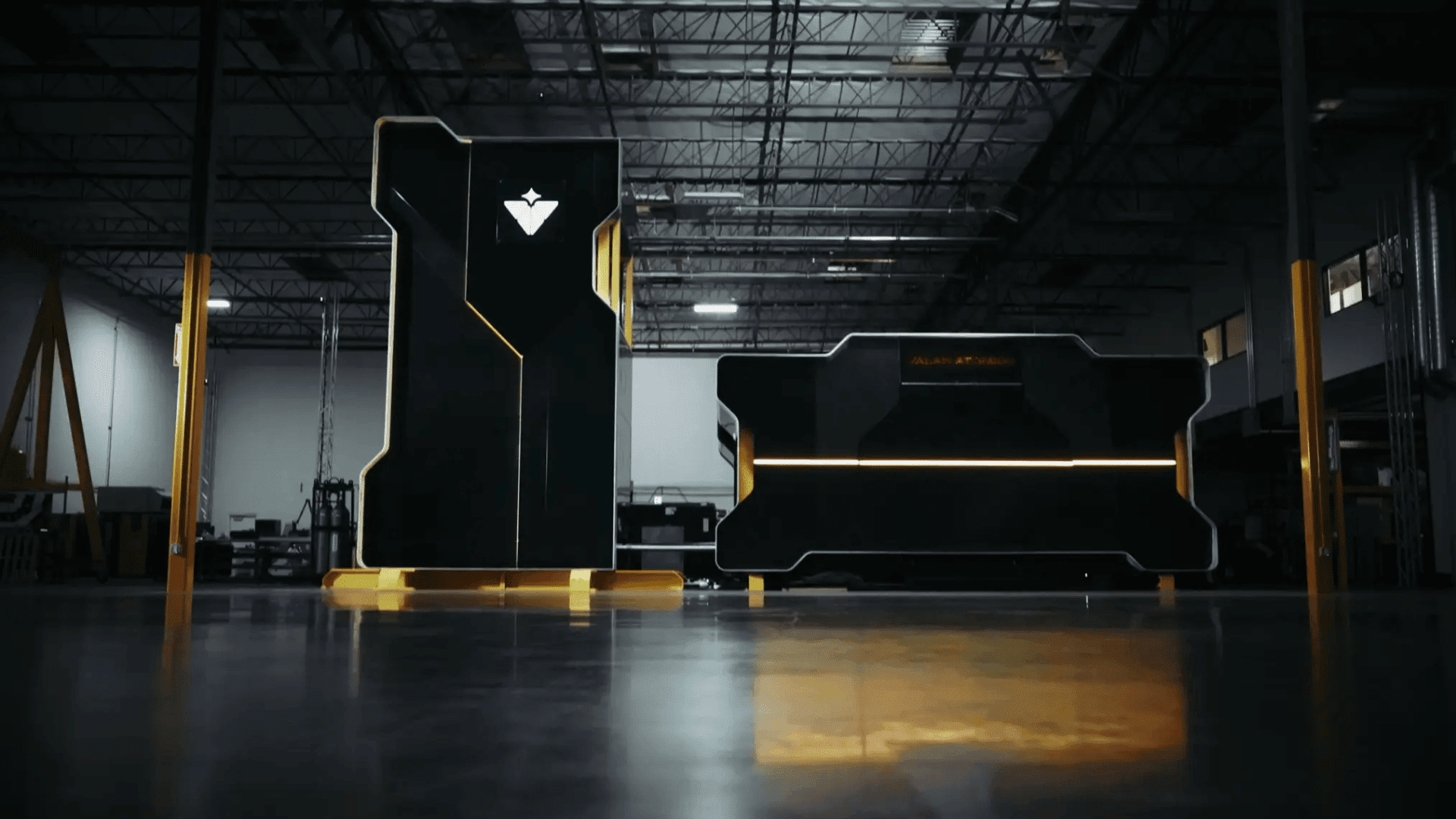
Valar Atomics
Advertisement
Valar Atomics reached criticality with its “Ward 250” reactor at the San Rafael Energy Lab in Utah shortly after Antares did.
“This reactor was built to make power, and that’s exactly where we’re headed,” Isaiah Taylor, Founder and CEO of Valar Atomics, said when the company announced the achievement. “I’m grateful to the Department of Energy, the State of Utah, the local community, and the many people who got us here.”
Deployable Energy
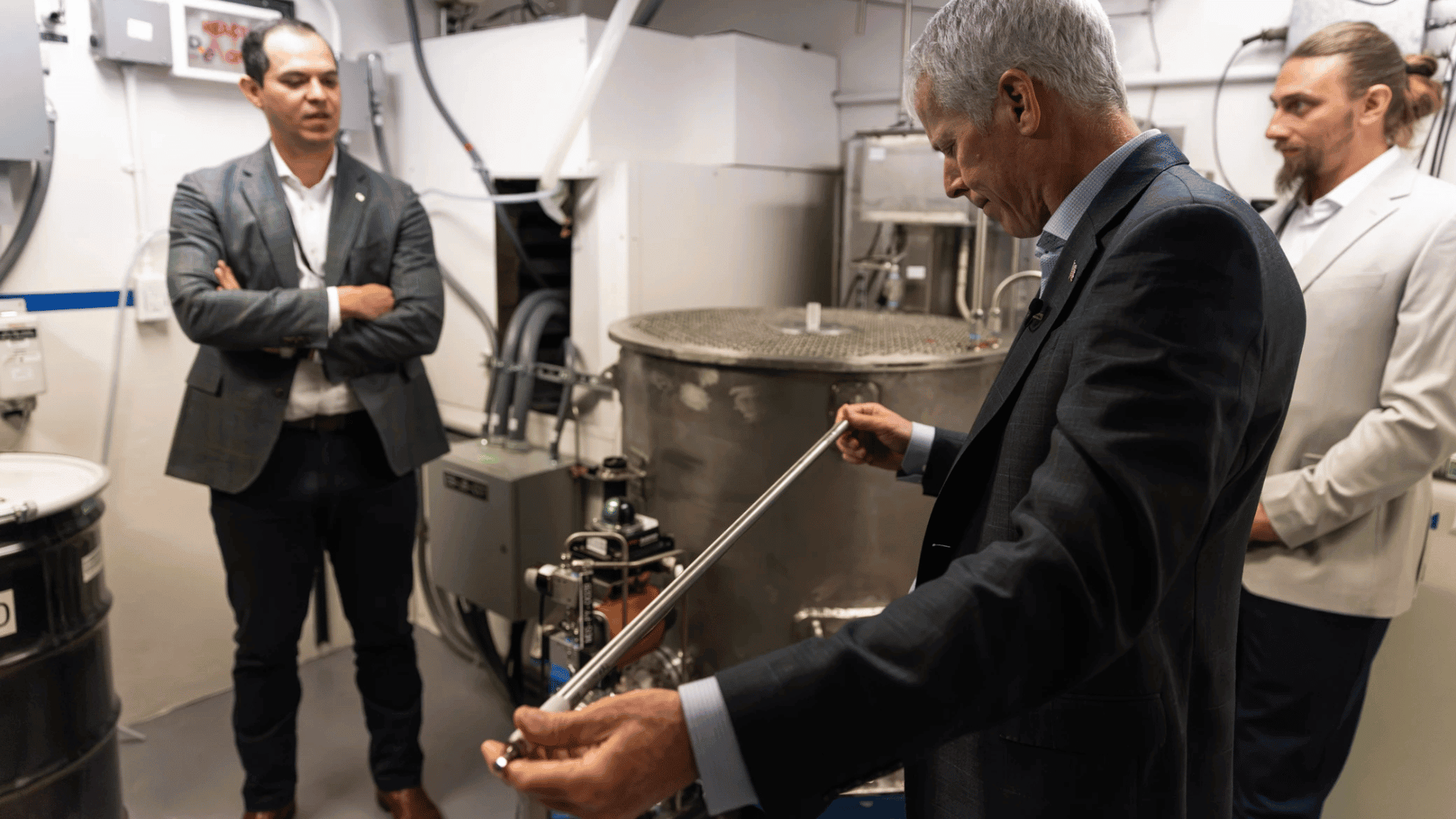
In completed a criticality demonstration with its “Unity” reactor at INL, officially hitting the three-reactor goal ahead of schedule. The Unity microreactor is built in a factory and designed for places that lack reliable power. For example, the company hopes to eventually see it used in remote areas, factories, defense sites, and maritime shipping.
Aalo Atomics
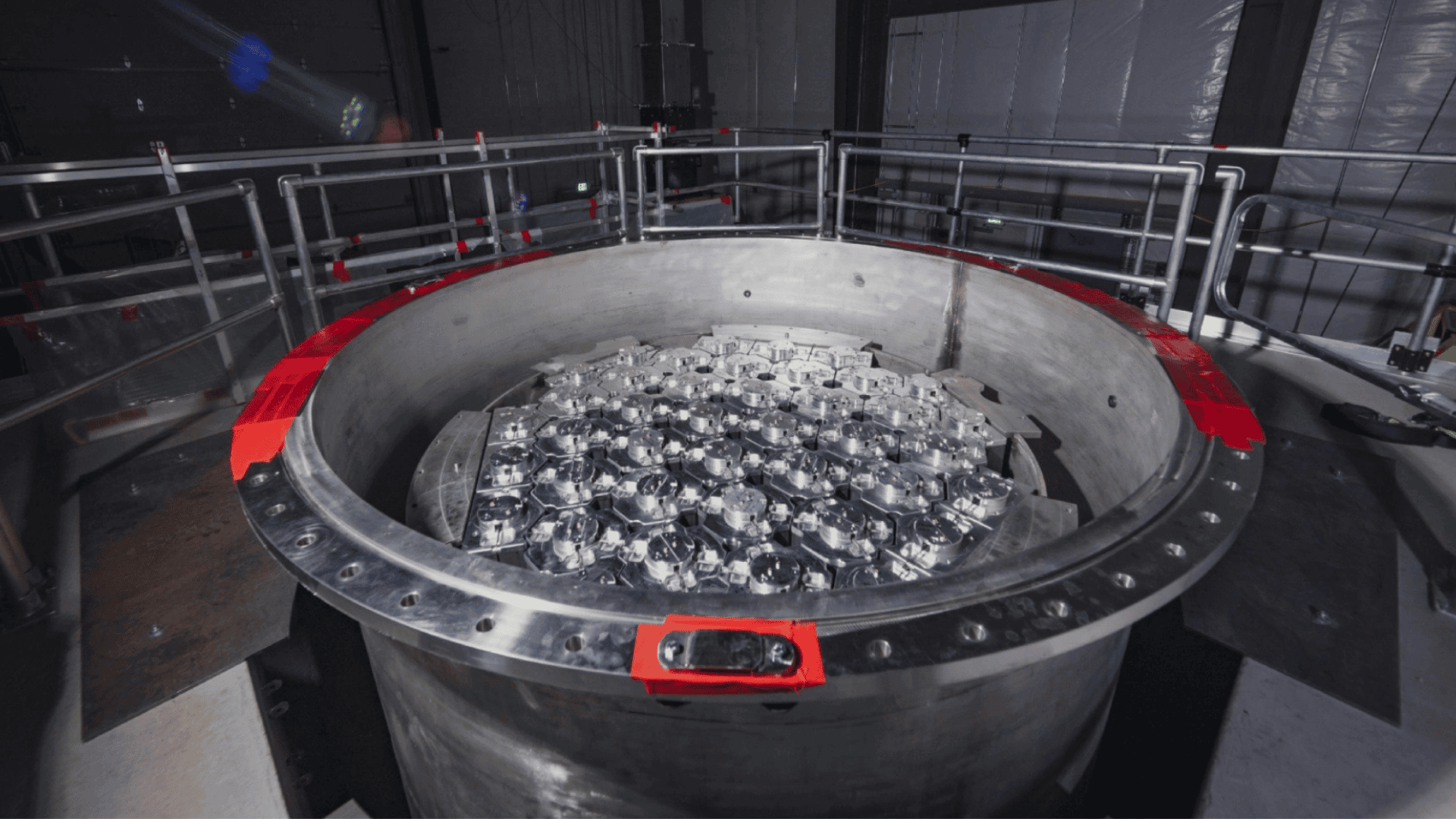
Aalo Atomics narrowly met the deadline, achieving a self-sustaining chain reaction with its “Aalo-X” test reactor at INL at 12:20 a.m. on Independence Day. The Critical Test Reactor (CTR) went from breaking ground to a sustained chain reaction in less than eight months. That makes it one of the quickest reactor builds in 80 years.
 Read Exclusive Stories
 Bookmark & Save Articles For Later