Painting with Groundwater
If you take a boat along the southern shore of Lake Superior, you will eventually hit a 15-mile wall of sheer sandstone that plunges directly into the deep blue waters of the lake. While the cliffs alone at Pictured Rocks National Lakeshore are impressive in their scale and height, it is the impossible colors of the cliffs that make the site famous.
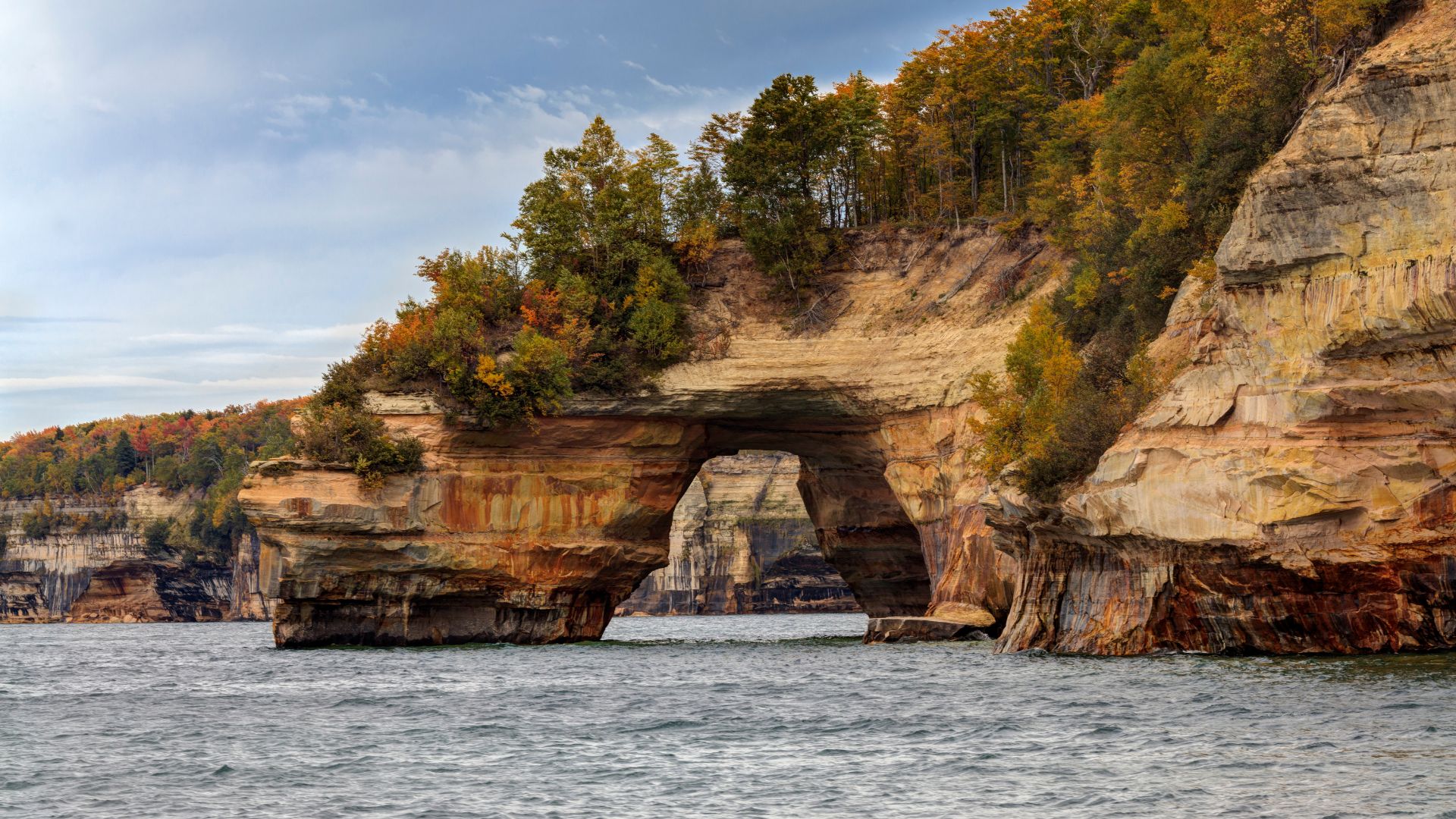
While the wind and waves have carved these cliffs out of the sandstone over time, the paint coating the cliffs results from a chemical reaction occurring within the rocks themselves.
The Sponge Effect
The sandstone that makes up the cliffs is around 540 million years old. This sandstone is highly porous, meaning that it acts like a giant sponge. When it rains or when the snow melts in the forests above these cliffs, the water percolates down through the ground to the sandstone that forms the cliffs.
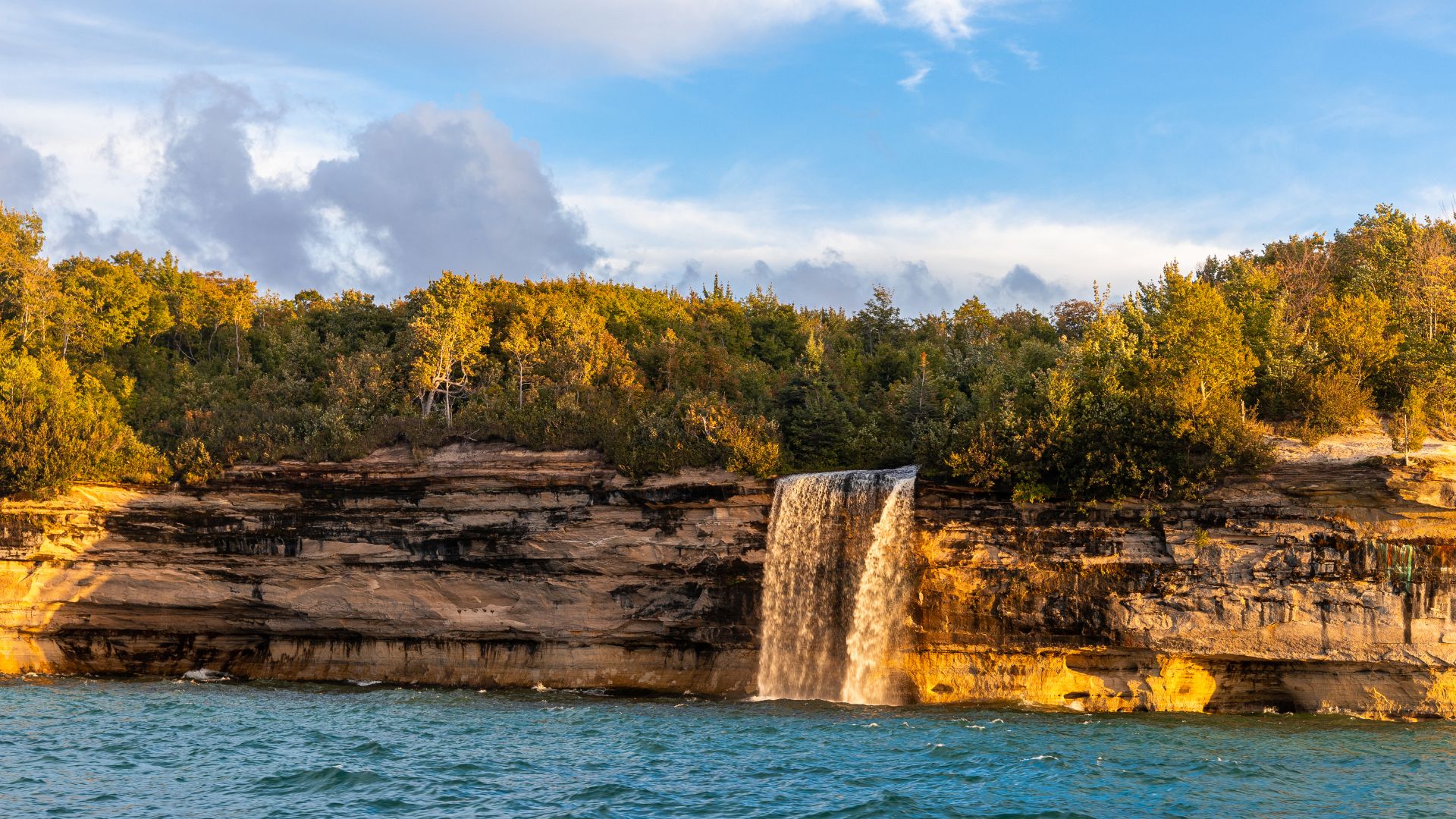
The groundwater that percolates through the sandstone acts as a mild solvent, dissolving the minerals naturally present deep within it. These minerals are carried within the water in solution.
Advertisement
A Vertical Chemistry Lab
When the dissolved minerals in the water reach the cliff face, they percolate out of the sandstone. When the water hits the air, the minerals begin to undergo a chemical reaction called oxidation, or rusting.
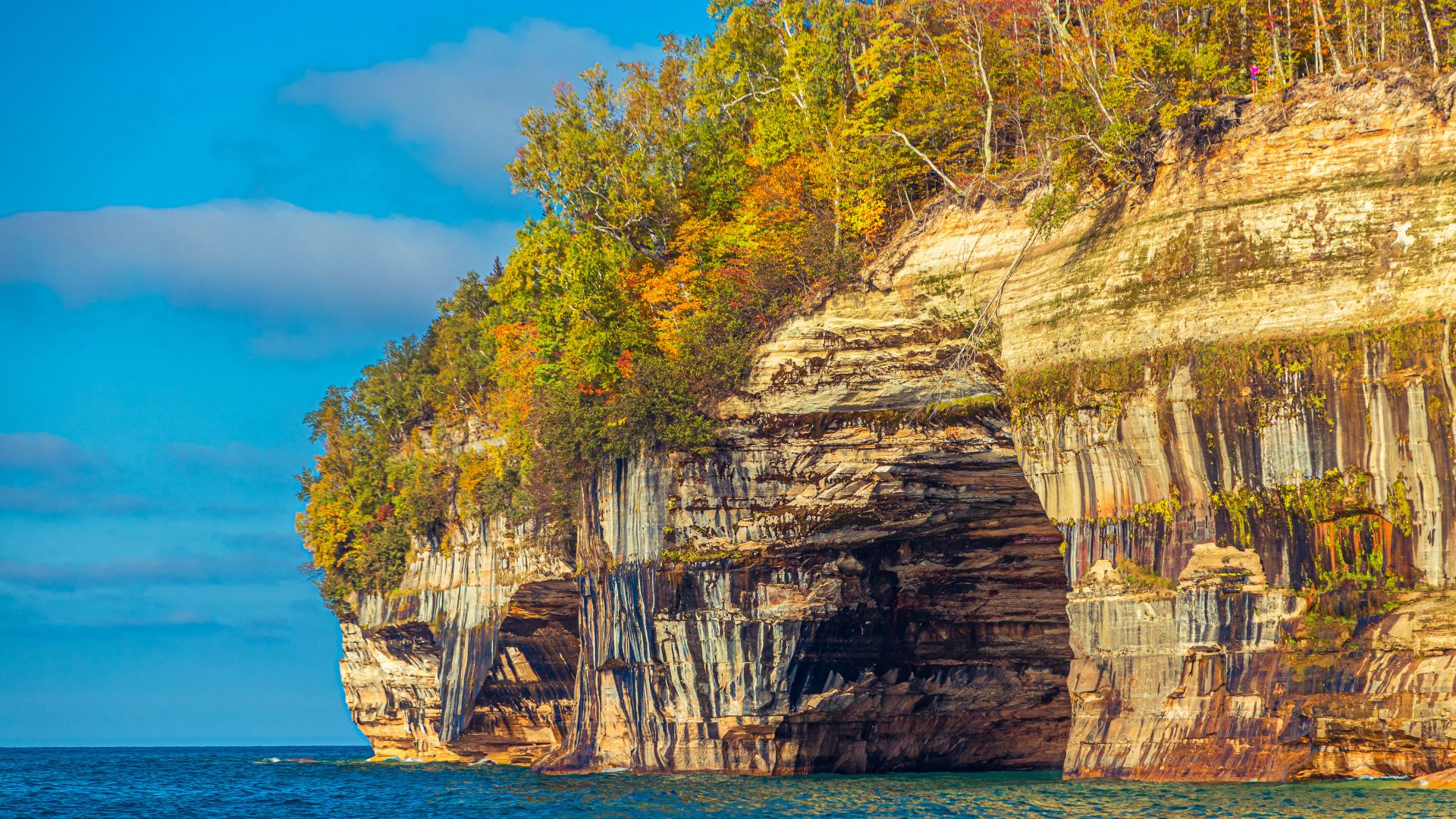
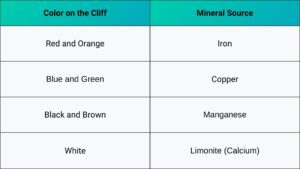
The minerals that rust leave behind a chemical trail of specific colors on the cliff itself. The chemistry of the cliff reveals the identities of the minerals as they rust:
The fact that the water continues to percolate out of the cliffs means that the “painting” is always dripping down the cliffs. Thus, the chemical reaction and rusting of the minerals continue to change with the seasons.
 Read Exclusive Stories
 Bookmark & Save Articles For Later