When we think about shaping raw materials into strong, three-dimensional shapes, metal comes to mind. We imagine blacksmiths heating iron and hammering it over an anvil. But there is another ancient craft that lets you sculpt tough, protective gear from organic materials rather than metal: leatherworking.
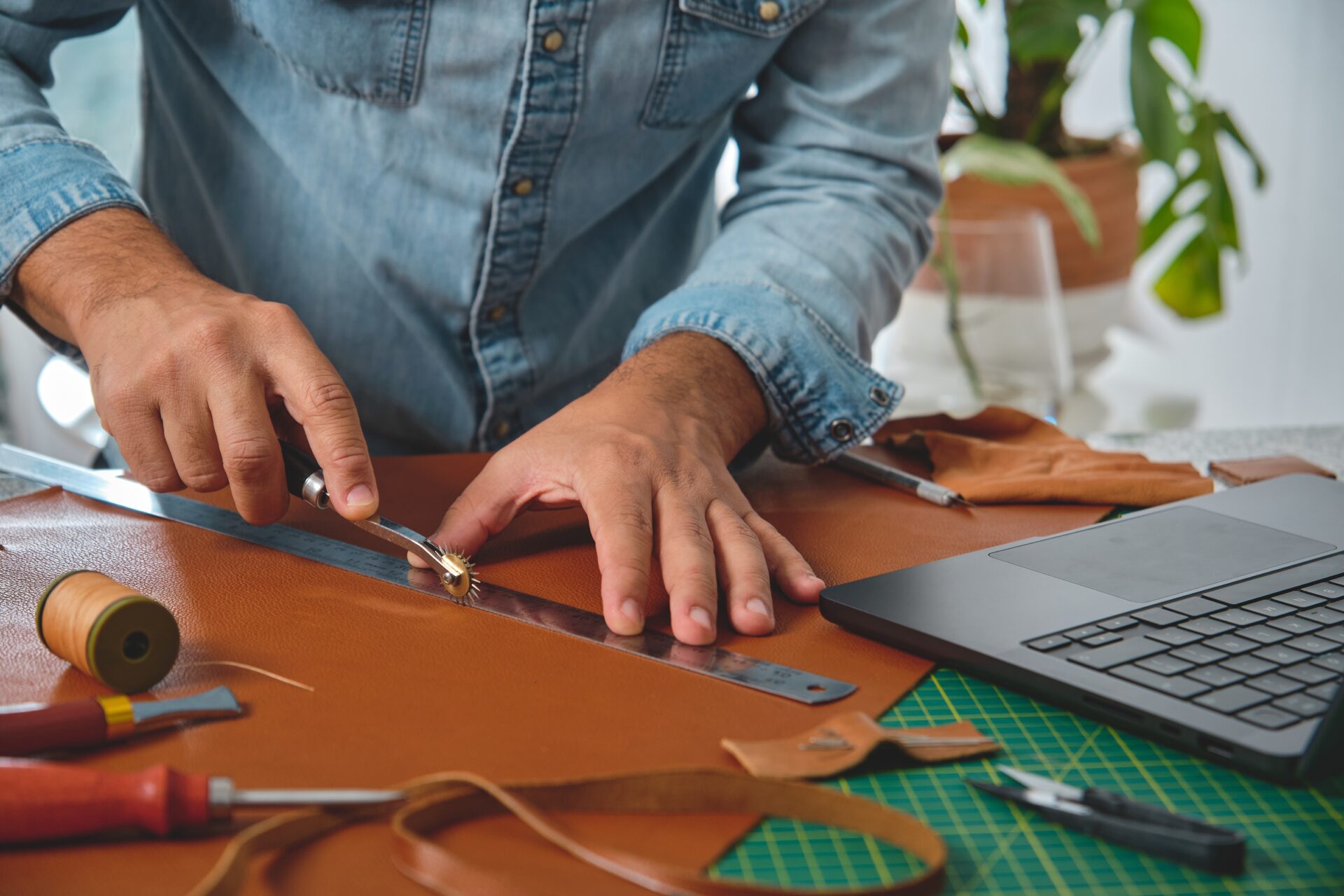
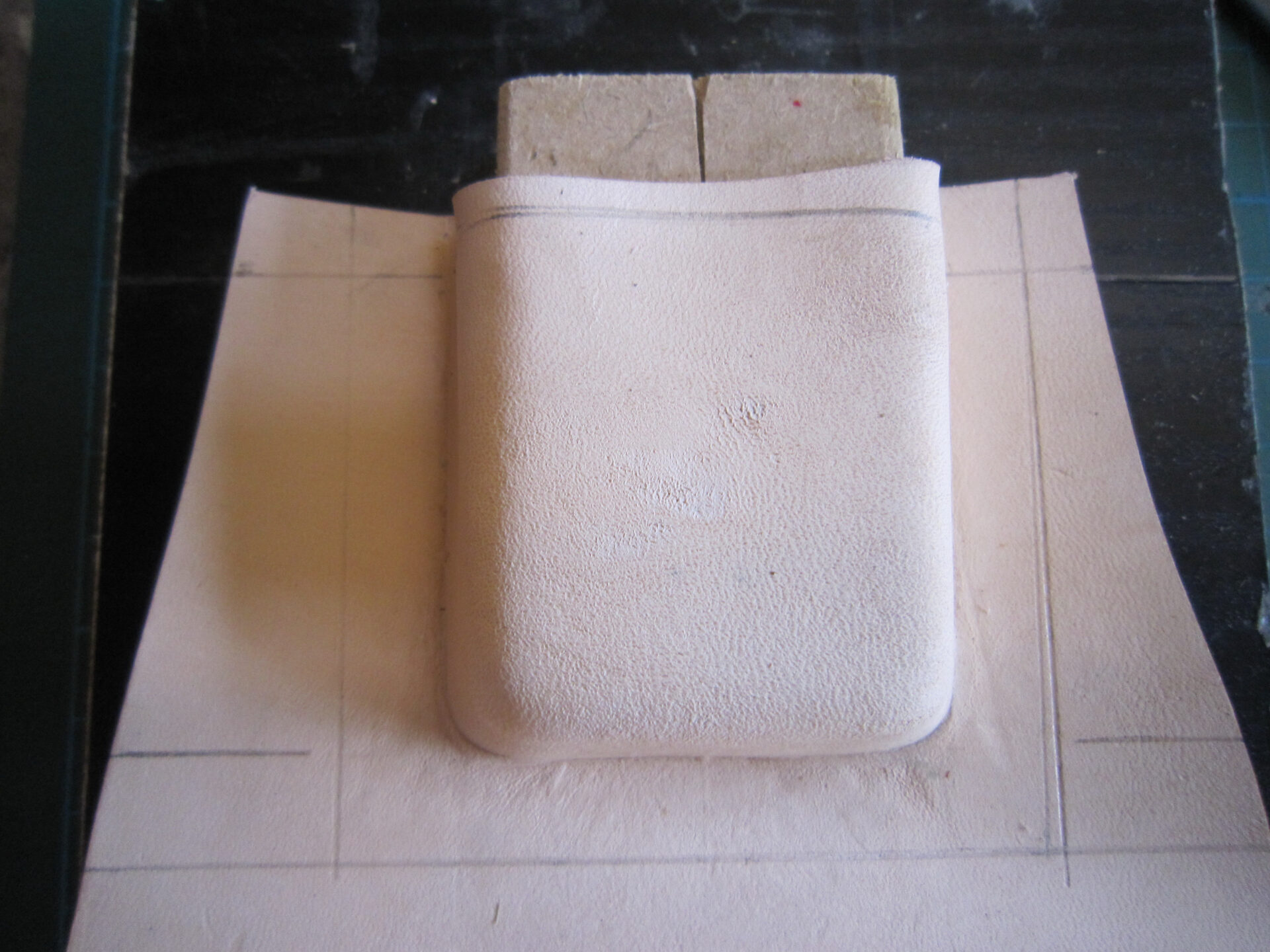
Through a technique called “wet molding” (or casing), a leather crafter can transform a flat piece of hide into a rigid, perfectly fitted form. It is arguably the closest thing to blacksmithing without using a roaring forge.
The Science of Wet Molding
Leather is full of natural protein fibers. When you work with vegetable-tanned leather—which is preserved using natural plant materials like tree bark—these collagen fibers react directly to water.
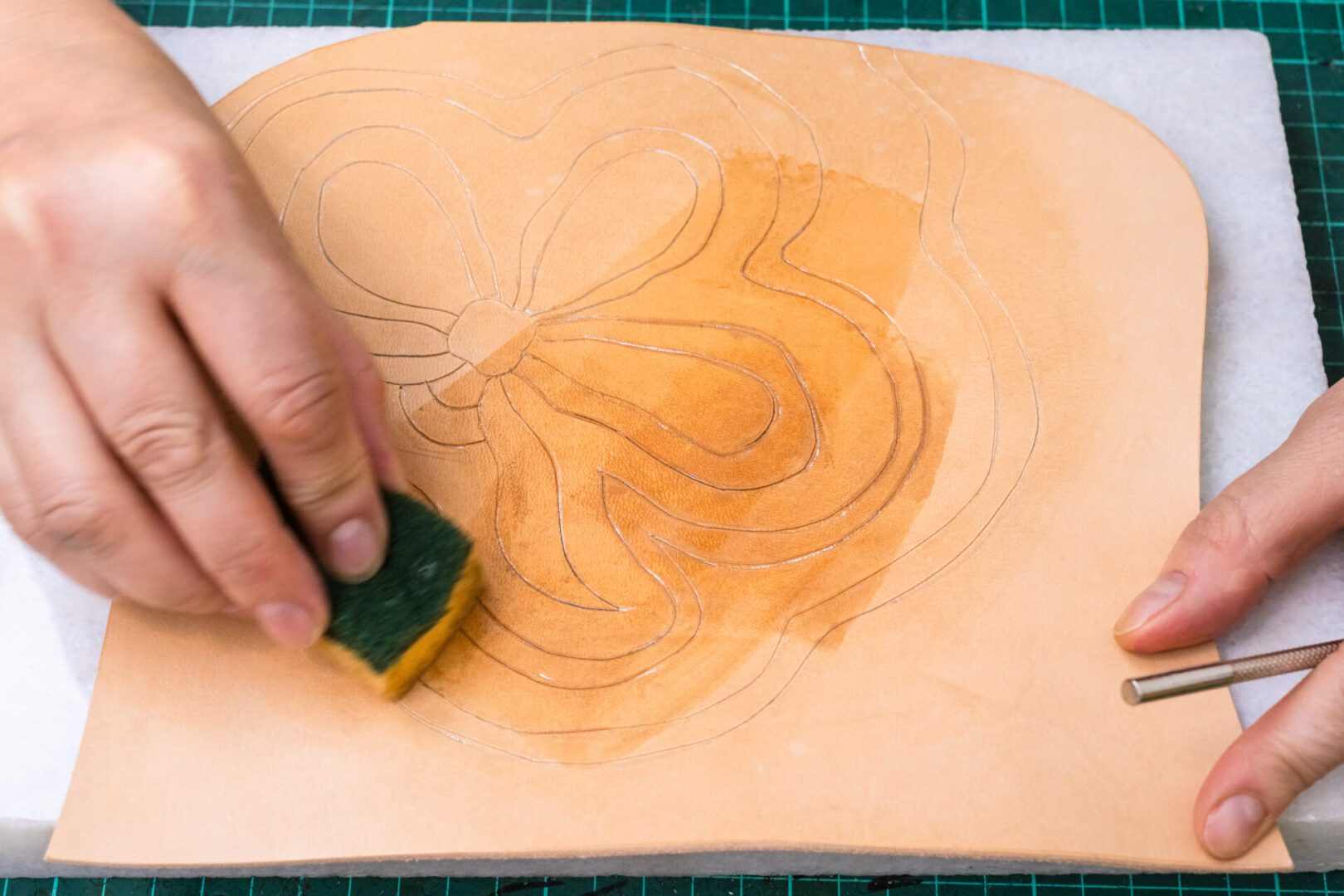
When you soak vegetable-tanned leather in room-temperature water, those tight fiber bundles absorb the moisture and relax. The leather suddenly becomes as pliable as clay. You can stretch it, bend it, and press it directly over complex 3D shapes. You can use custom wooden blocks, 3D-printed forms, or even the actual object you are making a case for—like a pocket knife or a camera lens.
Locking in the Shape
Advertisement
The real magic happens when the leather begins to dry. As the water evaporates, the collagen fibers shrink and lock into their new positions.
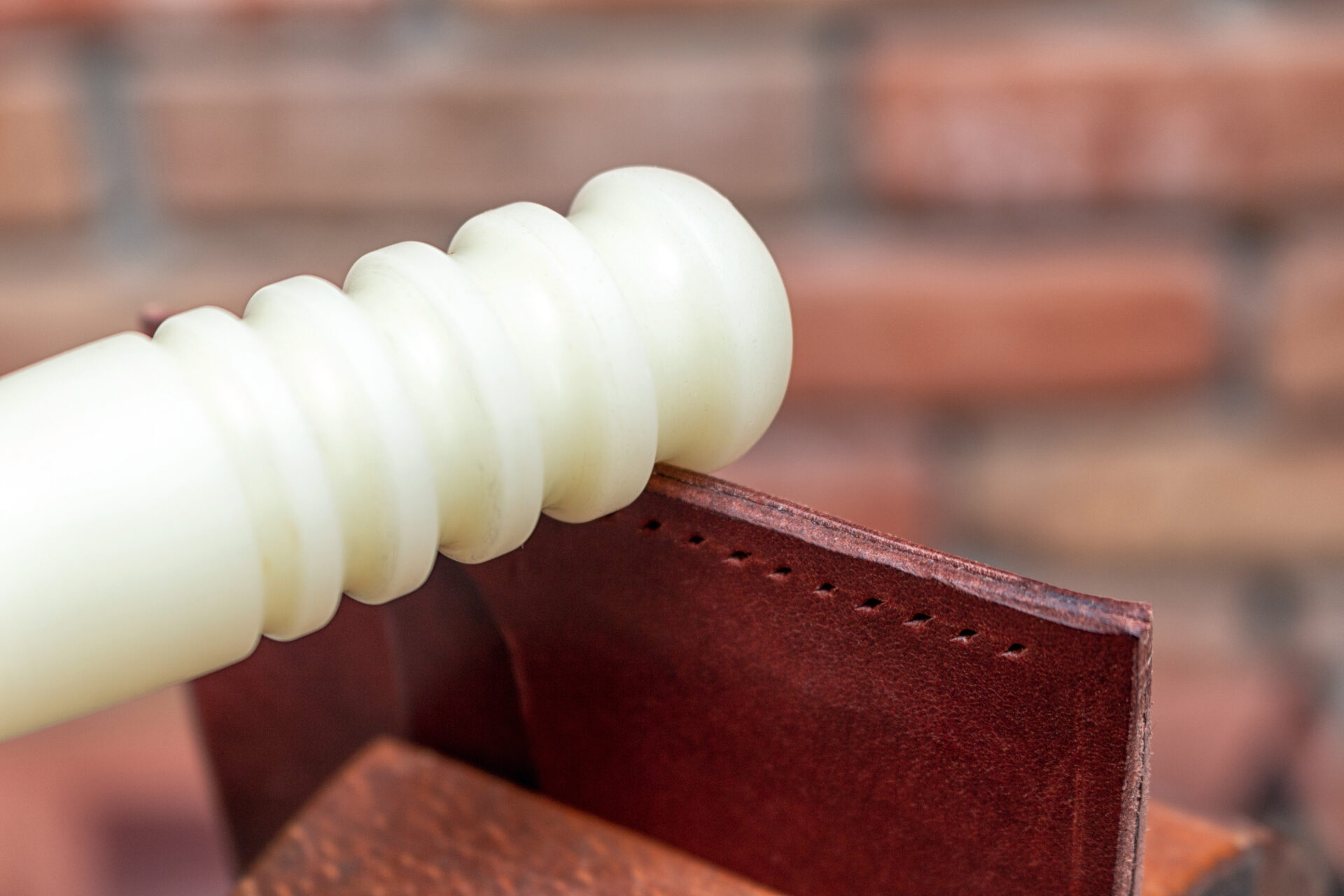
Crafters often use bone folders or smooth hardwood tools to rub the surface while it is damp. This process, called boning, compresses the outer grain layer. When the piece fully dries overnight, it retains a rock-hard, durable shell that fits its contents down to the millimeter.
A Creative Bridge Between Science and Art
Leatherworking is a fantastic mix of geometry, physics, and design. You have to anticipate how much the leather will stretch so you do not cut your initial pattern too small. You also need to control moisture levels carefully; if the hide is too dry, it cracks, but if it is too wet, it gets mushy and loses fine detail. Once the molded shape is set, you can tool intricate patterns onto the surface, dye the leather with custom colors, and hand-stitch the edges using heavy waxed thread.
In a world filled with molded plastic, leatherworking proves that you can build incredibly tough, custom-fit gear using simple tools, water, and human patience. It turns rawhide into functional art that actually improves with age, developing a rich patina.
To see a demonstration of how this technique works in practice, check out this video on How to Case Leather for Tooling and Wet Forming. It outlines the exact steps for hydrating and shaping vegetable-tanned leather to achieve a clean, durable fit.
 Read Exclusive Stories
 Bookmark & Save Articles For Later