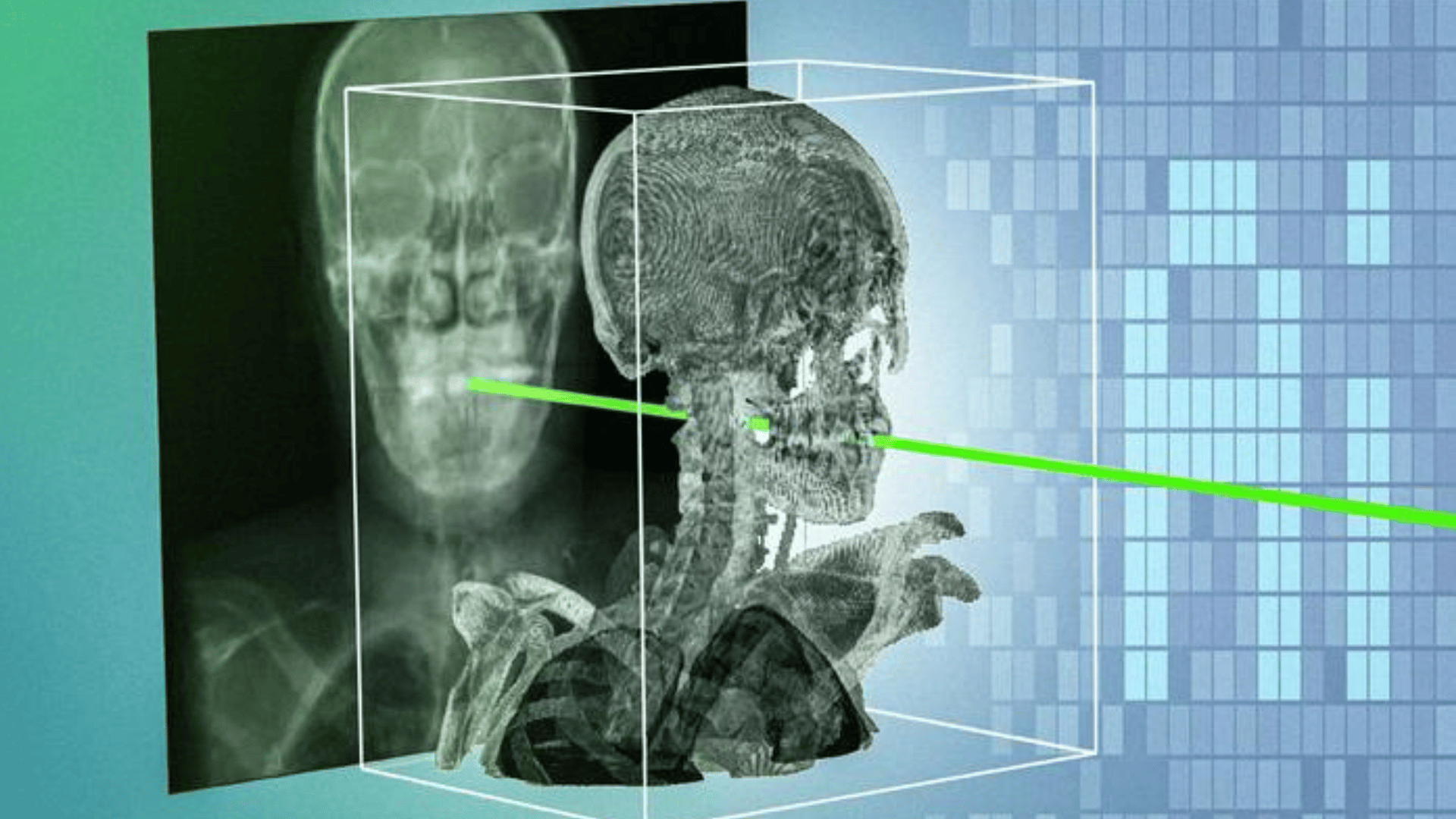
Doctors usually need weeks to figure out the exact type of a brain tumor a patient is dealing with. Typically, they have to send samples to special labs for complex DNA testing. A team of experts in Heidelberg built an AI system, called Hetairos, that classifies brain tumors with high accuracy in minutes using standard, everyday tissue slides.
Rapidly Spotting Brain Tumors

To train it, scientists fed the AI more than 11,000 digitized tissue sections from 9,606 patients across four continents. Today, it can tell the difference between 102 different molecular tumor subtypes. When the AI is confident in its choice, it gets the diagnosis right around 87 to 88 percent of the time.
Additionally, it beat human experts in a direct test. Five experienced neuropathologists looked at 210 cases using only tissue slides, averaging a 30 percent accuracy rate. Hetairos, however, hit 68 percent.
“The results show that modern AI systems are now capable of recognizing extremely subtle morphological patterns that are difficult even for experienced specialists to distinguish,” said Felix Sahm, one of the project leaders.
Quickly Helping Patients
Advertisement
In a real-world trial, scientists tested Hetairos alongside standard hospital practices. Traditional DNA testing took about twelve days to return results, while Hetairos did it in twelve minutes on a regular computer.
“The study shows that artificial intelligence is capable of deriving molecular information directly from routine tissue sections and thus fundamentally changing cancer diagnostics,” said Darui Jin, one of the lead authors.
While the system spots tumors quickly, it still struggles with targeting rare tumors.
“Currently, the diagnosis of very rare tumor types still poses a major challenge for Hetairos; in this regard, experienced neuropathologists appear to be at least on par,” said researcher Moritz Gerstung. “However, we expect the system’s performance to improve even further with larger and more diverse datasets.”
This AI can also help save time and money because it uses slides hospitals already make.
“We developed Hetairos primarily as a tool to support diagnostics,” explained Felix Sahm. “It is not intended to replace molecular analyses, but rather to specifically complement and accelerate them. The technology could make an important contribution, particularly in countries or regions with limited resources, as it is based on standard tissue sections used worldwide.”
 Read Exclusive Stories
 Bookmark & Save Articles For Later