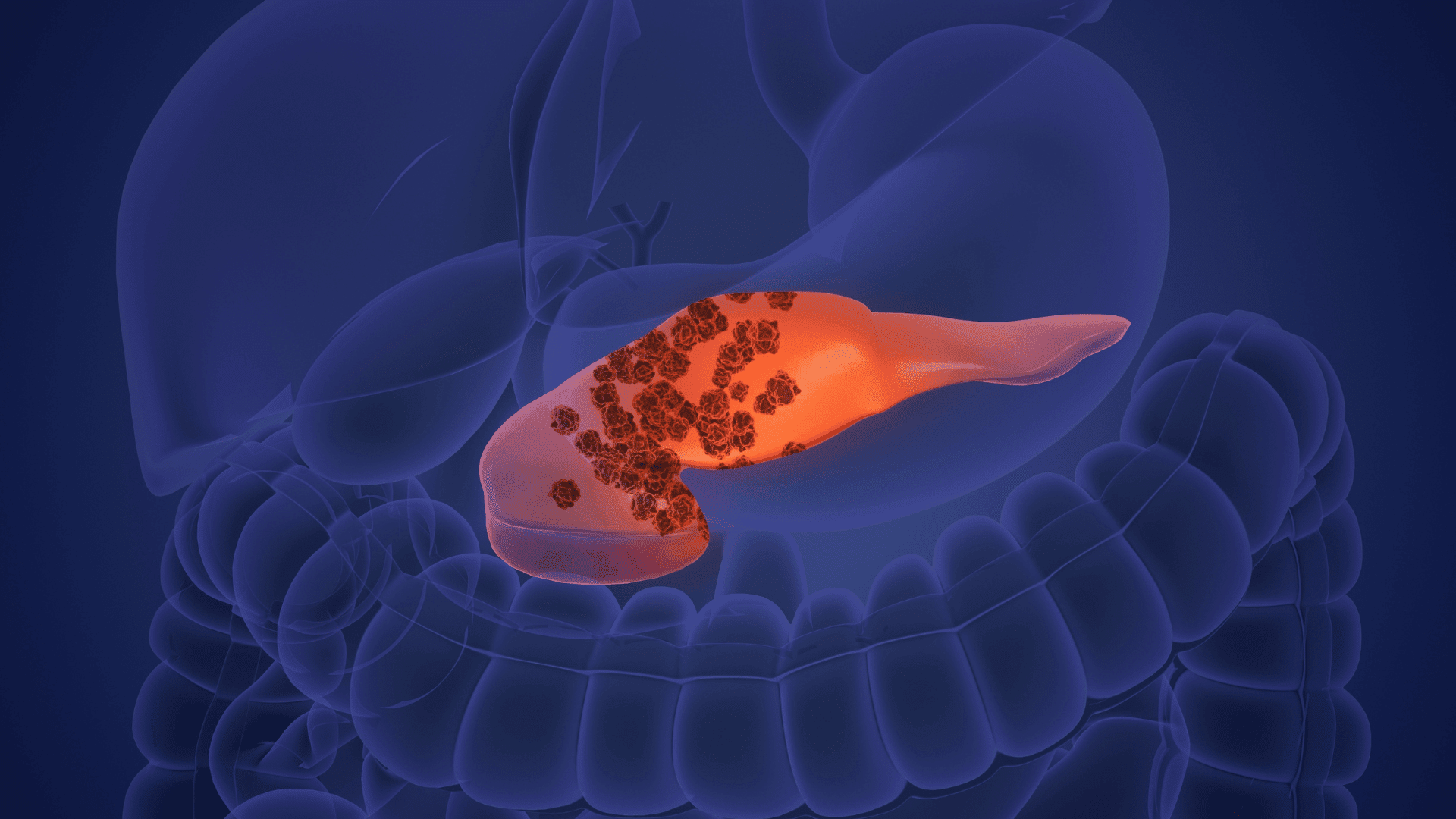
Pancreatic cancer is one of the toughest diseases to catch early. More than 85% of patients get a diagnosis after the disease has spread and the survival rate stays below 15%. However, a new tool from the Mayo Clinic could change that timeline.
Researchers developed an artificial intelligence model called REDMOD, which stands for Radiomics-based Early Detection Model. It can spot early signs of pancreatic cancer on routine CT scans up to three years before a doctor notices it.
AI Spots Pancreatic Cancer Early
In the study, the team tested the AI model on nearly 2,000 CT scans. These included scans from people who were later diagnosed with pancreatic cancer. When doctors first looked at these scans, they thought they were normal.
The AI caught 73% of the prediagnostic cancers about 16 months before the official diagnosis, which is almost twice as high as specialists reviewing the scans without the AI.
Advertisement
The problem with pancreatic cancer is that there are no visible early symptoms. But the REDMOD system measures hundreds of tiny imaging features. It looks at the texture and structure of tissue, catching subtle changes before a tumor forms.
The model works automatically with no long, manual prep. Tests across multiple hospitals showed the AI gives consistent results, even with different imaging machines and rules.
Good News For Patients
“The greatest barrier to saving lives from pancreatic cancer has been our inability to see the disease when it is still curable,” said Ajit Goenka, M.D., the study’s senior author, and a Mayo Clinic radiologist and nuclear medicine specialist. “This AI can now identify the signature of cancer from a normal-appearing pancreas, and it can do so reliably over time and across diverse clinical settings.”
The AI’s results were very stable over time. If patients had multiple scans over a few months, the system gave the same results. This means doctors can use it to watch patients over time, especially those with a high risk, such as people with new-onset diabetes.
Now, researchers are moving this technology into real-world testing with the AI-PACED study. This next step will help doctors learn how to use AI-guided detection in daily care, focusing on finding the disease early and tracking patient outcomes.
 Read Exclusive Stories
 Bookmark & Save Articles For Later