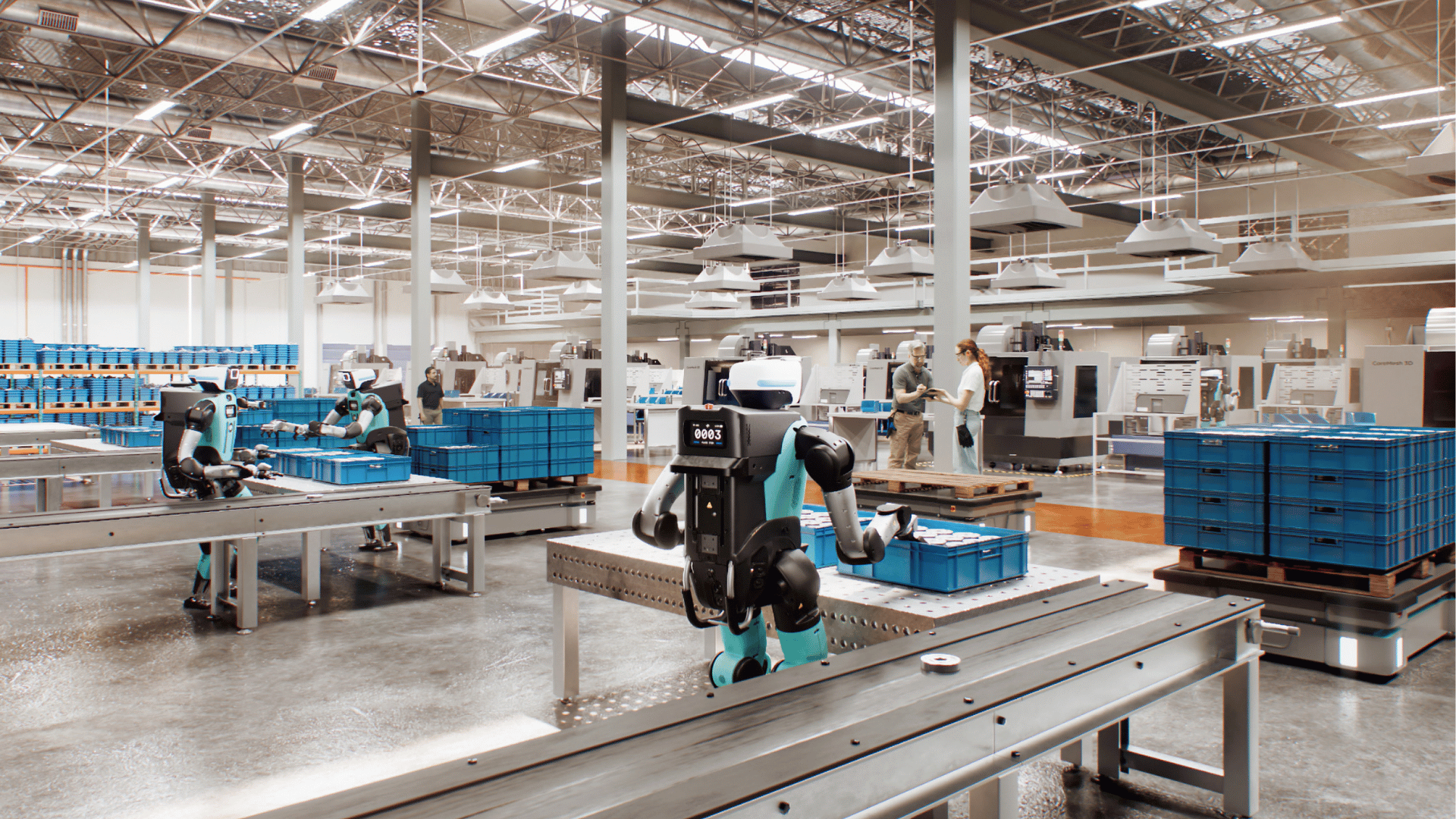
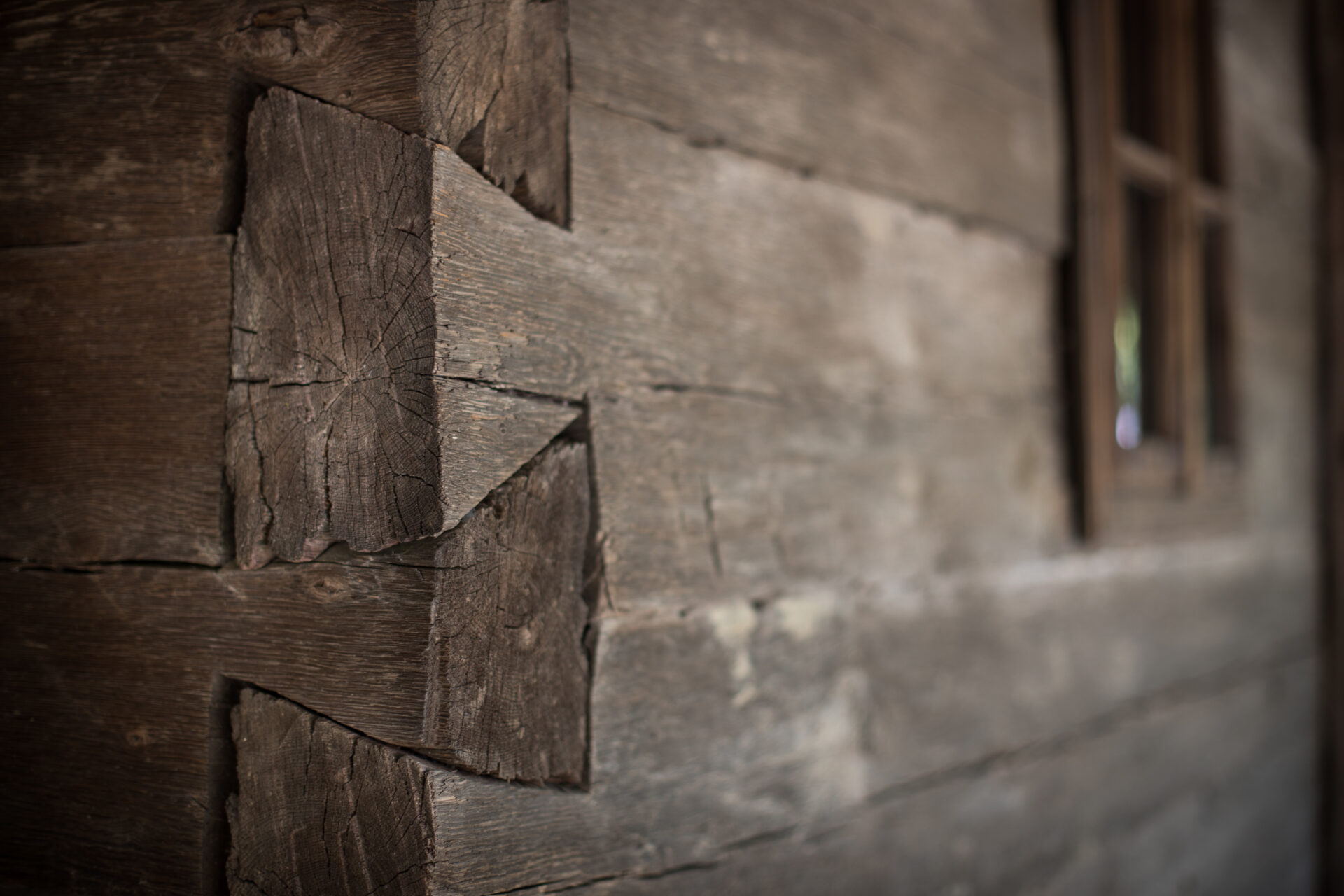
When we think about holding a house together, we usually picture steel screws, heavy bolts, or thousands of nails driven into wood. But for centuries, Japanese master carpenters have been building massive wooden structures without a single piece of metal hardware. Joinery is the art of interlocking pieces of wood using precise, geometric cuts, such as dovetails and mortise-and-tenon joints. It is a craft in which wood serves both as the structure and the fastener.
Precision Geometry at Work
Joinery takes standard woodworking and turns it into a high-stakes puzzle. Take a classic mortise-and-tenon joint, for example. One piece of wood gets a square hole (the mortise), and the other gets a matching peg (the tenon).
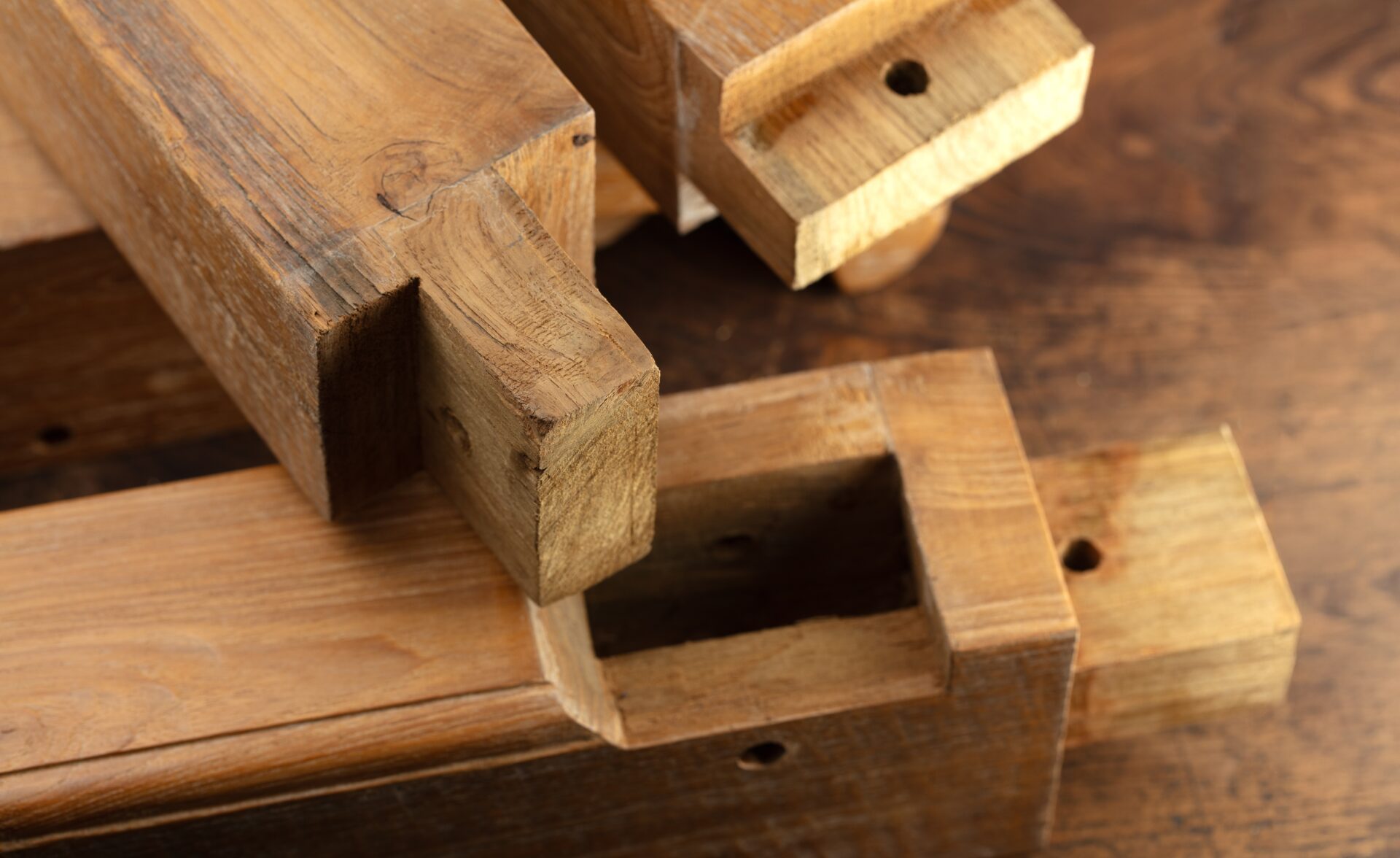
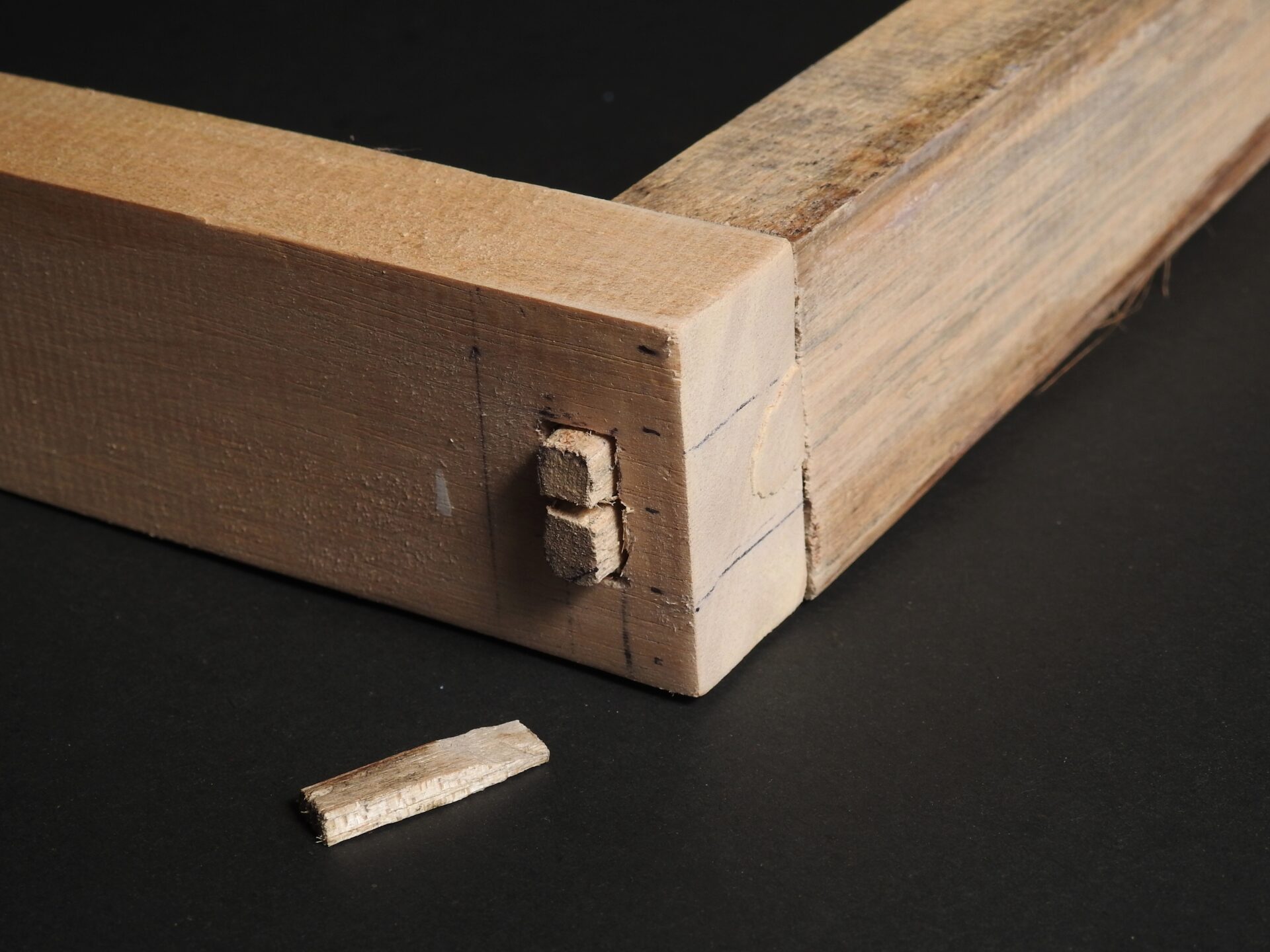
If the peg is too big by even half a millimeter, the wood splits when you tap it in. If it is too small, the joint wobbles and fails under load. Craftsmen use sharp hand chisels and saws to create friction fits so exact that air squeezes out when the pieces slide together. The wood fibers essentially lock hands, creating a bond as strong as a solid beam.
Built to Flex in an Earthquake
This intricate fitting process is not just for looks. It actually acts as an ingenious engineering system. Japan sits on active fault lines, and traditional wooden temples built with complex joinery have survived centuries of violent earthquakes.
Advertisement
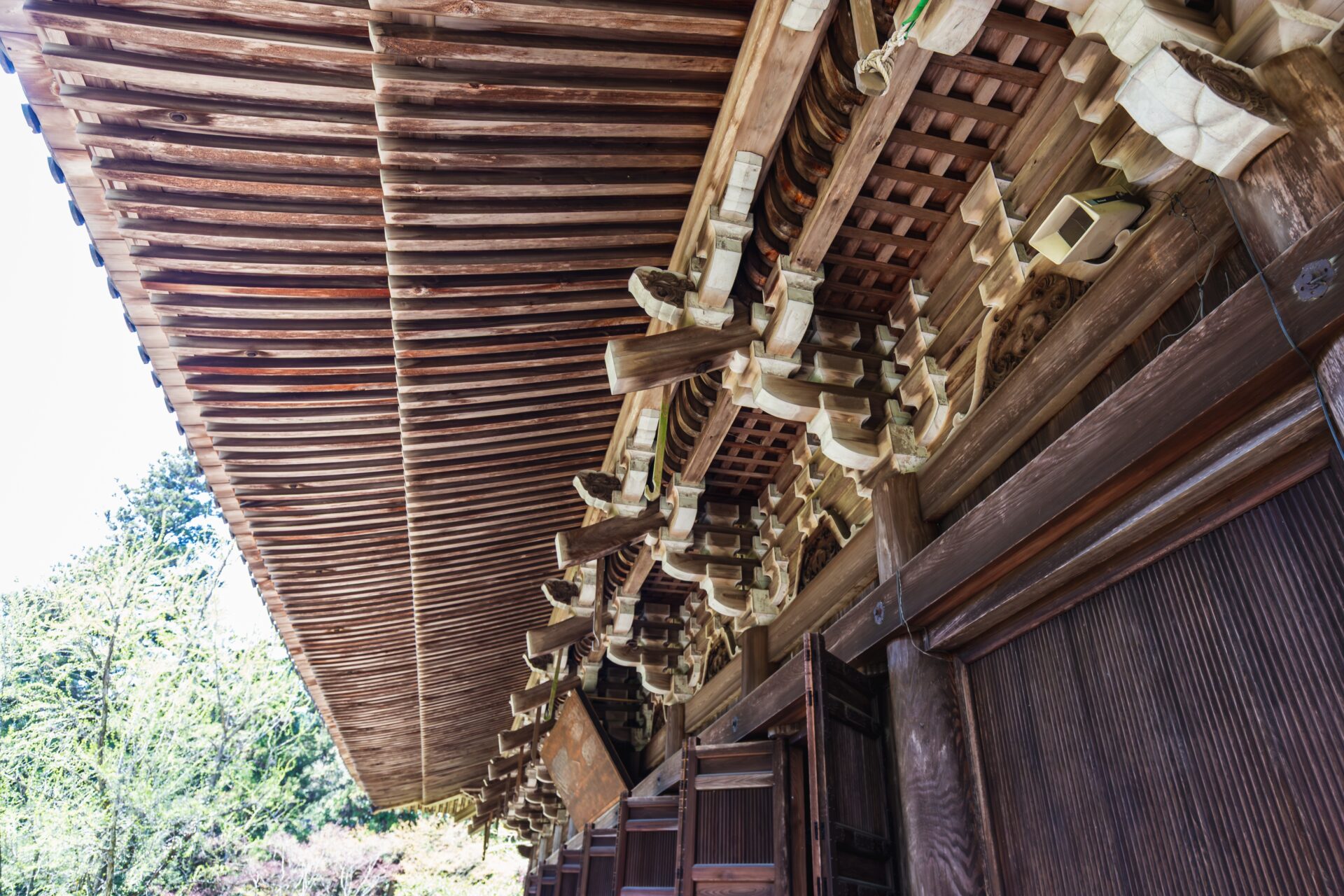
Rigid metal nails can snap or tear through wood under sudden lateral stress. Interlocking wooden joints, on the other hand, have micro-gaps that allow the structure to sway, absorb shock, and settle back into place without breaking. The wood acts as a natural shock absorber, dissipating energy through friction during a storm or tremor.
The Ultimate Sustainable Design
Beyond seismic safety, joinery is a masterclass in long-term sustainability. Metal fasteners rust over time, degrading the surrounding wood. By keeping metal out of the equation, joined timber can last for hundreds of years.
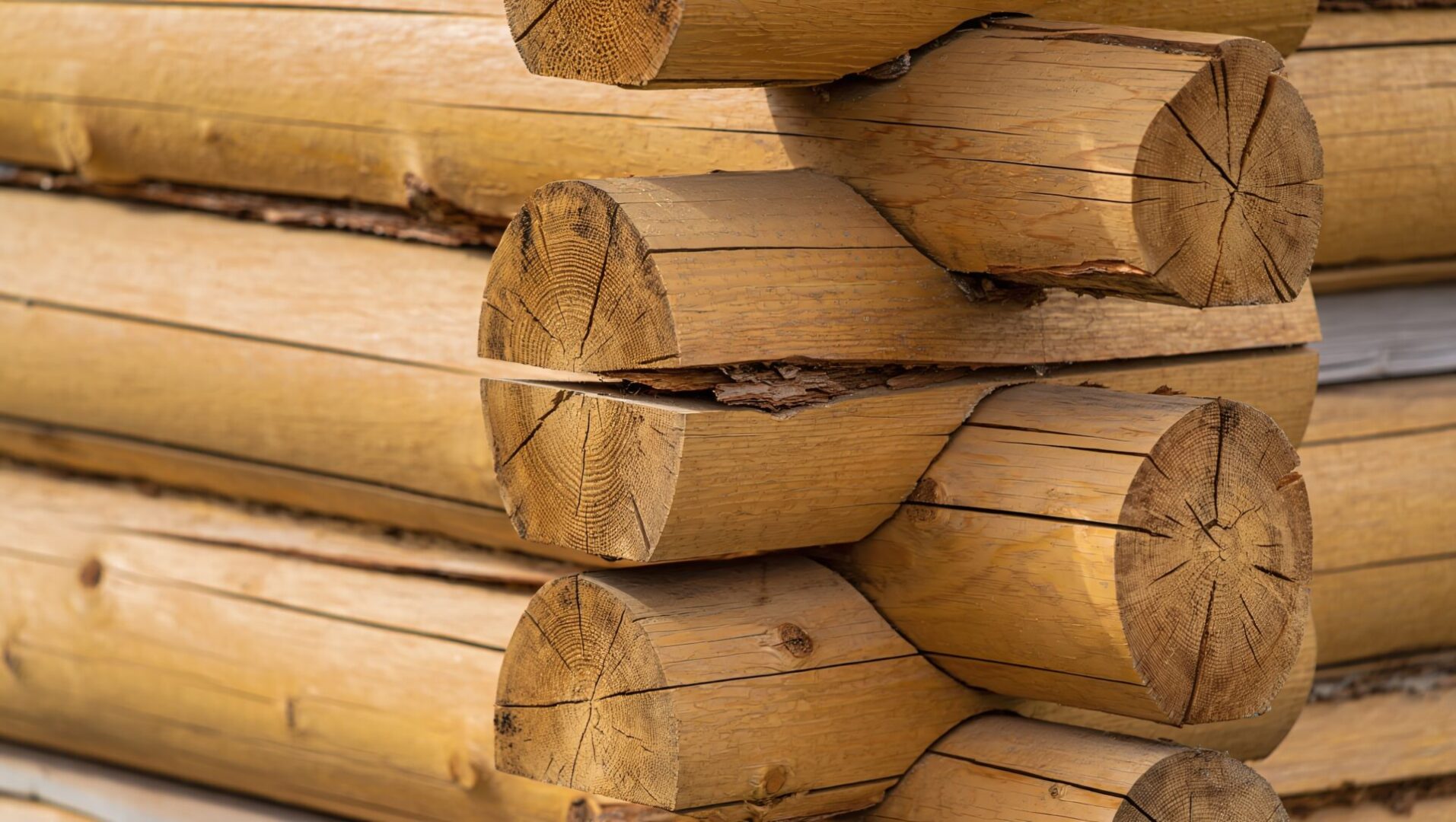
Even better, if a specific beam eventually rots or breaks, a carpenter can slide the interlocking joint apart, replace the single damaged piece, and lock the building back together. It is modular construction at its finest.
For a closer look at how traditional joints connect without metal fasteners, check out this video on a few of the incredible Japanese joinery techniques. It demonstrates the remarkable mechanical principles and resilience hidden inside complex woodworking.
 Read Exclusive Stories
 Bookmark & Save Articles For Later