Most sculptures are designed to stand still. They sit in museums, galleries, parks, and public squares. Visitors come to admire them, take photos, and move on. But some artists have chosen a very different setting for their work.
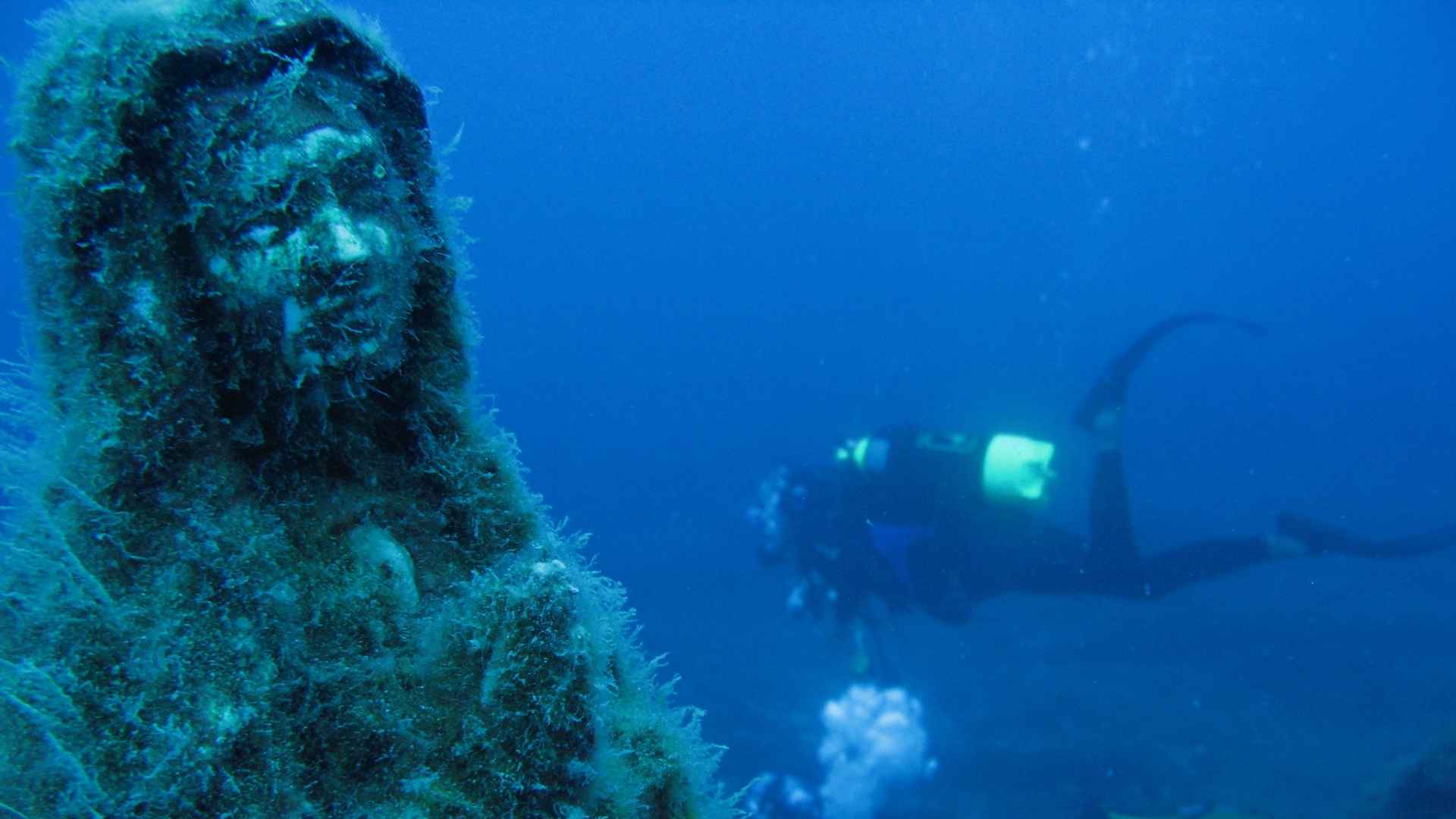
Instead of placing sculptures on land, they place them beneath the ocean’s surface, where fish, coral, and marine life gradually become part of the artwork itself. These underwater sculpture parks can be found in locations around the world. What begins as a carefully crafted sculpture eventually changes as nature leaves its mark. Over time, the artwork evolves into something the artist could never fully predict.
A New Kind of Canvas
Creating art underwater requires artists to think differently. A traditional sculptor might focus on how a piece will look under gallery lighting. An underwater artist must consider ocean currents, sunlight filtering through the water, and how marine life may interact with the sculpture over time. The ocean becomes part of the creative process.
Some sculptures are designed to resemble people standing together, walking, or gathering in groups. Others take the form of houses, faces, or abstract shapes. No matter the design, the goal is often the same: to create something visually meaningful while allowing nature to collaborate. Unlike a painting that remains unchanged on a wall, these sculptures are constantly evolving.
Advertisement
Creativity That Continues to Grow
One of the most well-known artists in this field is British sculptor Jason deCaires Taylor. His underwater installations have been placed in locations including Mexico, the Caribbean, and Europe. His work is made from marine-safe materials that encourage coral growth and provide shelter for marine life.
What’s remarkable is that the finished sculpture is only the beginning of the story. As months and years pass, coral attaches to the surface. Fish swim through openings. Marine plants begin to grow. Eventually, the artwork becomes part of the underwater environment. In a sense, nature becomes a co-artist. The original vision remains, but the ocean adds new layers that no person could design alone.
The Power of Creative Thinking
Underwater sculpture parks show that art doesn’t have to exist inside a frame or behind museum walls. Creativity can appear in unexpected places. It can adapt, change, and grow over time.
These projects also show how artists often see possibilities where others see limitations. Most people look at the ocean and see water. Artists see space for expression, imagination, and storytelling. That’s what makes this form of art so inspiring. It encourages us to think beyond traditional boundaries and imagine new ways of creating. Some of the most interesting works of art are not the ones that stay exactly the same.
 Read Exclusive Stories
 Bookmark & Save Articles For Later