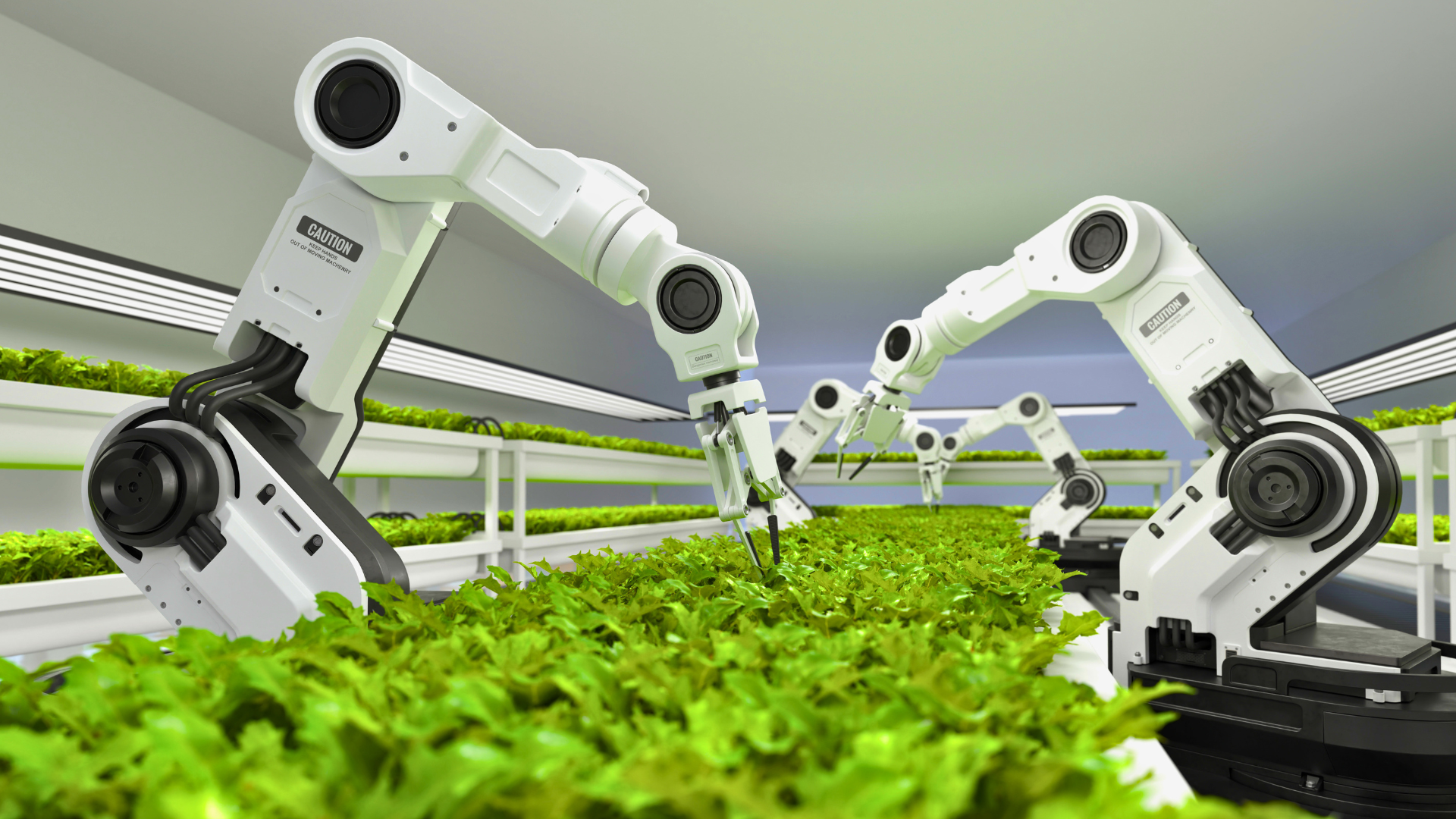
A Summer Classic with a Big Waste Problem
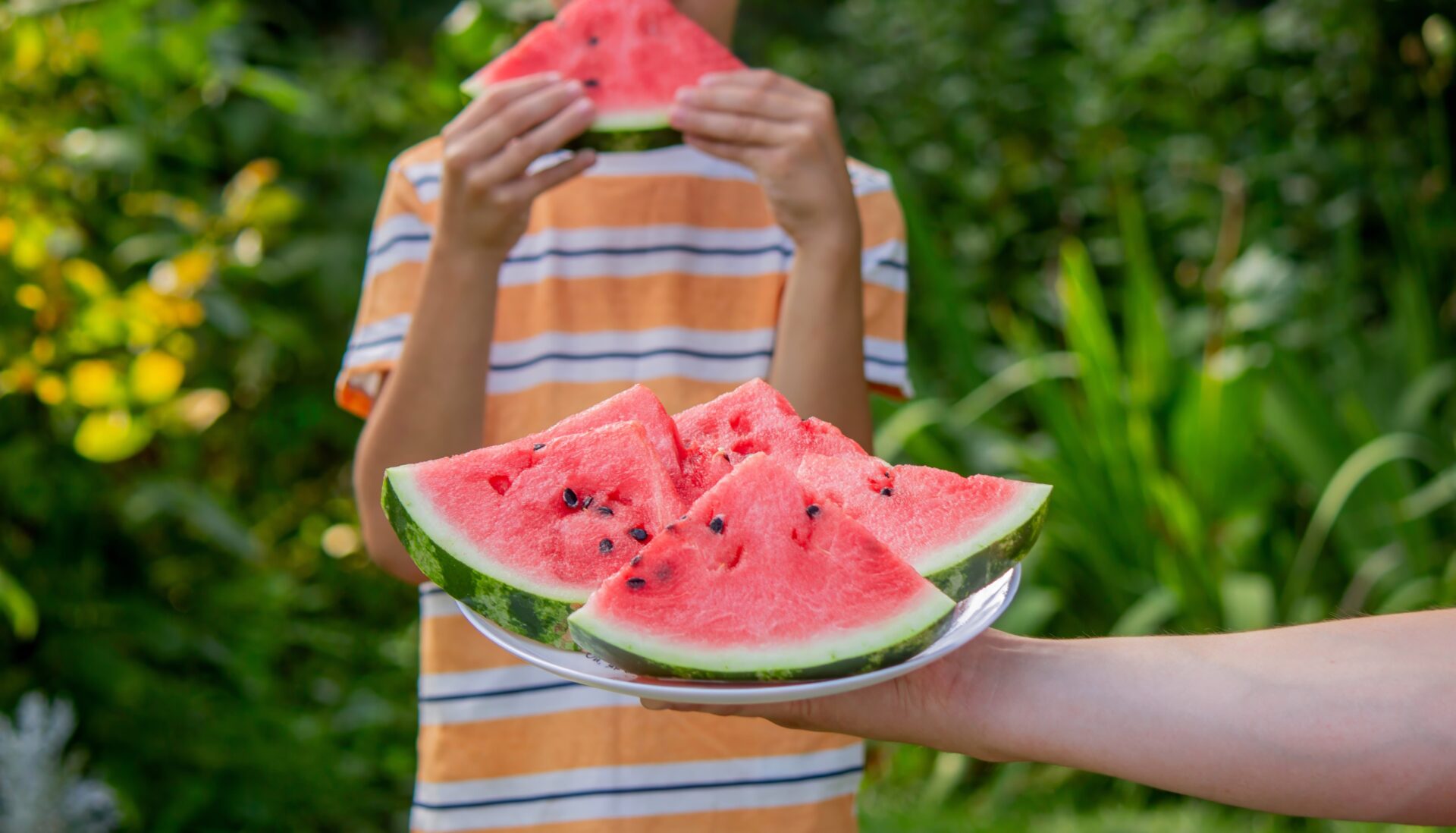
August 3rd marks National Watermelon Day. Millions of people beat the summer heat with a cold, refreshing slice. Watermelon tastes great and keeps us hydrated. However, this favorite summer fruit creates a massive amount of agricultural waste every single year.
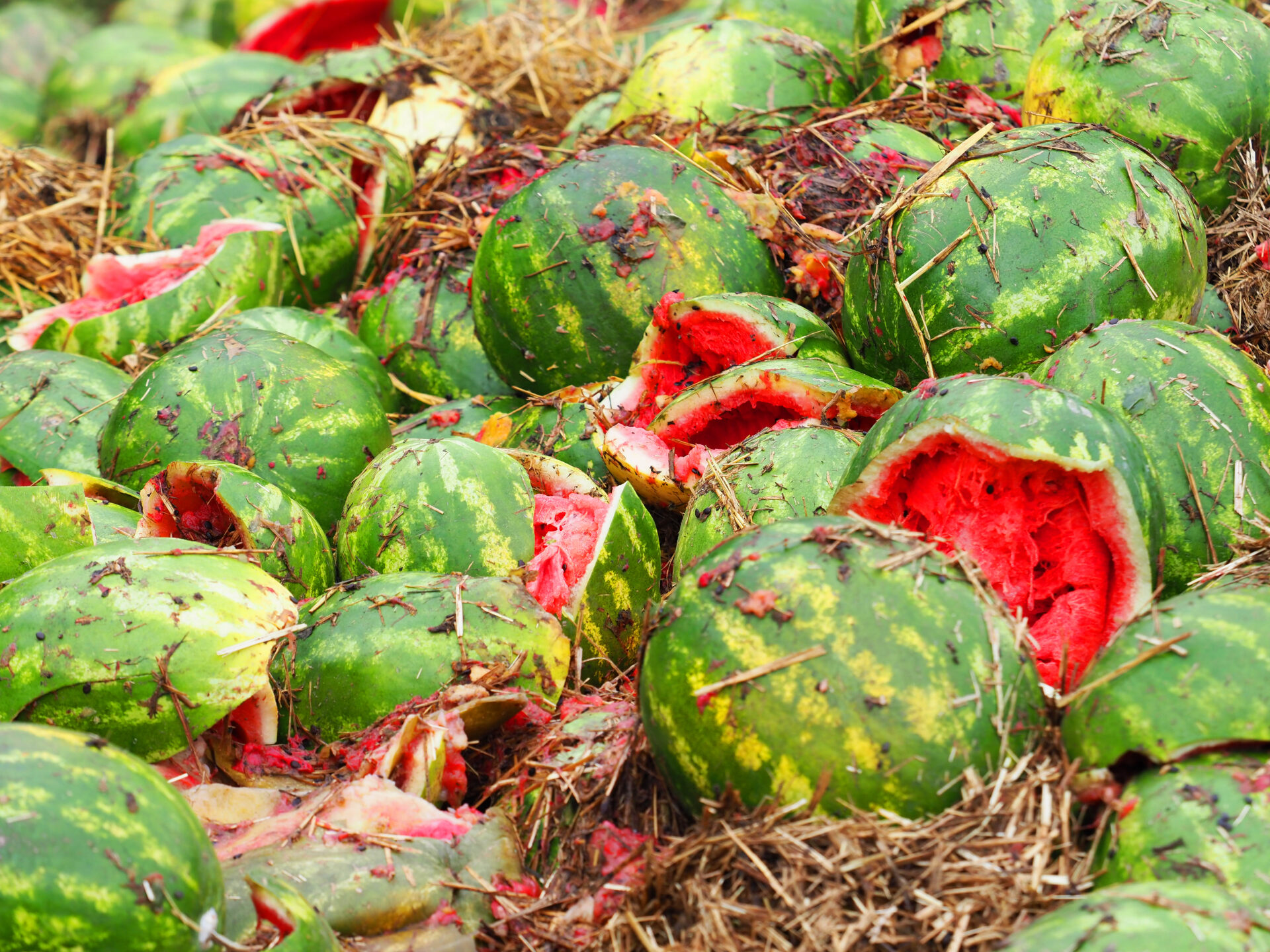
Farmers often leave millions of pounds of unsellable watermelons in fields to rot. In fact, only about twenty-five percent of grown watermelons actually reach grocery store shelves. The rest ends up as crop waste or landfill trash. That waste costs farmers money and hurts our local environments.
Smart Tech in the Watermelon Patch
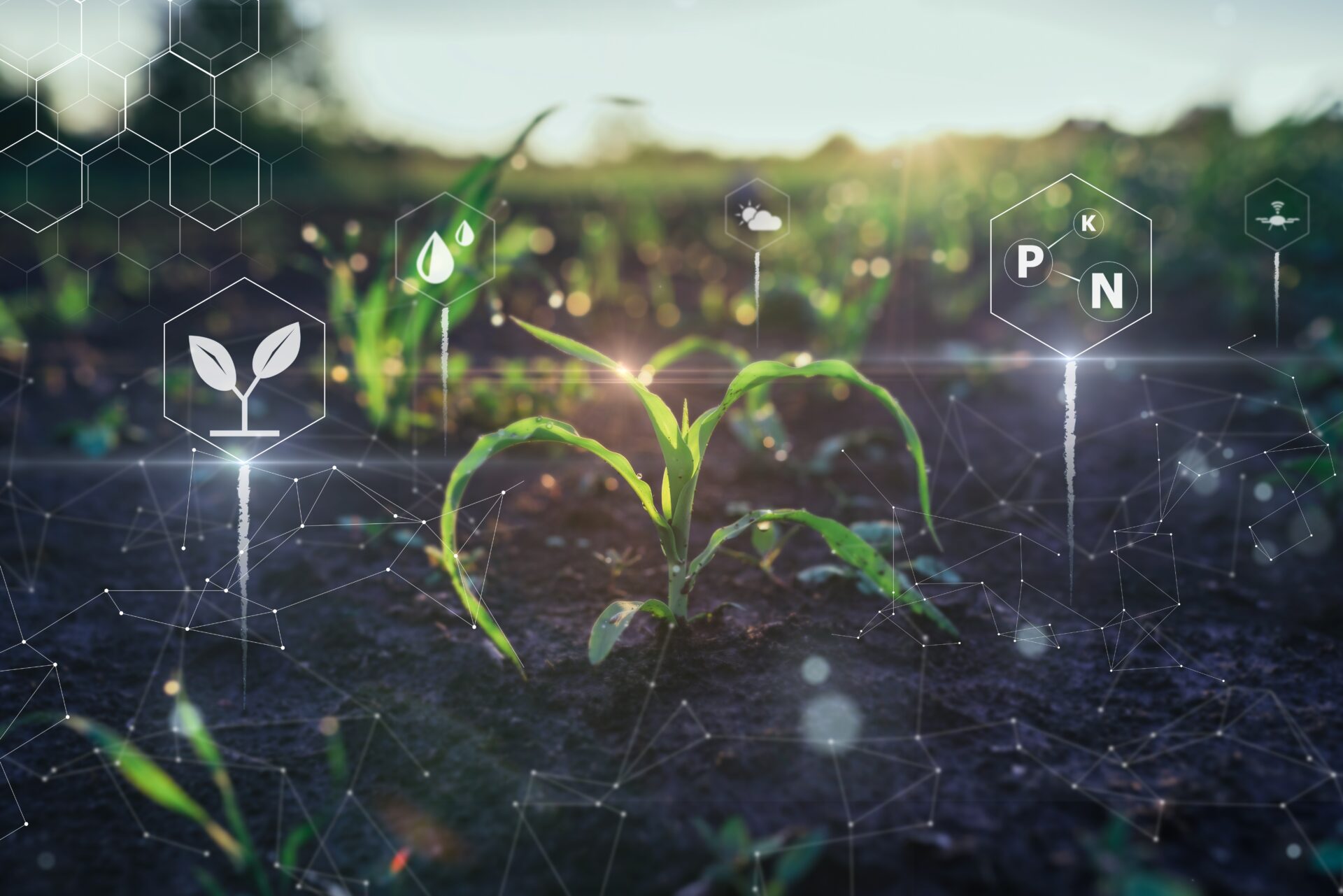
Growing watermelons requires a huge amount of water, fertilizer, and land. Modern technology helps farmers grow more food while using far fewer natural resources. Precision agriculture uses smart sensors placed directly in the field soil. These soil sensors track moisture levels and nutrient needs in real time.
Advertisement
Smart drip irrigation systems deliver water and nutrients directly to plant roots. That targeted delivery cuts water loss from evaporation and soil runoff. AI camera systems on farm equipment scan crops for weeds and insect pests. Farmers apply treatments only where needed, which reduces chemical use across the entire farm.
Gene Editing for Hardier Crops
Biotechnology plays another vital role in the future of sustainable farming. Scientists at research centers like the Boyce Thompson Institute map watermelon genetics. They study plant genomes to find natural defenses against common diseases and harsh heat.
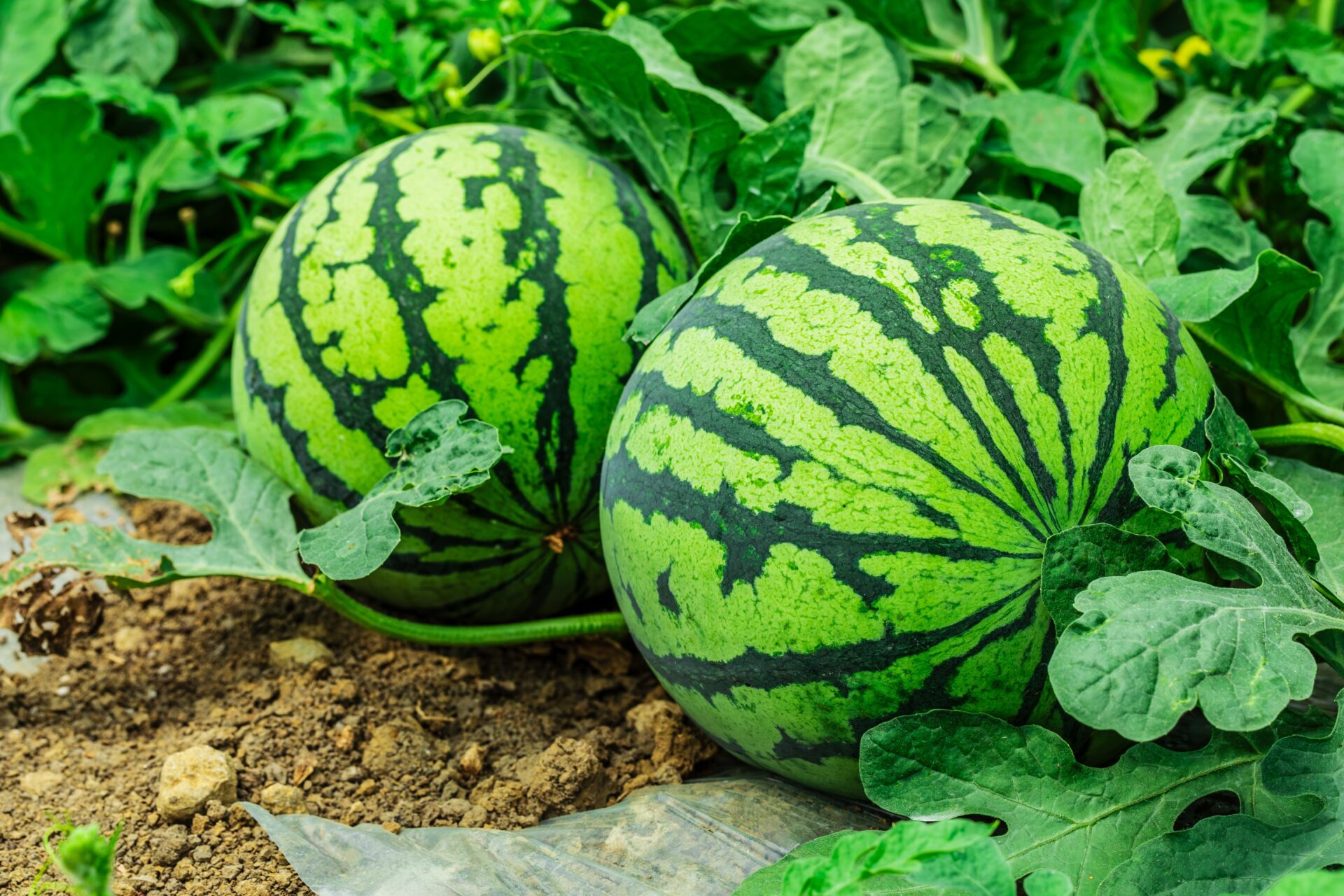
Gene-editing tools like CRISPR help scientists develop disease-resistant plant varieties faster than traditional breeding methods. These stronger plants survive extreme weather and drought conditions. That means higher harvest yields, less spoiled fruit, and more stable food supplies for growing populations.
The Sweet Future of Sustainable Agriculture
Watermelons show us how low-tech produce connects to high-tech innovation. Sustainable farming requires creative ideas across every single stage of creation and production. Next time you enjoy a cold slice on August 3rd, remember the technology working behind the scenes.
 Read Exclusive Stories
 Bookmark & Save Articles For Later