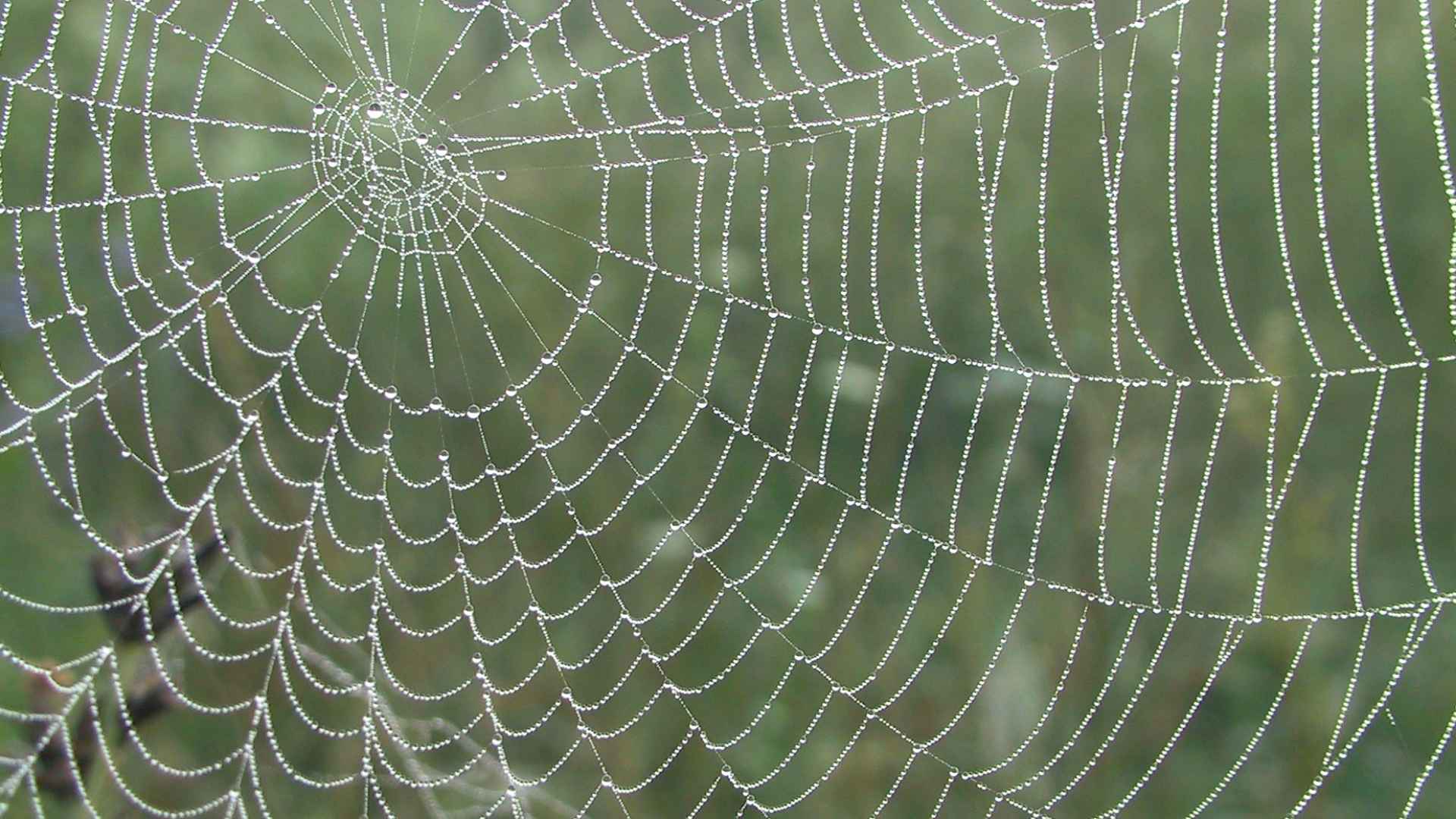
Thousands of years ago, Roman soldiers fighting on the battlefield kept a strange first-aid tool in their medical kits: spider webs. If a soldier got sliced by a sword, the medic would pack the open wound with cobwebs. It sounds gross and unsanitary. But interestingly enough, the ancient trick actually worked to stop bleeding and prevent infections.
Today, we know why. Spider silk is not just an impressive structural material. It is also completely biocompatible. This means the human body does not reject it as a foreign object. Real spider silk is rich in natural proteins that help blood clot quickly, and it naturally holds onto moisture, which keeps skin cells alive while they repair themselves.
The Problem with Harvesting Spiders
For decades, scientists have sought to use spider silk to develop advanced medical bandages and sutures. Here is the problem: you cannot farm spiders like you farm silkworms. Spiders are intensely territorial and predatory. If you put thousands of them into a tight space together, they will just fight and eat each other.
To get around this roadblock, researchers had to get creative with biotechnology. A company called Kraig Biocraft Laboratories figured out a way to take the silk-making genes from spiders and splice them into regular silkworms. These modified silkworms can spin composite silk that mimics the strength and flexibility of a spider’s web, and they can do it on a massive commercial scale.
Other scientists are using genetically altered bacteria in fermentation tanks to brew pure spider silk proteins from scratch.
Advertisement
Bandages That Dissolve on Purpose
Now, bioengineers are using this factory-grown silk to create a new generation of medical materials. Because the silk is incredibly strong and stretchy, it can be woven into surgical meshes, artificial tendons, and advanced bandages.
When you use a standard plastic or cloth bandage on a severe burn, peeling it off can tear away the new, fragile skin growing beneath it. But a synthetic spider silk bandage is completely biodegradable. A doctor can place it over a wound, and it will safely dissolve into simple amino acids over a few weeks. The body simply absorbs the proteins as fuel while the new skin grows right through the mesh.
High Costs and Scaling Up
But we are not seeing these bandages in local pharmacies just yet. Culturing bacteria or managing genetically modified silkworms is a highly precise, expensive process. Right now, manufacturing synthetic spider silk costs way more than producing standard cotton or nylon medical supplies.
Because of the high price tag, the tech is currently reserved for high-end surgeries and specialized wound care. But as production methods improve, spider silk could eventually become a standard tool in every ambulance and hospital. It is a reminder that sometimes the future of medicine is hanging in the corner of a room, waiting for us to figure out how to build it.
 Read Exclusive Stories
 Bookmark & Save Articles For Later