Many people view cities as places far from nature and not very sustainable. However, in this interview with urban naturalist and artist Gabriel Willow, you will learn how to improve your biodiversity within cities, even in places like New York. We discuss his work to connect people with urban nature and the benefits of doing so.
Willow shares how going beyond a love of nature into curiosity can help people appreciate the urban wildlife around them, and how tools like iNaturalist and birding apps have enabled him to connect with others engaged in this work. As an artist, Willow also used his skills to further complement his biology-based work.
People in other parts of the world are pursuing various forms of conservation, such as building eco-lodges that combine art and science in areas like cloud forests, where biodiversity is rich and vital to protect. Gabriel Willow shares more about his experiences with urban naturalism and how people can better engage with the biodiversity on their doorstep.
Growing up in rural environments, many people eventually choose to live in cities like New York, where access to nature is more sustainable. Understanding biodiversity in cities involves recognizing the value of insects, trees, birds of prey such as peregrine falcons, and many mammals that live in cities. There is also the educational purpose of connecting these dots, such as how people in cities have less dependence on lawn pesticides and cars. This green access can be better for public health equity.
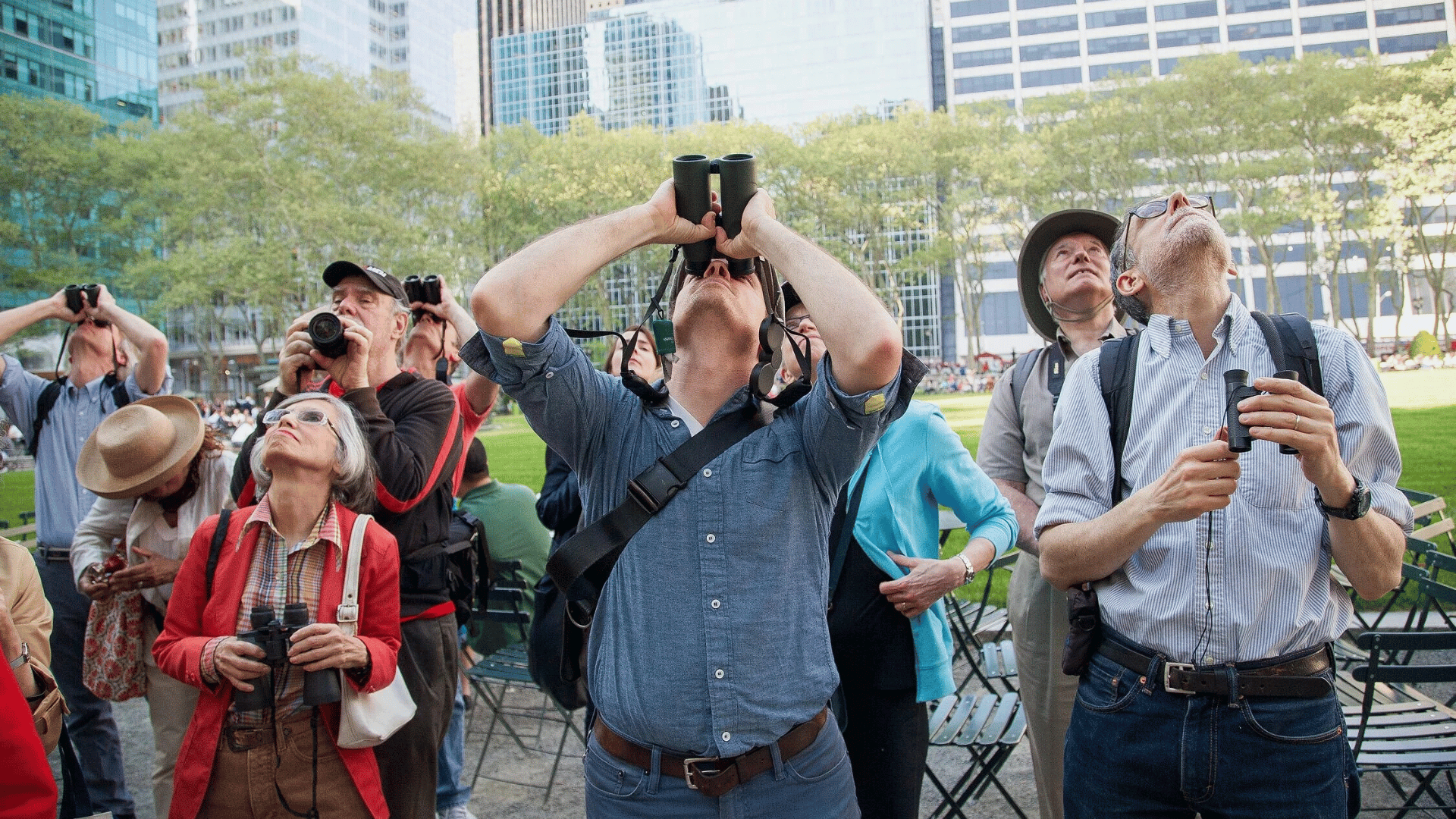
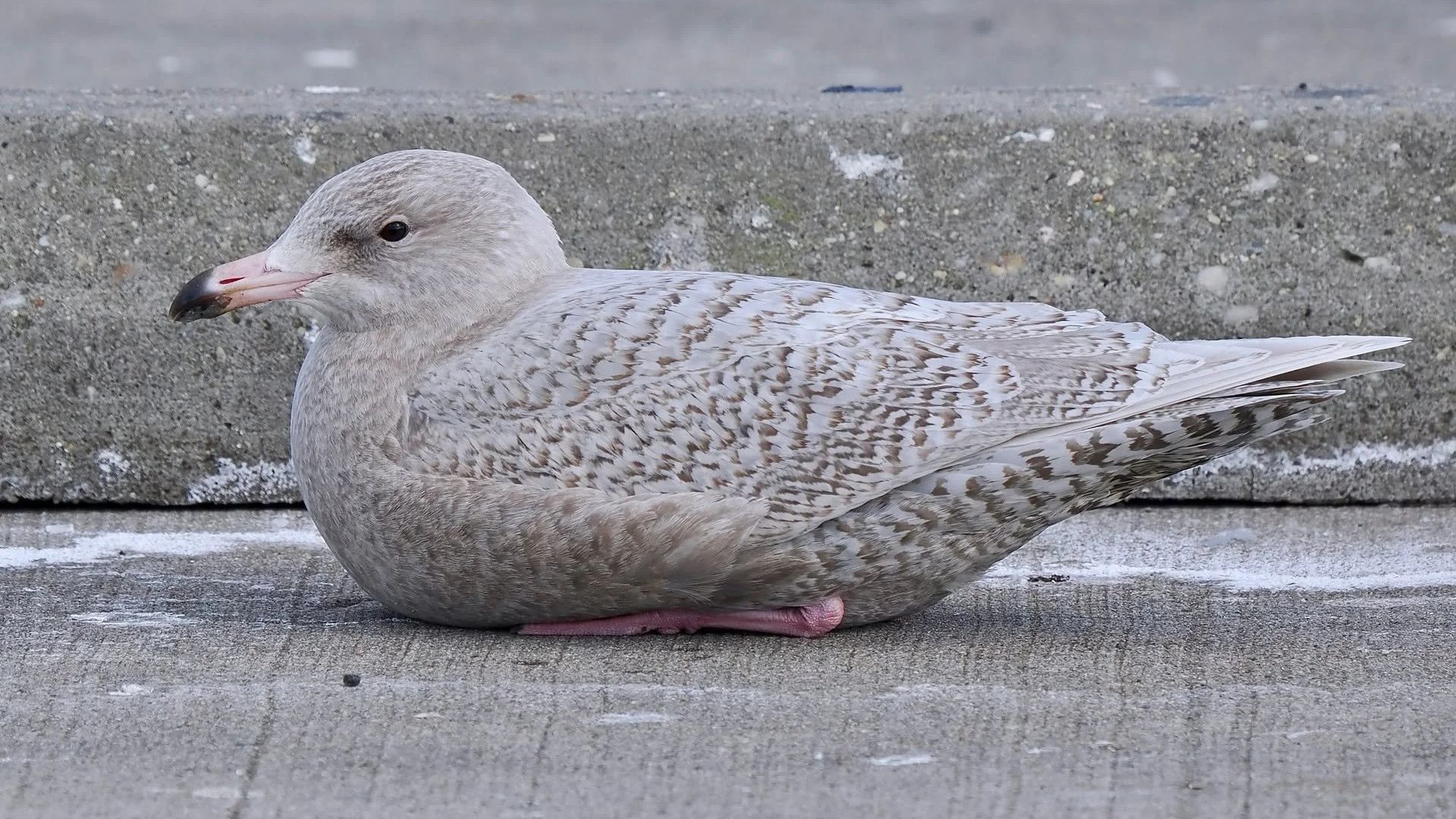
The connection to nature can be a curiosity, where one looks up to see the sandhill cranes or checks the trees for edibles, medicinal plants, or healthy soil. Drawing on his experiences with urban naturalism, Willow shares how many species you can find in a city park, even in a rooftop garden in downtown Brooklyn. There are 85 bird species in Brooklyn, including bald eagles and migratory birds that people might never expect to see. However, there is also the amusing side of nature when you see pigeons flying with bread necklaces or the distribution of wildlife throughout cities.
Advertisement
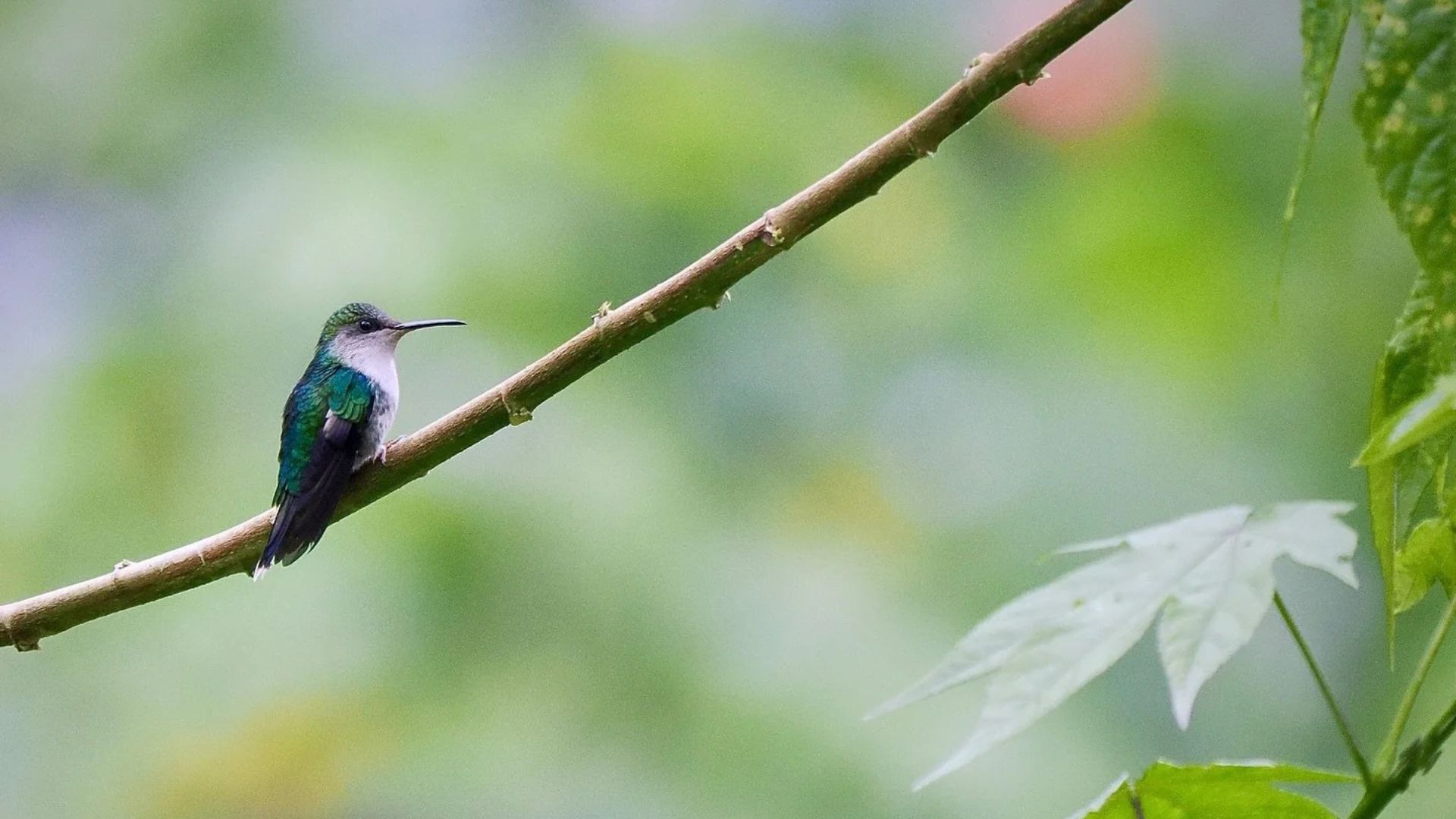
The most common is probably birds, but tools exist to identify several types of animals. The New York City location is on the Atlantic Flyway, giving them access to a wide range of migratory wildlife. Those who are curious should look for apps like iNaturalist to find species around them and learn more about their environment and how to be stewards for its protection.
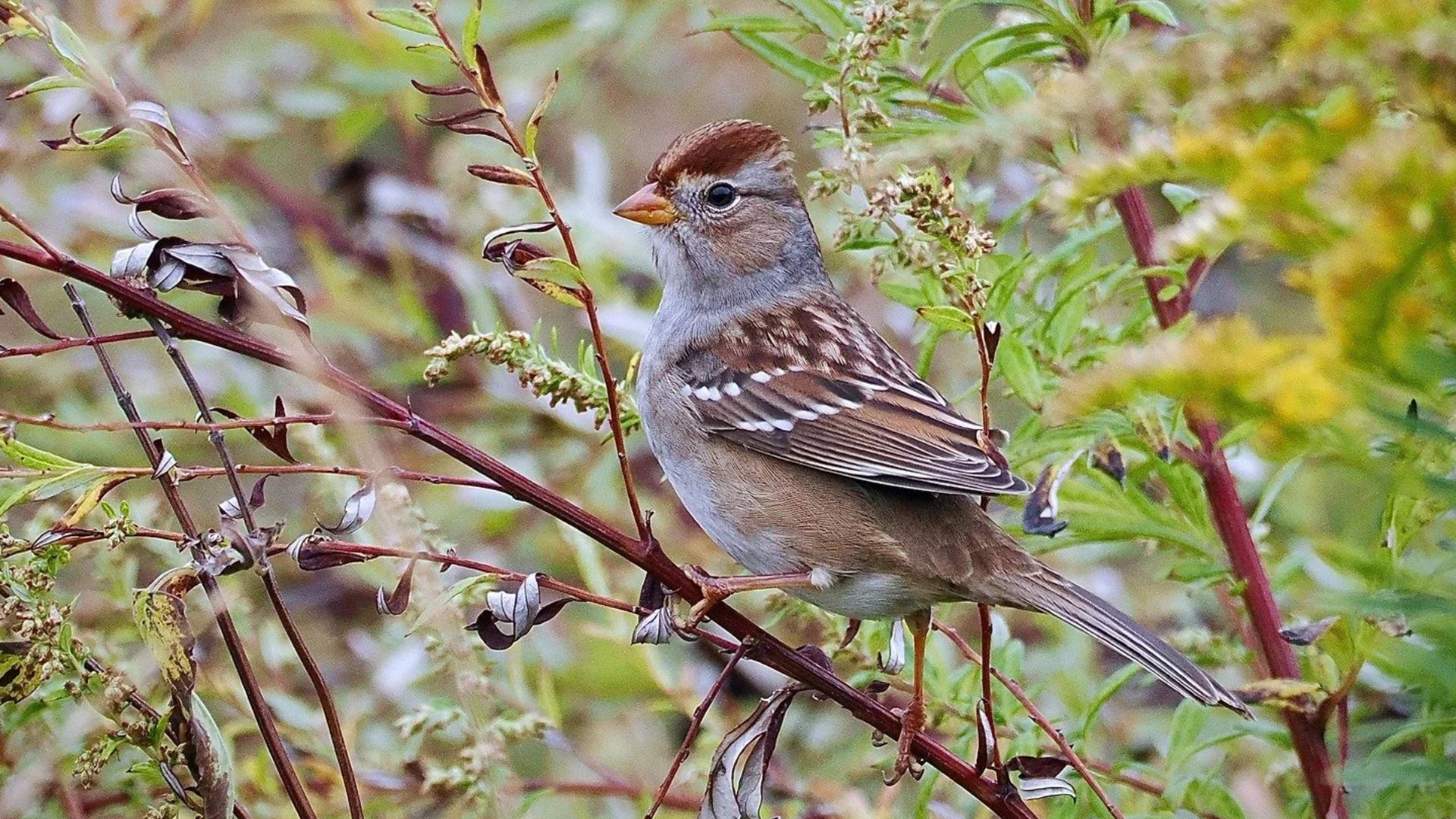
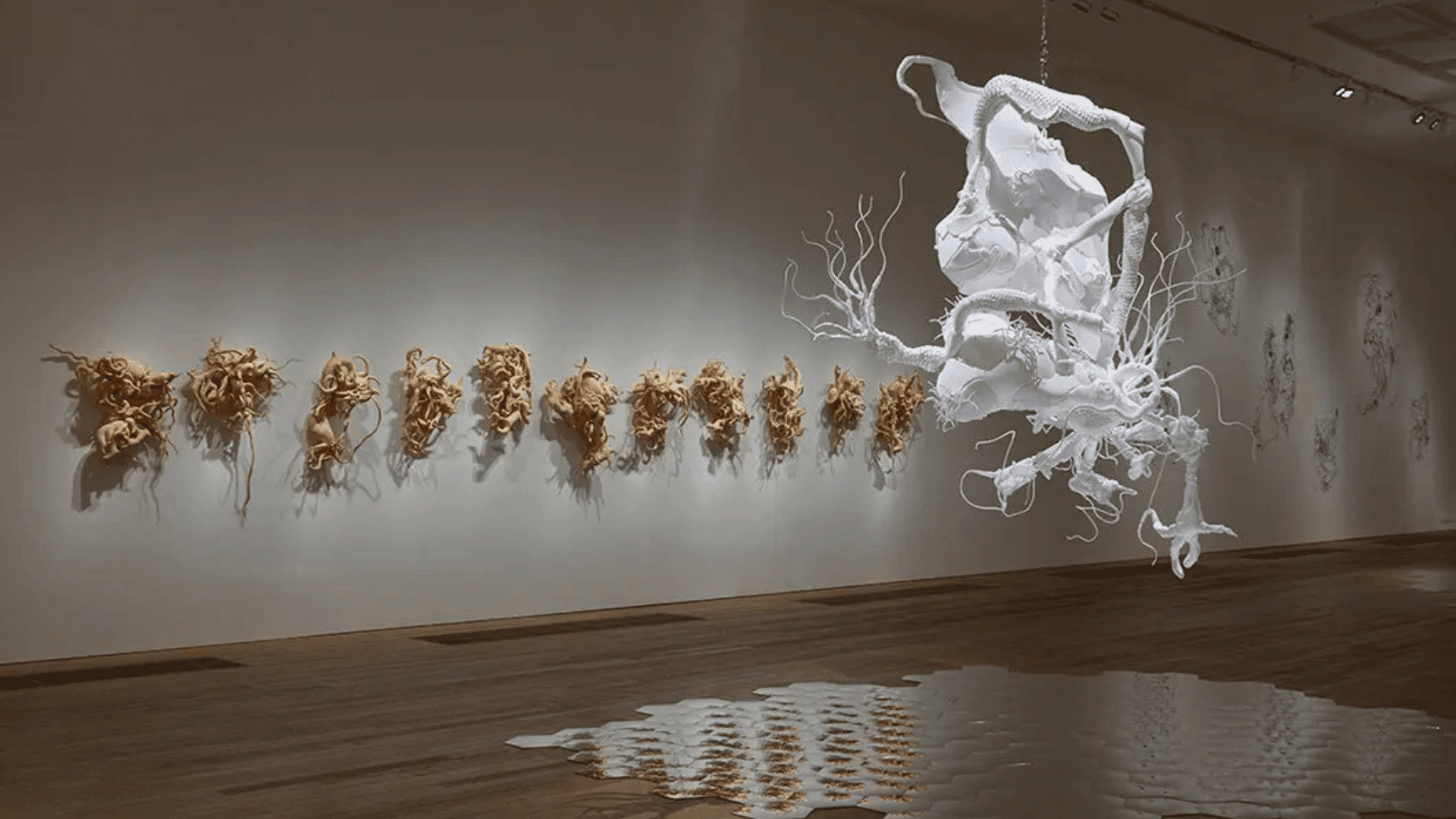
Many people use art to express what they know from observing animals in their vicinity. For example, in the series Ecolegiac, Willow beautifully draws extinct animals like the passenger pigeon and great auk to speculate on what they would have been adapted to cities if they had survived. Art also allows people to think about a fusion with science, leading to eco-lodges in cloud forest areas that consider species biodiversity hotspots worldwide. One of the most rewarding things anyone can receive is hearing people report back on what your work has inspired or changed in their career paths. However, connecting people to nature also allows for more appreciation of green space design and better lighting for wildlife all around us.
The most important step for people is just stepping outside to appreciate the nature around them, and using technology or walking tours to help give context and emotional value to those who have not connected with nature previously.